

Wholesale GS-441524 Tablets: Key Considerations for Reliable Sourcing
2026-10-29
Sourcing GS-441524 tablets in bulk feels like navigating a minefield of counterfeit promises and inflated claims. If you're tired of chasing unreliable suppliers who vanish after the first payment, you're not alone. The real challenge isn't just finding a vendor—it's finding one that treats purity, stability, and transparency as non-negotiable. At Lucpets, we've watched too many buyers settle for 'good enough' only to face inconsistent batches or missing certificates. This guide cuts through the noise, breaking down the practical considerations that separate dependable wholesale partners from costly risks—so you can source with confidence, not crossed fingers.
Why Lab Verification Should Be Your First Stop
Relying on supplier claims or marketing brochures when sourcing electronic components is like trusting a weather forecast from a stranger. Lab verification removes that guesswork. Instead of hoping a batch of capacitors really meets its datasheet specs, you get hard data from controlled testing—actual capacitance, ESR, leakage current, and thermal behavior under load. That kind of evidence turns a risky procurement decision into a straightforward one.
The real value shows up when you catch issues before they metastasize. A counterfeit IC might pass a visual check but fail under frequency response analysis. A batch of resistors could drift beyond tolerance at elevated temperatures. By making lab verification your first stop, you avoid the cascading costs of field failures, rework, and damaged reputation. It is far cheaper to reject a component in the lab than to recall a product from the market.
Think of it as a gatekeeper step that also buys you time. While the lab runs its tests—electrical, environmental, and sometimes destructive—you are not idling; you are building a shortlist of approved parts with documented performance. That documentation becomes your shield in supplier disputes and your proof for quality audits. In short, lab verification is not an extra expense; it is the cheapest insurance you can buy for your design's integrity.
Decoding Purity Percentages on Wholesale Spec Sheets
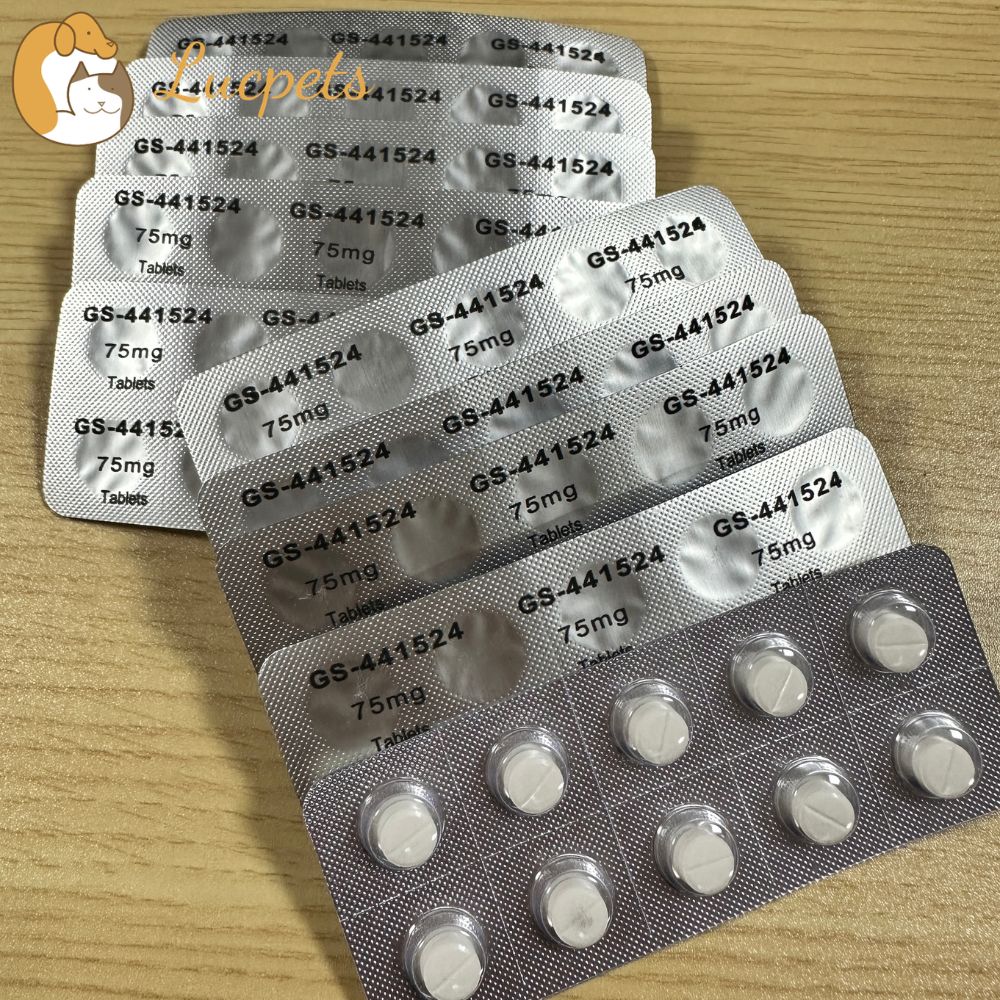
A purity percentage on a wholesale spec sheet rarely tells the whole story. When a supplier lists a material as 98% pure, that number often comes from a single analytical method—usually HPLC area percent—which only counts peaks that absorb at a particular wavelength. Impurities without chromophores, residual solvents, moisture, or inorganic salts can slip through unnoticed. Before comparing two suppliers, ask whether the figure is area normalization, an external standard calculation, or a dry-weight basis. These details change what the percentage actually represents.
Even when the headline number looks strong, it can hide meaningful batch-to-batch variation. Two lots of the same extract might both read 95% on paper, yet one carries higher heavy metals, pesticide residues, or microbial load because those parameters are tested separately—or not at all. A complete certificate of analysis should break down not just the main active, but also related compounds, loss on drying, ash content, and any residual solvents. If the COA lists only the purity percentage and skips these sections, treat that as a red flag.
Smart buyers also verify the number against their own incoming QC, because lab conditions, column types, and reference standards vary. A 99% claim from an overseas supplier may drop to 96% when tested with a more rigorous method in your own lab. Rather than fixating on a single percentage, set a specification range for the active, define which impurities are deal-breakers, and require the exact test method on every COA. That turns a vague purity claim into a workable quality gate.
Bulk Pricing Traps That Undercut Long-Term Savings
The appeal of a lower per-unit cost is hard to ignore, but bulk pricing often quietly rewires your buying habits. You walk in for a single bottle of shampoo and walk out with a gallon jug, convinced you've beaten the system. Yet that jug sits half-used in the closet for a year while you get bored and try a new brand anyway. The trap isn't the math on the shelf — it's the assumption that your future self will want the same thing in the same quantity. More often than not, novelty wins, and the "savings" end up draining away with every unused ounce.
There's also the silent weight of storage and spoilage. A pantry stuffed with twelve boxes of pasta feels like security until you discover weevils in the back corner. The cost of the space itself — whether it's a shelf in a small apartment or a corner of a garage — never appears on the receipt, but it adds up. For perishables or items with a shelf life you can't track, bulk buying turns into a race against time. You end up eating more than you need just to avoid waste, which isn't a financial win; it's a health one lost.
Perhaps the subtlest trap is what bulk buying does to your cash flow and flexibility. Dropping ninety dollars on a case of toilet paper feels responsible until your car needs a new battery the same week. Money tied up in a year's supply of anything can't be redirected when a better opportunity or an emergency shows up. And life changes faster than most consumables run out — a new diet, a move to a smaller place, a sudden preference for unscented detergent. The real long-term saving often comes from buying less, more often, and staying open to what actually serves you now, not what a discount convinced you to stockpile.
Temperature, Humidity, and Expiry: Logistics That Impact Efficacy
A shipment of insulin left a warehouse in Mumbai at 2 a.m., packed with data loggers and enough gel packs to hold 4°C for 48 hours. By the time it reached a clinic in Nairobi, one pallet had spent six hours at 11°C, and another sat in direct sun during a tarmac delay. The difference between a usable dose and a costly write-off wasn't the cold chain spec on paper—it was how tightly the logistics team tracked deviations in real time.
Humidity rarely gets the same attention as temperature, but it can quietly eat away at packaging, desiccants, and the integrity of blister packs. A container that moves from Singapore's 90% relative humidity to a dry cargo hold without proper sealing will see condensation form on the outer cartons. That moisture doesn't just dampen labels; it can trigger mold, weaken adhesive seals, and push a product toward early failure well before the stamped expiry date.
Expiry then becomes a moving target. Two batches of the same drug can sit on the same shelf, but the one that survived a temperature spike or a humid week in port has aged faster. Smart logistics doesn't just aim to deliver before the printed date. It treats every hour of exposure as part of the product's remaining shelf life—and builds routes, packaging, and handoff checks around that reality.
Import Compliance for Veterinary Compounds: A Practical Checklist
Bringing veterinary compounds across a border feels less like a simple transaction and more like solving a puzzle with moving pieces. Before any shipment leaves the warehouse, you need to confirm that the product isn't sitting on an import ban list or missing a required permit. Some countries treat even common dewormers as controlled substances if the concentration or intended species isn't clearly documented. A practical first step is to pull the harmonized system code, then cross-check it against the destination's veterinary drug registry and any bilateral trade agreements that might override standard rules.
Paperwork errors cause more delays than actual regulatory violations. The invoice should list the active ingredient, strength, and target species in plain language—not just a brand name. If the shipment includes compounded preparations, expect additional scrutiny. Many inspectors will ask for a certificate of analysis, a good manufacturing practice statement, or a letter from the prescribing veterinarian. Keep digital copies of all documents, but also include a printed manifest inside the package. Customs officers often work from the physical label first, and a missing lot number can send the whole crate to a holding area.
Finally, build a routine that treats each import as a fresh event rather than a copy of the last one. Regulations shift quietly, and a product that cleared in March might need a new import license by September. Assign one person to monitor official gazettes or trade association alerts, and set a reminder to re-verify the checklist two weeks before each shipment. When in doubt, contact the receiving country's veterinary authority directly. A short email asking for clarification costs far less than a seized pallet or a fine for non-compliance.
Building a Backup Supplier Network Before You Need It
Most companies treat supplier backups like insurance: something you buy after the storm has already hit. The smarter move is to interview secondary vendors while your primary lines are still running smoothly. Ask them to run small pilot orders, not as a threat to your main partner, but as a way to understand their real capacity, lead times, and quality quirks. You'll be surprised how many "backup-ready" suppliers crumble when asked to handle a modest 20% volume spike.
One overlooked approach is to split your risk by category rather than by product. Maybe your current supplier is excellent at machined parts but weak on surface finishing. Cultivate a specialist for that finishing step now, even if they only handle 10% of your orders. That way, when a disruption hits, you're not scrambling to find someone who can do everything; you're simply shifting more volume to a partner who already knows your specs.
Relationships matter more than contracts. A backup supplier who has met your engineers, walked your floor, and solved a minor problem with you is worth ten signed agreements in a drawer. Schedule a low-stakes collaboration once a quarter, perhaps a shared troubleshooting session or a joint material test. These informal ties build the trust you'll need when you have to call at 6 p.m. on a Friday and ask for an emergency shipment.
FAQ
Start with the certificate of analysis and third-party lab results for purity and potency. Confirm the batch number on the report matches the paperwork, and ask for recent heavy metal and residual solvent testing rather than accepting a basic HPLC readout at face value.
It matters more than price. Changes in fillers, binders, or coating can alter how the active ingredient is absorbed. Request real-time and accelerated stability data under different temperature and humidity conditions, and confirm the manufacturer uses the same formulation for every production run.
Yes. Ask for chain-of-custody records from the API manufacturer, including audit reports and import documentation. More importantly, have a random sample from your actual shipment tested by an independent lab you choose, because in-house certificates are easy to photoshop.
Missing batch numbers, expiry dates, or manufacturer contact details are immediate problems. Also watch for cartons that list only a brand name without the active ingredient strength, or that use inconsistent units across the shipment, such as mixing mg and g on different labels.
Compare the same tablet strength, same pack size, and the same Incoterms. Then add the cost of independent testing, payment protection, and the risk of replacing a bad batch. A cheap quote that skips third-party verification usually ends up more expensive.
The agreement should define acceptance criteria for purity, dissolution, and residual solvents. It should also give you the right to reject a batch after independent testing, with a clear replacement or refund process and penalties if the delivered product does not match the approved sample.
If the order volume is significant, yes. A physical audit or a trusted local agent can verify equipment, cleaning procedures, and storage conditions in ways that paperwork cannot. Even a live video walkthrough with batch records visible in real time will filter out many fake intermediaries.
Before placing a large order, confirm whether the destination country allows GS-441524 to be imported for veterinary use or research. Check what customs will require, such as a commercial invoice, certificate of origin, and possibly an import permit, because border delays can destroy temperature-sensitive tablets.
Conclusion
Sourcing wholesale GS-441524 tablets isn't just about finding the lowest price per gram. The first order of business should always be independent lab testing. A spec sheet can claim 99% purity, but without a third-party certificate of analysis, you're essentially taking a supplier's word for it. Even when lab results look solid, you have to read between the lines: some manufacturers test raw powder rather than the finished tablet, which can hide binding agents or degradation during compression. On pricing, bulk discounts can be seductive, but a rock-bottom quote often signals substandard excipients, inconsistent dosing, or a batch nearing its expiry date. Those hidden costs surface later as failed treatments or wasted inventory.
Storage and transport conditions are easily overlooked until a shipment arrives with melted blister packs or elevated moisture readings. GS-441524 is sensitive to heat and humidity, so confirm that your supplier uses climate-controlled logistics and provides real expiry data—not just a date stamped on a box. On the import side, veterinary compounds occupy a regulatory gray zone in many countries. Before ordering, verify the exact classification in your destination market, prepare the necessary permits, and have a customs broker familiar with animal health products. Finally, don't wait until a shipment is seized or a batch fails testing to start looking for alternatives. Cultivating two or three vetted suppliers—each with distinct manufacturing sites—gives you leverage and a safety net when one link breaks.
Contact Us
Contact Person: Aaron
Email: [email protected]
Tel/WhatsApp: +86 18177165140
Website: https://www.lucpetsglobal.com