
TWEEN Polyoxyethylene Sorbitan Fatty Acid Ester Traders: A Comprehensive Guide for Buyers and Suppliers
2026-03-12
Navigating the complex market of Tweens — polyoxyethylene sorbitan fatty acid esters — can be daunting for both buyers and suppliers. These versatile emulsifiers and surfactants are crucial in industries from pharmaceuticals to food processing, yet finding reliable partners and understanding market dynamics often proves challenging. In this comprehensive guide, we aim to demystify the TWEEN trade, offering insights into sourcing strategies, quality considerations, and global trends. Whether you're a seasoned buyer seeking competitive pricing or a supplier looking to expand your reach, you'll find actionable advice tailored to your needs. Discover how POLYKEM leverages decades of expertise to connect stakeholders with trusted solutions, ensuring transparency and efficiency in every transaction. Dive in to explore the essential knowledge that can transform your approach to this critical market.
Understanding TWEEN Polyoxyethylene Sorbitan Fatty Acid Esters and Their Industrial Applications
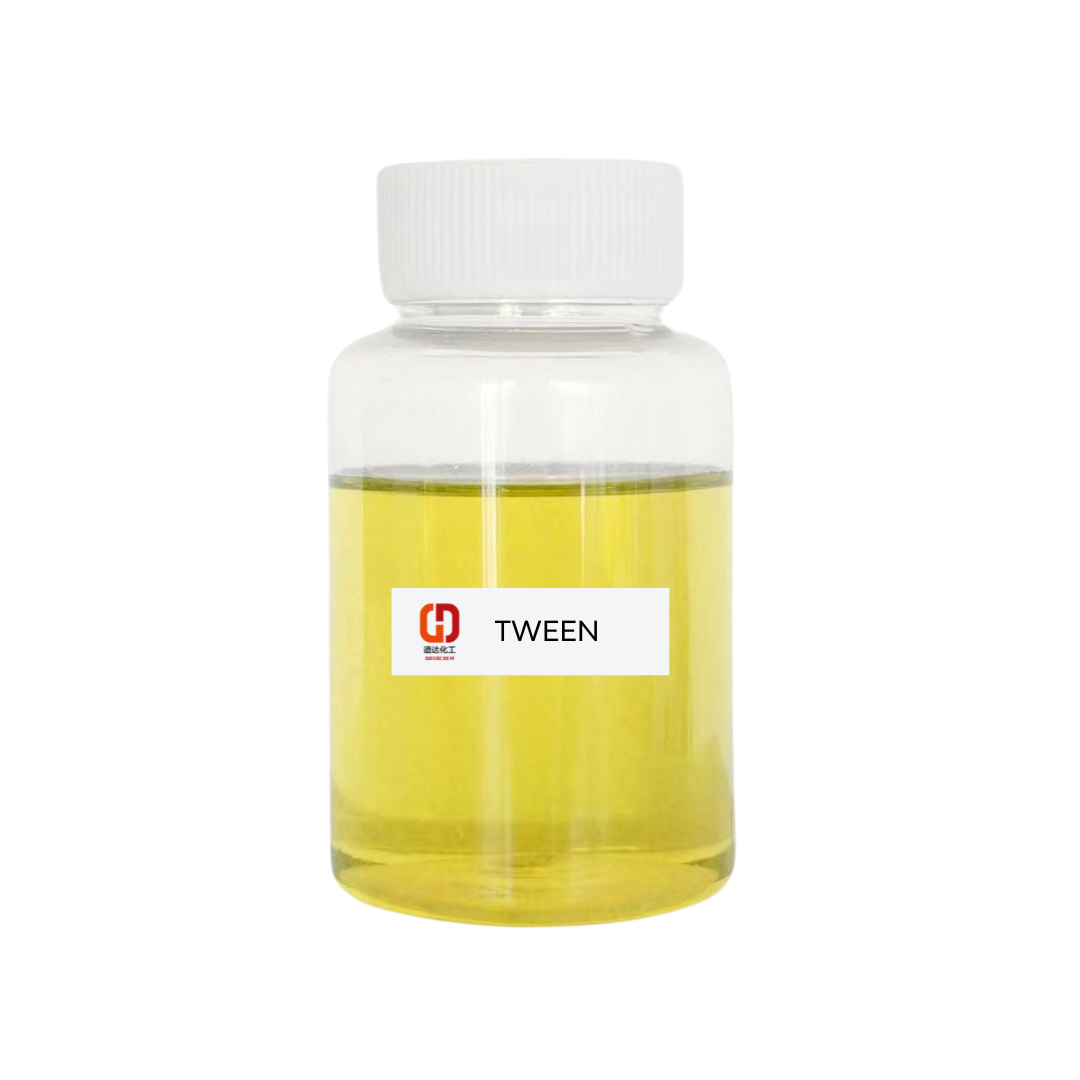
TWEEN polyoxyethylene sorbitan fatty acid esters, commonly known as polysorbates, represent a class of nonionic surfactants derived from the ethoxylation of sorbitan esters. These versatile compounds feature a hydrophilic polyoxyethylene chain and a hydrophobic fatty acid tail, enabling them to stabilize emulsions, solubilize oils in water, and reduce surface tension. Their unique amphiphilic structure allows for broad compatibility in various formulations, making them indispensable in industries ranging from pharmaceuticals to food processing.
In industrial applications, TWEEN esters excel due to their mild nature and regulatory acceptance. For instance, in pharmaceuticals, they serve as emulsifiers in creams and ointments, enhancing drug delivery and stability. The food industry leverages them to improve texture and shelf-life in products like ice cream and baked goods, while cosmetics rely on their gentle emulsifying properties for lotions and makeup. Their adaptability to different pH levels and temperatures further broadens their utility across sectors.
Beyond traditional uses, innovative applications are emerging, such as in nanotechnology for nanoparticle stabilization and in agricultural formulations to boost pesticide efficacy. This versatility stems from the tunable properties of TWEEN esters—adjusting the fatty acid chain or ethoxylation degree tailors their performance, offering customized solutions for specific industrial challenges. As sustainability gains focus, their biodegradability and low toxicity position them as favorable choices in green chemistry initiatives, driving ongoing research and adoption in eco-friendly processes.
Key Factors for Selecting the Right TWEEN Esters for Your Needs
Choosing the perfect TWEEN esters for your application involves more than just picking a surfactant off the shelf; it requires a nuanced understanding of your specific needs. Start by evaluating the functionality you're aiming for, such as emulsification, solubilization, or wetting, as different esters excel in various roles. Consider the chemical compatibility with your other ingredients, ensuring stability and effectiveness without unexpected reactions. Don't overlook the environmental conditions, like pH and temperature, which can impact performance—think of it as tailoring your selection to fit your project's unique blueprint.
Dive deeper into the physical and chemical properties of TWEEN esters, such as HLB values, which guide their affinity for water or oil, influencing how they interact in mixtures. Pay attention to purity levels and potential impurities that might affect product quality or regulatory compliance, especially in sensitive industries like pharmaceuticals or cosmetics. Balancing cost with performance is another crucial factor, as investing in a slightly pricier ester could pay off with enhanced results or reduced formulation errors—it's about finding that sweet spot where value meets necessity.
Lastly, factor in practical aspects like availability and supplier reliability, ensuring you can source consistent batches without delays. Engage with technical data sheets and real-world case studies to see how similar esters have performed in comparable scenarios, leveraging insights from peers. Ultimately, a thoughtful selection process not only optimizes your formulation but also minimizes risks, making your end product more robust and reliable. Take your time to analyze these elements; it's a strategic investment in your project's success.
Navigating the Global Market of TWEEN Polyoxyethylene Sorbitan Fatty Acid Ester Traders
In the bustling world of chemical trading, few products are as versatile and in-demand as TWEEN polyoxyethylene sorbitan fatty acid esters. Traders operating in this global market must combine deep technical knowledge with sharp business acumen, navigating a landscape shaped by regional regulations, supply chain complexities, and shifting consumer trends. Success hinges on understanding the subtle differences between TWEEN variants, such as TWEEN 20, 40, 60, and 80, each tailored for specific applications in industries like pharmaceuticals, cosmetics, and food processing.
Building robust relationships with manufacturers across Asia, Europe, and North America is crucial, as quality and consistency can vary significantly. Experienced traders often leverage their networks to source high-purity batches at competitive prices, while staying ahead of market disruptions, such as raw material shortages or geopolitical tensions. They also keep a close eye on emerging applications, like biodegradable formulations, which could open new revenue streams and differentiate their offerings in a crowded marketplace.
To truly stand out, traders must go beyond mere logistics; they become trusted advisors, educating clients on optimal usage, storage conditions, and regulatory compliance. By offering tailored solutions and responsive support, they build lasting partnerships that weather market fluctuations. In an industry where reliability is paramount, those who master these dynamics not only survive but thrive, turning the global trade of TWEEN esters into a lucrative and respected venture.
Building Strong Relationships with TWEEN Ester Suppliers for Quality Assurance
Establishing a solid partnership with your Tween ester suppliers isn't just about placing orders—it's about fostering a collaborative relationship built on trust and mutual respect. By engaging in regular communication and site visits, you can gain deeper insights into their production processes and quality control measures. This hands-on approach allows both parties to address potential issues proactively, ensuring that the esters meet your specific requirements and contribute to consistent product quality in your formulations.
To truly stand out in today's competitive market, consider going beyond standard vendor assessments by involving suppliers early in your product development cycles. Invite them to brainstorming sessions where their expertise in ester chemistry can spark innovative solutions, leading to customized blends that enhance performance. This level of integration not only strengthens the supply chain but also builds a sense of shared ownership over quality outcomes, making suppliers more invested in your success.
Lastly, nurturing these relationships requires a commitment to transparency and fair practices, such as providing timely feedback and honoring agreements. This cultivates a reliable partnership where suppliers are more likely to prioritize your needs and alert you to any changes in raw materials or regulations. Over time, this collaborative dynamic becomes a key asset, empowering you to maintain high-quality standards and adapt swiftly to industry shifts without compromising on ester integrity.
Innovative Trends and Future Developments in TWEEN Ester Trading
The trading landscape for TWEEN esters is witnessing a significant shift toward digital platforms and real-time data analytics. Instead of relying on traditional methods, traders are increasingly adopting blockchain-based systems to enhance transparency and traceability in the supply chain. This move not only streamlines transactions but also fosters trust among stakeholders by providing immutable records of product quality and origin. Moreover, sustainability metrics are becoming a core component of trade agreements, with buyers prioritizing eco-friendly sourcing practices, pushing the industry toward greener alternatives and circular economy models.
Looking ahead, the integration of artificial intelligence is poised to revolutionize TWEEN ester markets by enabling predictive analytics for pricing and demand forecasting. Unlike generic approaches, these technologies tailor insights to specific regional needs, helping traders mitigate risks associated with volatile raw material costs. Additionally, ethical and regulatory frameworks are evolving rapidly, with governments implementing stricter standards on chemical safety and environmental impact. Traders who proactively adapt to these changes can seize new opportunities in emerging markets, such as bio-based TWEEN esters derived from renewable resources.
Future developments may also see a rise in collaborative ventures between manufacturers and traders to innovate product formulations, enhancing the versatility of TWEEN esters in cosmetics and pharmaceuticals. By focusing on niche applications and custom solutions, the industry can differentiate itself beyond bulk trading, creating value-added offerings that cater to specialized client demands. This strategic pivot could redefine competition, shifting from price wars to innovation-driven growth in the coming years.
Practical Tips for Buyers to Efficiently Purchase TWEEN Polyoxyethylene Sorbitan Fatty Acid Esters
Navigating the purchase of TWEEN polyoxyethylene sorbitan fatty acid esters starts with pinpointing the right type for your needs. These surfactants vary by fatty acid chain length and ethylene oxide units, influencing solubility and HLB values. For instance, TWEEN 20 works well in mild emulsifications, while TWEEN 80 is better for oil-based systems. Define your application—like in cosmetics, food, or pharmaceuticals—to avoid costly mismatches and streamline sourcing.
Once you've identified the product, vet suppliers thoroughly. Look beyond price to assess quality assurance, such as compliance with USP, EP, or food-grade standards, and request certificates of analysis. Check for batch consistency and low impurities, which is crucial for sensitive uses. Building relationships with reputable manufacturers can also provide ongoing support and faster response times, reducing delays in your procurement process.
To boost efficiency, consider ordering in bulk and timing purchases strategically. Larger quantities often lower costs but weigh storage requirements and shelf life. Keep an eye on market trends for raw materials, as fluctuations might affect availability. Leveraging digital tools for supplier comparisons and inventory management can automate tasks, ensuring you stay ahead without overspending on these versatile emulsifiers.
FAQ
TWEEN esters serve as emulsifiers, solubilizers, and dispersants across pharmaceuticals, food processing, cosmetics, and agrochemicals. They help mix oil and water-based components in products like creams, vaccines, and salad dressings, ensuring stability and uniformity.
Selection depends on factors like the required HLB value (hydrophilic-lipophilic balance), compatibility with other ingredients, and regulatory approvals. For instance, TWEEN 80 is common in pharmaceuticals due to its safety profile, while TWEEN 20 might be preferred in lab assays for its mild properties.
Look for certifications like USP/NF or EP for purity, consistent batch-to-batch quality, and documentation on origin and manufacturing processes. Testing for residual solvents and heavy metals is crucial, especially in sensitive applications like injectable drugs.
Consider bulk purchasing for discounts, establishing long-term contracts for stable supply, or sourcing from regions with cost advantages. Clarify logistics costs upfront and verify if suppliers offer technical support or custom formulations as part of the deal.
Yes, regulations vary by region and application. In food, TWEEN esters are generally recognized as safe (GRAS), but in pharmaceuticals, they must meet strict pharmacopeia standards. Always check for allergen info and ensure compliance with local laws like FDA or EU directives.
Growing demand for bio-based and sustainable emulsifiers is pushing innovation, along with increased use in niche areas like personal care and biotechnology. Supply chain disruptions and raw material volatility also drive traders to diversify sources and invest in quality control.
TWEEN esters are often preferred for their versatility and established safety, though alternatives like polysorbates or lecithin may offer specific advantages in natural labeling or lower irritation. Costs can vary based on purity and volume, with TWEEN generally being mid-range and reliable for industrial scales.
Emphasize reliable supply chains, tailored customer service, and value-added services like formulation assistance or regulatory guidance. Transparency in sourcing and a focus on sustainability certifications can also differentiate from generic offerings.
Conclusion
TWEEN polyoxyethylene sorbitan fatty acid esters are versatile nonionic surfactants widely used in industries such as pharmaceuticals, cosmetics, food processing, and agriculture due to their emulsifying, solubilizing, and stabilizing properties. Understanding these applications helps buyers identify the right ester types—like TWEEN 20, 40, 60, or 80—which vary in hydrophilic-lipophilic balance (HLB) values to suit specific needs. Key selection factors include purity, stability, and regulatory compliance, ensuring products meet safety and performance standards. As the global market for TWEEN esters expands, sourcing from reliable traders becomes crucial, with regions like North America and Asia-Pacific leading in production and trade.
Building strong relationships with suppliers through clear communication and long-term partnerships enhances quality assurance, while staying updated on innovative trends—such as green chemistry and sustainable sourcing—prepares stakeholders for future advancements. For buyers, practical tips include conducting thorough market research, comparing prices and specifications, and utilizing digital platforms for efficient procurement. This comprehensive guide empowers both buyers and suppliers to navigate the complexities of TWEEN ester trading, fostering informed decisions and collaborative success in a dynamic industry landscape.
Contact Us
Contact Person: Levi
Email: [email protected]
Tel/WhatsApp: +86 532 84688720
Website: https://www.polykem-intl.com