

Top Beeswax Wood Furniture Polish Supplier: Unlock the Secret to Naturally Beautiful Furniture
2026-06-04
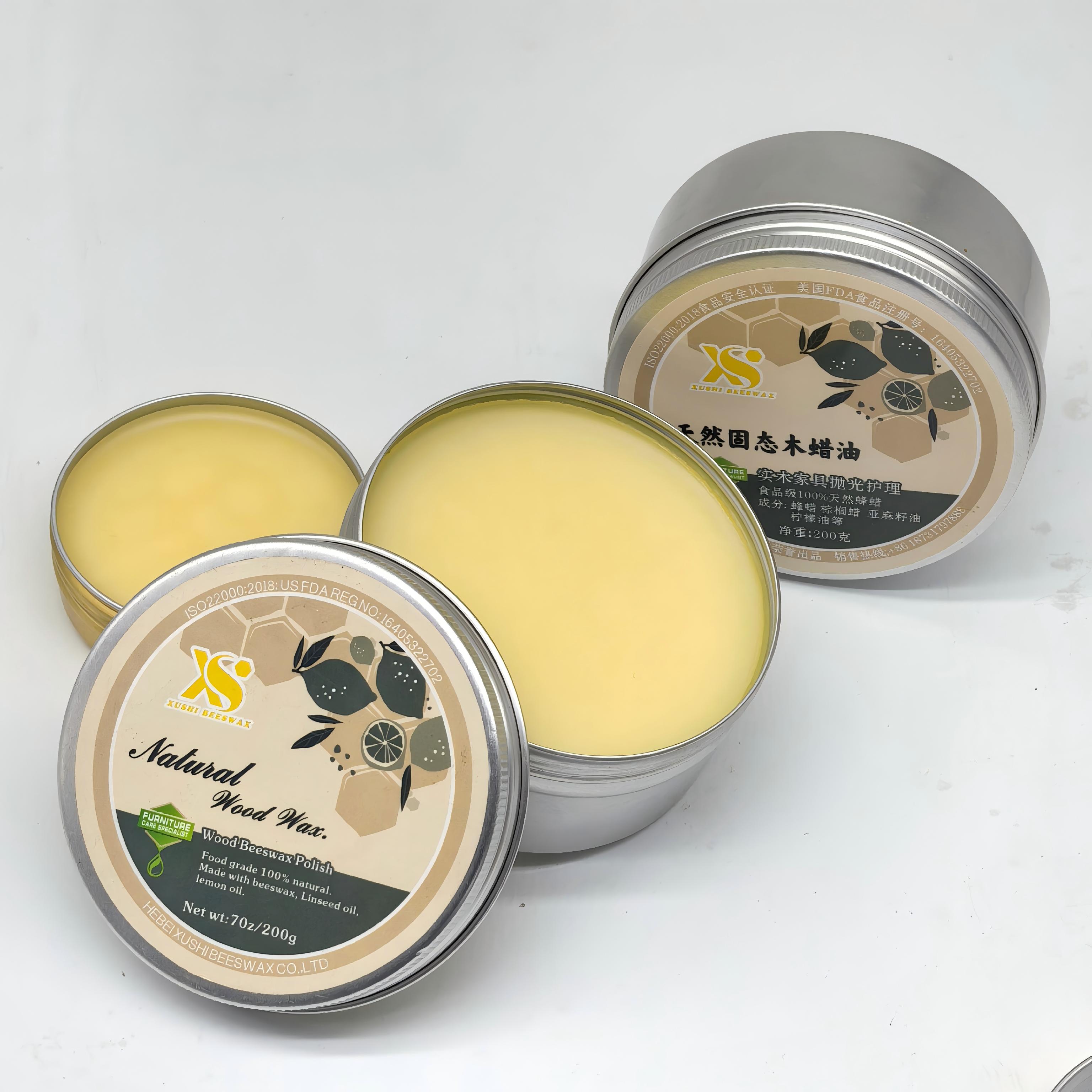
Have you ever wondered why some wood furniture retains a mesmerizing luster for decades while others fade into forgettable dullness? The secret lies not in complicated routines but in the natural power of beeswax. As a top beeswax wood furniture polish supplier, XUSHI brings you age-old wisdom crafted for modern homes. In this blog, we’ll reveal how to transform your cherished pieces into enduring statements of elegance—without harsh chemicals or costly restorations. Ready to unlock nature’s beauty secret?
Why Beeswax Outperforms Modern Polishes
Beeswax sinks into the grain rather than sitting on top of it, feeding the wood from within. Most modern polishes rely on silicones and solvents that create a temporary, plastic-like film—shiny at first, but prone to dulling or peeling as it ages. That shallow coat can also trap moisture, leading to cloudiness or even mold in humid conditions. Beeswax, by contrast, allows the wood to breathe while repelling water and everyday grime, preserving the material’s natural resilience without suffocating it.
The luster that beeswax imparts is unmistakably organic: soft, deep, and inviting. It doesn’t shout at you the way some high-gloss polymer finishes do. Instead, it enhances the wood’s figure and color subtly, shifting with the light and deepening over time. Commercial polishes often contain optical brighteners or harsh abrasives to force a shine, but that brilliance can feel sterile. With beeswax, the surface develops a patina that tells a story, growing richer with each hand-rubbed application.
Over months and years, beeswax builds a protective layer that actually becomes tougher and more integrated with the surface. It resists minor scratches and spills gracefully, and maintenance is simple—just a light reapplication restores the finish without stripping away what’s already there. Modern alternatives might promise quick results, but they rarely age well; they can chalk, yellow, or require complete removal before recoating. Beeswax, in its quiet way, leaves the wood stronger and more beautiful than it found it.
The Hands That Harvest Our Wax
Every block of wax in your hands begins with someone else’s—steady, patient, and dusted with the quiet hum of a working hive. These are not assembly-line products. Each sheet carries the faint impressions of fingers that eased it from the frame, gauged the warmth of the sun, and listened for the contented buzz signaling a healthy colony. It’s a rhythm older than beekeeping manuals, passed down through generations who learned to read the bees before they ever spun honey.
That human thread matters. The hands harvesting our wax aren’t just pulling a lever; they’re coaxing a delicate, living material into something enduring. They know the weight of a full comb, the moment to lift it without waste, the patience to let the bees clean the last traces of honey before the wax is ever rendered. This isn’t romanticism—it’s the quiet reality that separates a slab of anonymous commodity from wax that burns with a story.
Reviving Wood’s Hidden Glow
A timeworn oak beam, decades of varnish muting its story, surrenders a warmth you’d never guess was trapped beneath. Gentle scraping lifts the tired coat, and there it is—the wood’s own luster, like a buried memory suddenly catching the light. It’s not about making it new, but letting the original radiance breathe again, honest and unforced.
You don’t need harsh chemicals or aggressive sanding to coax out that inner glow. A blend of patience and the right cleaner, something mild that respects the grain’s history, does the real work. Each pass reveals a bit more of the wood’s character, the subtle shift in tone, the way it seems to warm the whole room. It’s a quiet transformation, the kind that makes you wonder why it was ever hidden.
There’s something almost meditative in watching the surface come alive. A dull, forgotten sideboard suddenly anchors the space with a gentle richness, its lines no longer choked by neglect. The glow isn’t just visual—it’s a feeling of revival, a reminder that the best things often just need a little care to show what they’ve been holding all along.
A Time-Tested Recipe for Beautiful Furniture
Creating furniture that stands the test of time isn't about chasing trends—it's about honoring a process rooted in patience and precision. The most enduring pieces start with careful material selection, where solid hardwoods like oak and walnut are preferred for their strength and evolving character. Each board is chosen not just for its grain but for how it will respond over decades of use, developing a patina that tells a story. This foundational step ensures that the finished piece isn't merely functional but becomes a quiet, constant presence in a home.
Joinery techniques passed down through generations form the invisible backbone of the recipe. Methods like mortise-and-tenon and dovetail joints, executed with skilled hands, create connections that actually tighten with age. Unlike shortcuts involving excess metal fasteners or weak butt joints, these traditional approaches allow the wood to move naturally through seasonal shifts without compromising integrity. It's a deliberate practice that transforms assembly into an art, where every cut and fit is an investment in the piece's longevity.
Finally, the finishing touches are anything but an afterthought. Hand-rubbed oils and waxes penetrate deep into the fibers, nourishing rather than masking the wood's surface. This method invites touch and use, gradually enhancing the luster without the plastic-like film that modern sprayed finishes often leave behind. Together, these elements—quality materials, honest joinery, and a proper finish—form a recipe that has proven itself across centuries of changing styles, quietly confirming that true beauty in furniture is always built to last.
How to Apply Polish Like a Professional
Most people slap on thick coats and call it a day, but the pros know better: barely-there layers are the real secret. Start with a perfectly clean, oil-free nail—wipe it down with alcohol or a bit of vinegar if you don't have fancy prep pads. A sticky base coat isn't optional; it's what makes the pigment grab on and stay put. Load your brush with just a bead of polish and wipe one side against the bottle neck. Touch the bead to the nail, push it gently toward the cuticle without flooding, then glide it forward. Let each coat dry for at least two minutes before you even think about the next one.
The three-stroke method is a game changer: one in the center, one on the left, one on the right. Leave a tiny gap around your cuticles and skin—swelling from hot water later can push polish onto your finger, and that gap prevents peeling. Always cap the free edge. Just a quick swipe across the tip of the nail with the brush barely loaded. It's awkward at first, but it stops chips at the tip before they start. Topcoat isn't just protection; it's the difference between a shiny mirror and a dull finish. If you really want to speed things up, drop a quick-dry oil on each nail a few minutes after the topcoat. No more waiting around terrified of smudges.
The Unseen Beauty of Natural Ingredients
There's a quiet elegance in the way a rose petal holds its scent long after it's plucked, or how raw honey crystallizes into a golden mosaic over time. These subtle transformations aren't just chemical reactions; they're nature's quiet poetry, unfolding without fanfare. When you crush a sprig of rosemary between your fingers, the release of its oils feels almost like a secret being shared—fleeting, intimate, and completely unmanufactured. This is the charm that lab-made synthetics can mimic but never truly replicate, because it's rooted in the unpredictability of soil, sun, and rain.
What we often overlook is the story embedded in every leaf and root—the way frankincense resin oozes from wounded tree bark as a form of self-healing, or how chamomile flowers seem to cradle the morning dew. Their beauty isn't just in their purity, but in their resilience and stark imperfection. A jar of cold-pressed aloe, for instance, retains a hint of green earthiness that speaks of its origin, unlike its sanitized commercial counterparts. Embracing these ingredients means welcoming their messiness, their variability, and their unpolished grace.
There's also a profound sensory richness that synthetics flatten. Think of the way vanilla absolute warms on the skin, evolving hour by hour, or how jojoba oil mimics our own sebum so closely that it sinks in without a trace. These interactions feel like a dialogue rather than a monologue—a give and take that highlights the body's innate intelligence. Natural ingredients don't demand attention; they simply exist in a state of aliveness that invites you to slow down and notice the textures, the fleeting aromas, the gentle shifts that happen when life meets life.
FAQ
Beeswax polish soaks into wood fibers, nourishing and protecting from within instead of just coating the surface. It creates a breathable finish that prevents cracking, brings out the natural grain, and avoids the chemical buildup common with synthetic products.
For regularly used pieces, applying once every two to three months keeps the wood moisturized and vibrant. Less frequently touched items may only need treatment every six months. Watch for dullness or dryness as a sign it's time to reapply.
Yes, pure beeswax polish is gentle enough for softwoods like pine and durable enough for hardwoods such as oak or mahogany. It also works beautifully on veneers and unfinished wood, but always test a small spot first on delicate finishes.
Top-tier polishes typically blend natural beeswax with food-grade mineral oil or carnauba wax. Some include citrus oils for cleaning power or flaxseed oil for extra conditioning, avoiding synthetic fragrances and silicone.
Start with a clean, dry surface. Using a soft lint-free cloth, rub the polish in small circular motions, working with the grain. Let it absorb for about 20 minutes, then buff gently with a fresh cloth until a soft sheen appears.
When applied sparingly and buffed well, beeswax polish dries to a smooth, hard finish. Overapplication can feel tacky; if that happens, simply buff more or wipe with a slightly damp cloth to remove excess.
Absolutely. Its non-acidic, non-abrasive nature makes it ideal for heirloom pieces. It helps stabilize fragile wood and enhances patina without harming original finishes, unlike harsh chemical strippers or spray-on polishes.
Look for suppliers who prioritize pure, ethically sourced beeswax and openly list ingredients. Small artisanal makers or long-standing natural woodcare brands often maintain higher quality than mass-market options, and many offer sample sizes to test compatibility.
Conclusion
Discovering the right beeswax polish means unlocking furniture’s innate radiance without the synthetic shellac of commercial alternatives. Our supplier partners with beekeepers who hand-harvest wax using methods that protect both colonies and the environment—because the true secret to a lasting shine begins long before the polish ever touches wood. Unlike modern polishes loaded with silicone and petroleum distillates, beeswax nourishes fibers from within, allowing the timber to breathe while forming a subtle, protective barrier. The formula itself is rooted in a time-tested blend: pure beeswax, natural oils, and nothing else that compromises authenticity. Each ingredient is chosen for its ability to feed the wood rather than simply coat it, resulting in a finish that actually improves with age as the wax cures and the grain deepens.
Applying beeswax polish properly transforms routine care into a restorative ritual. Start with a clean, dry surface, then work a thin layer of polish into the grain using a soft cloth in circular motions—this isn’t about layering on product, but about encouraging the wood to absorb what it needs. Let it rest for a few minutes before buffing with a clean cloth to reveal a gentle, matte luster. The real reward is the glow that emerges not from synthetic gloss, but from the wood’s own character reawakened. There’s an unseen beauty in knowing that every lustrous surface is the result of responsible sourcing, skillfully crafted recipes, and your own unhurried application. That’s the essence of natural furniture care—a quiet collaboration between nature and nurture that makes each piece undeniably alive.
Contact Us
Contact Person: Alan Zhu
Email: [email protected]
Tel/WhatsApp: 8613931838766
Website: https://www.cnxushibeeswax.com