

Smart Circuit Breaker Manufacturer: Innovative OEM Solutions for Modern Electrical Systems
2025-12-26
Welcome to a world where electrical safety meets cutting-edge innovation. In today's rapidly evolving landscape, smart technology is transforming how we manage and protect modern electrical systems. At the forefront of this revolution stands SINGI, a leading smart circuit breaker manufacturer dedicated to pioneering OEM solutions that redefine reliability and efficiency. Dive into this blog to explore how SINGI's advanced designs not only enhance safety but also empower industries to navigate complex energy demands with ease. Join us as we uncover the future of electrical protection, where every circuit tells a story of smarter, more resilient infrastructure.
Revolutionizing Electrical Safety with Smart Circuit Breakers
Gone are the days when electrical protection relied solely on mechanical components, often reacting only after a fault had already occurred. Smart circuit breakers are flipping this script by integrating digital technology directly into the home or industrial electrical panel. These devices monitor current and voltage in real-time, using sensors to detect anomalies like overloads, short circuits, or even subtle arcing that traditional breakers might miss. The result is a proactive safety net that can prevent fires and equipment damage before they escalate, fundamentally enhancing protection in a way that feels intuitive and responsive.
What sets smart breakers apart isn't just their ability to trip faster; it's their connectivity and data-driven insights. Many models connect to Wi-Fi or other networks, allowing users to control circuits remotely via smartphone apps. Imagine being able to deactivate a forgotten appliance while on vacation or schedule lighting without manual switches. Beyond convenience, this connectivity feeds into detailed analytics, providing usage patterns that help optimize energy consumption and identify potential issues early on, making electrical management smarter and more personalized than ever.
The impact extends beyond individual homes into larger systems like commercial buildings and renewable energy grids, where smart circuit breakers facilitate seamless integration of solar panels or EV chargers. They can dynamically adjust to changing loads and communicate with other smart devices, paving the way for more resilient and efficient infrastructures. This revolution isn't just about safety—it's about transforming electricity from a static utility into an interactive, adaptive resource that empowers users and supports sustainable practices, all while keeping risks firmly in check.
Custom OEM Solutions for Diverse Industry Applications
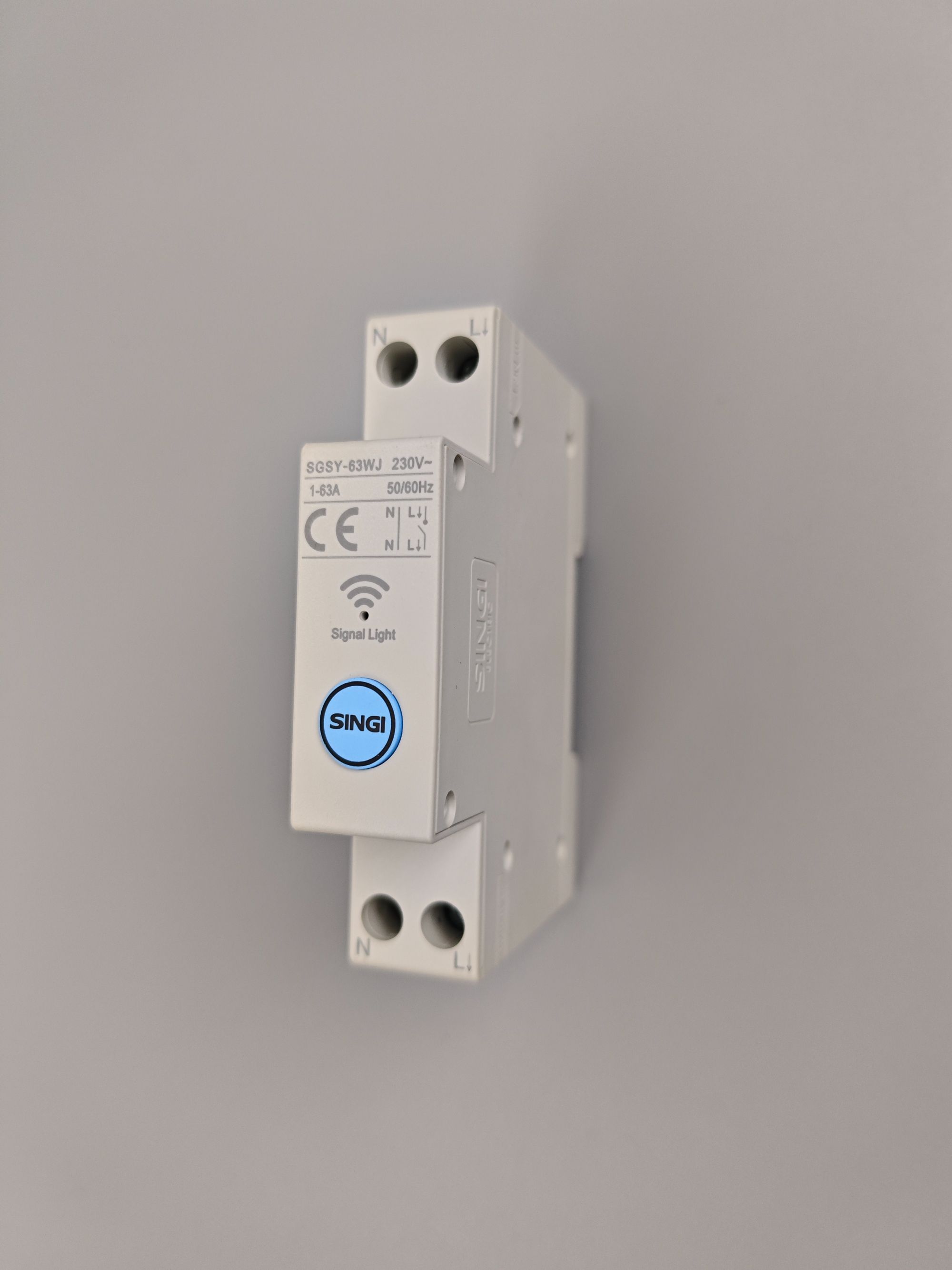
When it comes to custom OEM solutions, one size definitely doesn't fit all. That's why our approach starts with a deep dive into your industry's specific challenges and opportunities, whether you're in manufacturing, healthcare, or automotive. We tailor components and systems to integrate seamlessly with your existing workflows, ensuring they not only meet but exceed the unique demands of your sector.
Beyond just tweaking standard products, our OEM solutions involve a collaborative design process where we co-create with your engineering teams. This partnership model allows us to innovate on the fly, adapting to emerging trends like the shift towards sustainability or increased automation. The result is often a product that becomes a competitive edge, helping you stand out in a crowded marketplace.
What truly sets our offerings apart is the flexibility we build into every solution, enabling scalability and future-proofing as your needs evolve. From prototyping to full-scale production, we ensure each component is durable, reliable, and precisely aligned with your brand's vision, empowering you to deliver superior value to your customers across diverse applications.
Integrating Advanced Technology into Modern Electrical Grids
Modern electrical grids are undergoing a radical transformation by integrating advanced technologies to meet rising energy demands, enhance reliability, and support sustainability goals. This shift moves beyond traditional infrastructure toward smart grids that leverage real-time data and automation. For instance, sensors and IoT devices monitor grid conditions continuously, enabling predictive maintenance to prevent outages and reduce downtime, which is crucial in today's always-on society.
Renewable energy sources like solar and wind are becoming central to modern grids, but their intermittent nature poses challenges. Advanced technologies such as battery storage systems and AI-driven forecasting help balance supply and demand effectively. By optimizing energy flow and integrating these clean sources seamlessly, grids can reduce carbon footprints and promote environmental resilience without compromising on performance or cost-efficiency.
Cybersecurity and consumer engagement are also key aspects of this integration. With increased connectivity, protecting grid data from threats is paramount, leading to innovations in encryption and blockchain for secure transactions. Additionally, smart meters and mobile apps empower users to monitor and manage their energy usage in real-time, fostering a more interactive and efficient energy ecosystem that adapts to individual needs and preferences.
Enhancing Efficiency and Reliability in Power Systems
In modern electrical grids, boosting efficiency isn't just about cutting costs—it's a critical step toward sustainability and resilience. By integrating advanced technologies like smart meters and real-time monitoring, utilities can pinpoint energy losses and optimize distribution, reducing waste without sacrificing performance. This proactive approach not only trims operational expenses but also slashes carbon footprints, making power systems more eco-friendly while keeping lights on reliably.
Reliability hinges on anticipating and mitigating disruptions before they escalate. Grid operators are now deploying predictive analytics and AI-driven tools to forecast equipment failures and weather-related outages, enabling swift interventions that prevent widespread blackouts. Coupled with robust backup systems, such as microgrids and energy storage, these strategies ensure stable power flow even under stress, shielding communities and industries from costly downtime.
Forward-thinking designs, like decentralized generation and demand response programs, further strengthen the grid's backbone. By empowering consumers to adjust usage during peak hours, these innovations balance load and enhance overall system integrity, proving that efficiency and reliability aren't trade-offs but complementary goals in a smarter, more sustainable energy future.
Innovative Designs for Sustainable and Eco-Friendly Solutions
Exploring innovative designs for sustainable solutions is reshaping how we approach environmental challenges, moving beyond mere energy efficiency to embrace holistic systems thinking. From biophilic architecture that integrates natural elements into urban spaces to modular products designed for easy repair and reuse, these approaches prioritize lifecycle impacts and resource conservation. By fostering creativity in materials science and circular economy principles, designers are crafting solutions that not only reduce waste but also enhance resilience in communities facing climate change pressures.
Cutting-edge eco-friendly designs often leverage local contexts and indigenous knowledge, blending traditional practices with modern technology to create adaptive solutions. For instance, water-harvesting systems inspired by ancient methods are being refined with smart sensors for optimal use in arid regions, while biodegradable packaging alternatives draw from agricultural byproducts to combat plastic pollution. This synergy between innovation and tradition helps ensure that solutions are not only sustainable but also culturally relevant and scalable across diverse environments.
The push for sustainability in design is increasingly driven by user-centric approaches, where inclusivity and accessibility are key factors. From energy-efficient appliances with intuitive interfaces that empower users to monitor consumption, to urban green spaces designed with community input for shared benefits, these innovations foster a sense of ownership and responsibility. By emphasizing durability and multifunctionality, such designs encourage long-term adoption and inspire a shift toward more conscious consumption patterns, ultimately contributing to a healthier planet.
Tailored Manufacturing for Global Electrical Challenges
Navigating the diverse electrical challenges faced by industries worldwide requires a shift away from one-size-fits-all solutions. Tailored manufacturing emerges as a strategic approach, where production processes are custom-designed to address specific regional or sectoral electrical demands. This could involve adapting voltage standards for export across different continents, incorporating surge protection for areas prone to lightning, or designing energy-efficient components for countries with high electricity costs. By focusing on precision and customization, manufacturers can deliver products that not only meet technical specifications but also enhance reliability and performance in varied environments.
This bespoke approach goes beyond mere product customization; it integrates advanced technologies like AI-driven analytics and IoT sensors to monitor real-time electrical data, enabling proactive adjustments in manufacturing. For instance, in regions grappling with intermittent power supply, factories might prioritize the production of backup power systems or devices with low standby power consumption. Similarly, for markets transitioning to renewable energy, manufacturing lines can be reconfigured to produce smart inverters or grid-stabilizing equipment, ensuring seamless integration of solar or wind power. Such flexibility allows companies to pivot quickly in response to evolving global trends, from regulatory changes to climate-related disruptions.
Ultimately, tailored manufacturing fosters a more sustainable and resilient electrical infrastructure globally. By aligning production with local challenges—be it aging grids in urban centers or the need for off-grid solutions in remote areas—it reduces waste and improves resource allocation. This not only boosts economic competitiveness by offering differentiated, high-value products but also contributes to broader goals like energy security and reduced carbon footprints. In an era where electrical demands are increasingly complex, a custom-manufactured solution isn't just an option; it's a necessity for driving innovation and meeting the world's dynamic power needs head-on.
FAQ
Innovative OEM solutions in smart circuit breakers involve custom-designed components that integrate seamlessly with modern electrical systems, offering enhanced safety features, remote monitoring capabilities, and energy efficiency without compromising reliability.
Smart circuit breakers adapt by incorporating IoT connectivity, real-time data analytics, and automated fault detection, ensuring they can handle fluctuating loads and prevent outages in residential, commercial, and industrial settings.
A leading manufacturer distinguishes itself through R&D investments in materials science and digital interfaces, providing scalable products that evolve with technological advancements and user needs.
Tailored OEM solutions are crucial because they address specific voltage requirements, space constraints, and compliance standards, enabling smoother retrofits and reducing installation downtime.
Yes, by optimizing power distribution and reducing energy waste through intelligent load management, smart circuit breakers help lower carbon footprints and support green building initiatives.
Key challenges include balancing cost-effectiveness with advanced features, ensuring cybersecurity for connected systems, and maintaining durability under diverse environmental conditions.
Innovation leads to safer, more user-friendly interfaces with mobile app integration and predictive maintenance alerts, empowering users to manage their electrical systems proactively.
Emerging trends include AI-driven predictive analytics for failure prevention, integration with renewable energy sources, and modular designs for easier upgrades and repairs.
Conclusion
In the realm of modern electrical systems, smart circuit breaker manufacturers are pioneering a new era of safety and reliability. By revolutionizing electrical safety, these innovators integrate cutting-edge technology that detects faults in real-time, preventing potential hazards and ensuring uninterrupted power flow. Their focus on enhancing efficiency and reliability in power systems addresses the growing demands of today's energy-intensive environments, from residential complexes to industrial facilities. Through tailored manufacturing, they tackle global electrical challenges by adapting solutions to diverse regional standards and infrastructural needs, making smart circuit breakers indispensable for resilient electrical networks worldwide.
Moreover, these manufacturers excel in providing custom OEM solutions for diverse industry applications, allowing clients to integrate specialized features that meet unique operational requirements. By incorporating innovative designs for sustainable and eco-friendly solutions, they contribute to greener energy practices, reducing waste and optimizing resource usage. The seamless integration of advanced technology into modern electrical grids supports smart grid initiatives, enabling better load management and predictive maintenance. This holistic approach not only elevates performance but also sets a benchmark for innovation, positioning smart circuit breakers as key drivers in the evolution toward smarter, more sustainable electrical ecosystems.
Contact Us
Contact Person: Jack
Email: [email protected]
Tel/WhatsApp: (+86) 13757759651
Website: https://www.singi.com