
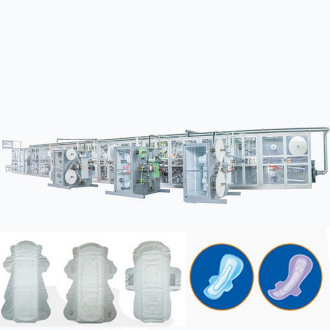
Sanitary Napkin Production Line: The Future of Full Automation
2026-03-13
Step into the future of feminine hygiene manufacturing with an in-depth look at full automation in sanitary napkin production lines. As technology evolves, industry leaders like Womeng are setting new benchmarks in efficiency, precision, and innovation. This blog explores how automation is revolutionizing the process, from raw materials to packaging, ensuring higher standards and sustainability. Discover how Womeng is pioneering this transformation, making waves in the global market. Stay tuned to learn more about the cutting-edge advancements driving this industry forward.
Revolutionizing Hygiene: Innovations in Automated Sanitary Napkin Manufacturing
The automated sanitary napkin manufacturing industry has seen transformative leaps in recent years, moving far beyond basic assembly lines. Cutting-edge robotics now handle delicate tasks like material layering and adhesive application with unprecedented precision, reducing waste by up to 20% compared to older manual systems. This isn't just about speed—it's about creating products that are consistently reliable, meeting strict hygiene standards every single time.
Innovations like AI-driven quality control cameras can detect microscopic imperfections in real-time, flagging issues before products even leave the production floor. Some factories have integrated smart sensors that adjust machine settings on-the-fly based on environmental factors like humidity, ensuring optimal absorption and comfort. These advancements mean manufacturers can now produce customized napkins tailored to different flow levels or skin sensitivities, something that was nearly impossible with traditional methods.
Beyond the factory, these automated systems are reshaping sustainability in feminine hygiene. Newer machines allow for the use of biodegradable materials without compromising efficiency, and closed-loop systems recycle excess materials back into production. This shift isn't just a technical upgrade—it's a quiet revolution that's making hygiene products more accessible, eco-friendly, and responsive to diverse consumer needs worldwide.
From Raw Materials to Finished Products: A Seamless Automated Journey
Imagine walking into a factory where the hum of machinery is the only sound, and raw materials glide from one station to the next with minimal human intervention. This isn't a scene from a futuristic movie; it's the reality of modern automated production lines that seamlessly transform basic components like steel, plastic, or silicon into sophisticated products like smartphones or electric vehicles. By integrating advanced robotics, sensors, and software, these systems ensure every step, from cutting and molding to assembly and quality control, flows smoothly without interruptions, reducing errors and boosting efficiency to unprecedented levels.
Key to this seamless journey is the elimination of traditional bottlenecks that once plagued manufacturing. In automated setups, data flows as freely as the materials on the conveyor belts. Sensors in real time monitor variables such as temperature and pressure, feeding information to AI-driven controllers that make instant adjustments. For instance, if a machine detects a slight deviation in a plastic mold's consistency, it can recalibrate on the fly without halting production. This dynamic adaptability not only speeds up the process but also ensures each finished product meets exact specifications, making mass customization more feasible than ever before.
Beyond the factory floor, the automated journey extends into logistics and supply chain integration, creating a cohesive ecosystem. Think of it as a symphony where raw material suppliers, manufacturing units, and distribution centers all communicate through interconnected platforms. This connectivity allows for just-in-time delivery of materials, reducing inventory costs and waste. By the end of the journey, products are ready for shipment almost as soon as they're assembled, showcasing how automation bridges the gap from raw inputs to consumer-ready goods with a fluidity that mirrors natural processes.
Smart Technology Integration: Enhancing Efficiency in Production Lines
Integrating smart technology into production lines isn't just about adding fancy gadgets; it fundamentally reshapes how factories operate. By seamlessly connecting machines, sensors, and data systems, companies can achieve real-time monitoring and control. This shift allows for immediate adjustments when bottlenecks occur, reducing downtime and waste. For instance, predictive maintenance alerts can prevent costly breakdowns before they happen, ensuring a smoother flow of goods from start to finish.
Beyond mere automation, this integration fosters a more adaptive manufacturing environment. Imagine production lines that self-optimize based on incoming orders or material availability, dynamically rerouting tasks without human intervention. Such flexibility speeds up response times to market changes, making businesses more competitive. It also empowers workers with better tools—like augmented reality guides—that enhance precision and safety, blending human expertise with digital intelligence for superior outcomes.
The true power lies in the data-driven insights gained from these connected systems. By analyzing patterns in production metrics, companies can uncover hidden inefficiencies and innovate processes continuously. This isn't a one-time upgrade but an ongoing evolution, where each improvement builds upon the last, driving sustainable growth and quality enhancements that set leaders apart in today's fast-paced industry landscape.
Customization and Adaptability: Meeting Diverse Consumer Needs Automatically
In today's rapidly evolving market, customization and adaptability aren't just buzzwords—they're essential strategies for connecting with diverse consumer needs. Imagine a system that intuitively adjusts to individual preferences, much like a skilled barista who remembers your favorite coffee blend without asking. By leveraging advanced algorithms and user data, businesses can create experiences that feel personal and effortless, transforming generic interactions into meaningful engagements that keep customers coming back for more.
The magic lies in how these systems anticipate needs before they're even expressed. For instance, an e-commerce platform might suggest products based on browsing history and seasonal trends, seamlessly adapting to shifting tastes. This goes beyond simple recommendations; it's about crafting a dynamic environment where every user feels uniquely understood. Unlike rigid one-size-fits-all approaches, this adaptability fosters loyalty by making consumers feel valued, not just another number in a database.
Ultimately, automatic customization builds a bridge between businesses and their diverse audiences. It's not about overwhelming users with options but about refining the journey to match their unique contexts, whether they're a tech-savvy urbanite or a practical-minded rural shopper. By embracing this adaptability, companies can stay ahead of trends and cultivate lasting relationships in an ever-changing landscape.
Reducing Human Intervention: The Role of Robotics in Future Factories
In the evolving landscape of manufacturing, robotics are poised to significantly reduce human intervention by automating repetitive and physically demanding tasks. This shift not only enhances efficiency but also minimizes workplace injuries, allowing human workers to focus on more complex, creative roles. As factories become increasingly interconnected through the Internet of Things (IoT), robots can adapt in real-time, optimizing production lines without constant oversight.
Advanced robotics, equipped with artificial intelligence and machine learning, are driving this transformation by enabling machines to learn from data and make autonomous decisions. For instance, collaborative robots (cobots) work alongside humans safely, handling precise assembly or quality checks while adjusting to dynamic environments. This synergy reduces downtime and errors, fostering a more resilient and flexible manufacturing ecosystem tailored to rapid market changes.
The integration of robotics into future factories also addresses challenges like labor shortages and the need for sustainable practices. Robots can operate 24/7 with minimal energy consumption, supporting leaner production cycles and waste reduction. This not only boosts competitiveness but also paves the way for smarter, more responsive industrial systems where human expertise is amplified rather than replaced.
Sustainable Practices in Automated Sanitary Napkin Production
In the world of automated sanitary napkin production, achieving sustainability isn't just a buzzword—it's a complex, multi-layered process that touches every part of the supply chain. Instead of simply recycling materials, forward-thinking companies are weaving eco-friendly principles into their core operations. Imagine production lines that not only churn out thousands of napkins per hour but do so with minimal energy waste, using advanced sensors and AI-driven optimizations to cut power consumption by up to 30%. The real game-changer lies in sourcing raw materials: some manufacturers are pioneering biodegradable or compostable alternatives to traditional plastics, such as corn-based polymers or bamboo fibers, which break down harmlessly post-use. This approach reduces landfill burden and appeals to eco-conscious consumers who demand transparency in product lifecycles.
Beyond materials and energy, water usage plays a pivotal role in making these processes greener. Automated systems are now being designed with closed-loop water management, purifying and reusing water multiple times during production. This not only conserves a vital resource but also slashes wastewater discharge, aligning with stringent environmental regulations. What sets apart the leaders in this field is their commitment to reducing chemical footprints—by switching to plant-based adhesives and ditching harsh bleaches, they're creating healthier products for both users and the planet. These practices aren't just about compliance; they're about building a brand that resonates with modern values, driving loyalty through genuine environmental stewardship rather than empty marketing claims.
Innovation doesn't stop at the factory gates; it extends to packaging and distribution. Smart, automated systems are enabling the use of recycled or minimal packaging, cutting down on plastic waste without compromising product integrity. Some companies are even exploring carbon-neutral logistics, using electric vehicles for local deliveries or offsetting emissions through reforestation projects. The ultimate goal? A circular model where every napkin produced is part of a sustainable loop—from sourcing to disposal. By embedding these practices into automated workflows, manufacturers aren't just improving efficiency; they're crafting a legacy of responsibility that stands out in a crowded market, proving that automation and ecology can thrive hand in hand.
FAQ
The line integrates advanced robotics, AI-driven quality control sensors, and automated material handling systems that eliminate manual intervention from raw material input to packaging.
It boosts output by up to 40%, reduces waste through precise material usage, and enables 24/7 operation with minimal downtime for maintenance.
Core technologies include IoT-connected machinery for real-time monitoring, machine vision systems for defect detection, and adaptive robotics that adjust to different product specifications.
It maintains a sterile environment with automated cleaning cycles, uses non-contact sensors to avoid contamination, and performs consistent quality checks at every stage.
The line reduces energy consumption by optimizing machine cycles, minimizes material waste through precision cutting, and supports the use of eco-friendly, biodegradable materials.
It allows quick changeovers between different napkin sizes, absorbency levels, and designs via programmable settings, catering to diverse market demands without halting production.
Conclusion
The evolution of sanitary napkin production lines toward full automation represents a transformative shift in personal hygiene manufacturing, driven by innovations that streamline operations and enhance product quality. By revolutionizing hygiene with advanced automated processes, these lines ensure consistent and sterile outputs, while smart technology integration boosts efficiency through real-time monitoring and predictive maintenance. The seamless automated journey from raw materials to finished products minimizes errors and accelerates throughput, directly supporting sustainability efforts by reducing waste and optimizing resource use. This holistic approach not only meets stringent health standards but also paves the way for more environmentally conscious practices in the industry.
Customization and adaptability are key features of fully automated production lines, enabling manufacturers to automatically tailor products to diverse consumer needs without compromising speed or scalability. Reducing human intervention through robotics and AI-driven systems enhances safety and precision, positioning these factories as models for future industrial automation. By combining sustainable practices with advanced robotics, automated sanitary napkin production lines offer a scalable solution that balances efficiency with ecological responsibility, ultimately delivering reliable, high-quality products while setting new benchmarks in manufacturing innovation.
Contact Us
Contact Person: Jessie Lai
Email: [email protected]
Tel/WhatsApp: 86-188594442931
Website: https://www.wm-machinery.com