

Reliable INNOMOTICS Speed Reducers Supplier You Can Trust for Quality Industrial Gear Drives
2026-09-16
When a single failed gearbox can halt an entire production line, the choice of speed reducer supplier stops being a purchasing decision and becomes a risk-management strategy. That’s where Chuangjuman steps in, pairing genuine INNOMOTICS speed reducers with the kind of quality industrial gear drives that keep operations running shift after shift. In this post, we’ll break down what to look for—and why reliability is the only metric that matters.
Selecting Innomotics Reducers Around Your Actual Load Profile
Instead of defaulting to the motor nameplate power, begin with the actual torque and speed demands your machine sees over a complete duty cycle. For Innomotics reducers, this means mapping the load profile—peak torque, continuous torque, acceleration ramps, and braking events—against the gear unit’s thermal and mechanical ratings. A hoist that runs for 20 seconds every 3 minutes stresses the reducer quite differently than a conveyor holding 80% of rated torque without interruption.
Use measured or simulated load spectra to check not only the maximum torque but also how often load reversals and shock loads occur. Innomotics sizing tools accept time-based torque curves, yet the real insight comes from interpreting the results: if a cycloidal application yields a service factor below 1.4, step up one frame size or add auxiliary cooling. Also scrutinize overhung loads from chain drives or belt pulleys—they often limit bearing life well before gear tooth bending becomes the constraint.
When field data isn’t available yet, build a conservative profile from machine cycle drawings and motor current trends. After commissioning, re-validate by logging actual gear unit temperature and vibration. A reducer selected around a realistic load profile runs cooler and quieter, helping you avoid the hidden costs of an oversized unit that wastes energy or an undersized one that fails early.
Where Rugged Industrial Gear Drives Undergo Pre-Shipment Verification
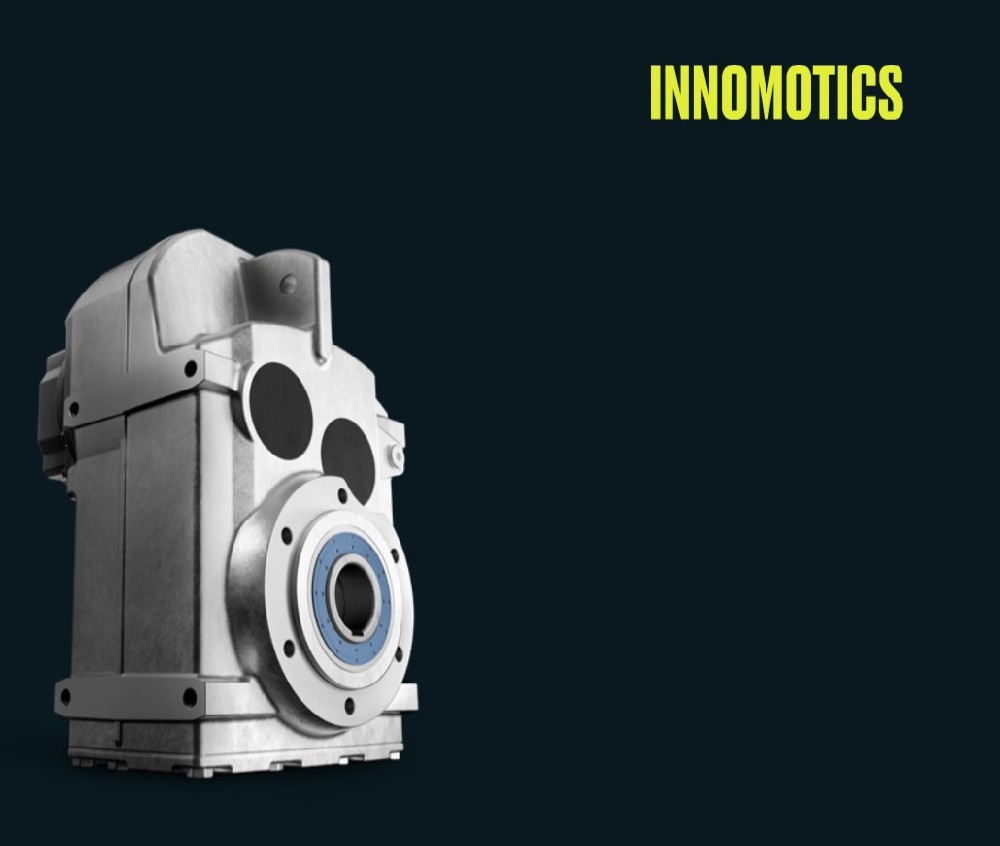
The verification bay here doesn't resemble a sterile lab. Grease stains edge the dynamometer mounts, and a rack of worn dial indicators sits within arm's reach. Every rugged industrial gear drive is treated like it's already bolted into a mine conveyor or a steel mill roller table. Before anything gets a shipping tag, it runs through a sequence of backlash checks, tooth contact pattern readings, and oil pressure holds under load. If a single measurement drifts outside the band, the unit is torn down on the spot, not waved through on a promise.
The actual test cycle is deliberately unforgiving. We couple the drive to a simulated load and stage torque up past its rated value in increments. Temperatures are logged every fifteen minutes, while vibration signatures are overlaid against baseline plots from identical units built earlier that quarter. After a full thermal cycle, the gear case is opened for a strip-down inspection of bearing surfaces and shaft seals. Only then does the drive move to a holding area for its final check.
That final sign-off stays manual for a reason. A senior technician walks the gear set with a borescope, checks the magnetic drain plugs for metal fines, and rotates the input shaft by hand to feel for any hitch or rough spot. It's a slow, tactile pass that automated reports can't replace. That last touch is what separates a drive that passed a test from one that's actually ready to run a rock crusher at three in the morning.
A Supply Partner That Works Within Your Maintenance Calendar
Scheduled shutdowns and routine maintenance windows leave little room for supplier delays. This partnership is built around your calendar, not the other way around. Parts arrive before the line stops, and any last-minute scope changes are absorbed without throwing the entire plan off track.
Instead of forcing you into rigid lead times, the supply flow adjusts to the dates your team already has on the board. Whether it's a two-day bearing swap or a full line overhaul, orders are staged to match the exact hours you've set aside. That means fewer idle crews and no stockpile of parts waiting months for a shutdown that shifts.
The result is a maintenance schedule that stays intact. You keep the downtime you planned, avoid the emergency calls that blow budgets, and never have to explain why a supplier missed the window.
Matching Speed Reducer Features to the Conditions They Will Face
Selecting a speed reducer starts with the operating reality: intermittent light loads allow compact, cost-effective units, while continuous shock loads demand heavier bearings, case-hardened gearing, and a higher service factor. Pay attention to how often the reducer cycles, because frequent starts and stops generate thermal stress that changes lubricant behavior and accelerates wear far more than steady running.
Environmental conditions shape the choice of seals, breathers, and housing materials just as much as mechanical loads. Dust, washdowns, humidity, or wide temperature swings can turn a mechanically adequate reducer into a maintenance problem if the enclosure and lubrication system are not matched to the site. In food or chemical settings, corrosion-resistant housings and food-grade lubricants are often non-negotiable, while outdoor installations require UV-stable coatings and moisture-resistant venting.
Finally, consider how the unit will be mounted and serviced. Vertical mounting, overhung loads, or limited access for oil changes affect internal splash lubrication and bearing life. A reducer that matches the expected load but cannot be properly lubricated or inspected in its installed position will degrade quickly, so features like sight glasses, magnetic drain plugs, and pre-filled sealed designs should be evaluated against the actual maintenance routine.
Reducing Downtime Risk Through Application-Specific Drive Selection
Every production line has its own rhythm, and a drive that works perfectly in a packaging machine may fail prematurely in a high-inertia conveyor or a washdown environment. Selecting a drive based on generic horsepower ratings alone overlooks the specific torque profiles, thermal cycling, and ambient stresses that accumulate into unplanned stops. By matching the drive's overload capacity, enclosure protection, and control response to the actual load pattern, engineers eliminate the most common root causes of downtime before the equipment ever reaches the floor.
Application-specific drives often include pre-configured macros for common machine types—cranes, extruders, winders, or hoists—so commissioning time drops and parameter errors become less likely. More importantly, these tailored settings account for real-world behavior like regenerative energy, rapid acceleration, or frequent jogging, which generic drives handle poorly. When a drive understands the application's thermal limits and dynamic demands, it stops fighting the process and becomes a predictable, low-maintenance part of it.
The payoff shows up in reduced mean time to repair and fewer nuisance trips. Drives chosen for their exact duty cycles run cooler, protect motors more effectively, and tolerate voltage sags or load spikes without shutting down. Instead of relying on a one-size-fits-all unit and hoping for the best, maintenance teams gain a drive that already knows the machine's language—and that quiet confidence is what keeps production moving.
Supporting Your Line With Reliable Innomotics Gearbox Availability
Keeping a production line moving often comes down to one question: can you get the right gearbox when a failure happens? Innomotics approaches availability as an operational requirement, not a catalog promise. Common frame sizes and ratios are stocked across multiple regional distribution centers, which shortens the gap between identifying a worn unit and having a replacement on the dock. For less common configurations, pre-assembled subcomponents allow final builds to be completed in days instead of weeks.
That kind of readiness matters most during unplanned stoppages. Rather than forcing a full redesign or waiting on a single factory schedule, maintenance teams can pull from a pool of interchangeable units that match existing mounting dimensions and shaft arrangements. The result is less guesswork around lead times and more confidence in the next shift. When a gearbox does need replacement, the process feels less like a special order and more like pulling a known part from a well-managed shelf.
FAQ
They tend to hold up well under continuous load because the housings are rigid and the gearing is finished to tight tolerances. Maintenance teams also like that the units arrive factory-filled with lubricant and ready to mount, which cuts installation time.
Focus on rated torque at the actual output speed you need, not just the frame size. Also check the service factor and thermal capacity, since a unit that runs hot will shorten oil life. In practice, INNOMOTICS models often allow a smaller frame for the same torque, which helps when space is limited.
The shaft and bearing arrangement is designed to absorb momentary peaks without cracking the case or wiping the teeth. If the application has frequent reversing or impact loading, it is worth specifying the reinforced input stage to get a longer service interval.
Yes, the supplier can mate the reducer with an appropriate motor and provide the complete assembly on a baseplate. This reduces alignment errors and gives you one point of contact for the drivetrain, which is useful when you are replacing an old foot-mounted setup.
Every unit ships with a dimensional drawing, mounting instructions, and a test summary showing noise level, oil temperature rise, and measured backlash. For special orders you can request a full load test report before the unit leaves the warehouse.
Standard cast iron units are not meant for direct high-pressure washdown. However, you can choose stainless steel output shafts, sealed bearings, and a food-grade lubricant package. The supplier can also apply a two-part epoxy coating if the environment is only occasionally damp.
Most special ratios can be built within three to five weeks, depending on the current workload and whether the housing is already in stock. If you need a totally custom shaft extension or flange, plan for a couple of extra weeks for machining and verification.
Spare gear sets, seals, and bearing kits stay available for many years after the original purchase. The supplier can also send a technician to inspect older units on site, measure wear, and recommend whether a rebuild or replacement makes more financial sense.
Conclusion
When your operation depends on consistent torque and predictable motion, the choice of speed reducer supplier becomes a decision about more than just hardware. Innomotics reducers are selected around your actual load profile, not a generic catalog rating, which means every unit is matched to the real-world demands it will face. Before any rugged industrial gear drive leaves the facility, it undergoes pre-shipment verification, catching potential issues before they reach your floor. This level of care extends into a supply partnership that works within your maintenance calendar, so replacements and spares align with planned shutdowns rather than forcing unplanned work. The result is a line supported by reliable Innomotics gearbox availability, where downtime risk is reduced through application-specific drive selection.
Rather than asking you to adapt your process to a standard product, the focus stays on matching speed reducer features to the conditions they will encounter, from washdown environments to heavy shock loads. That practical alignment is what makes a trustworthy supplier different: you receive gear drives that have been proven before shipment, scheduled around your operational windows, and backed by inventory that responds when you need it. Quality is not an abstract promise here; it shows up in the way each reducer handles its assigned task without surprise failures or premature wear.
Contact Us
Contact Person: Jony
Email: [email protected]
Tel/WhatsApp: 086-0571-86161808
Website: https://en.hzcjm.com/