

OEM Beverage Production Line Maker: Crafting Customized Drink Manufacturing Solutions
2026-06-20
Every refreshing sip starts with a flawless production line—but when it comes to crafting beverages at scale, generic equipment rarely fits the bill. That’s where INTOP Machinery steps in, redefining what it means to design and build OEM beverage production lines. Instead of forcing your unique recipes into off-the-shelf constraints, we engineer tailored systems that amplify your efficiency, consistency, and brand identity from the very first drop.
Tailored Drink Production Systems
Modern tailored drink production systems move beyond one-size-fits-all machinery, integrating modular components that adapt to the viscosity, carbonation level, and particulate content of each recipe. This approach lets producers switch between cold-brew coffee, fruit-infused teas, and functional wellness shots on a single line without lengthy changeovers. Sensors track flow rates and temperatures in real time, adjusting pump speeds and mixing ratios autonomously to maintain target flavor profiles batch after batch.
Flexibility doesn’t stop at hardware—software platforms paired with these systems memorize custom recipes, suggest process tweaks based on ingredient analytics, and even simulate production runs before physical setup begins. Operators spend less time calibrating and more time experimenting with limited-edition formulas. The result is a production environment that mirrors the craft of a barista or mixologist, scaled up for commercial demand yet nimble enough to pivot when consumer tastes shift overnight.
End-to-End Beverage Line Engineering
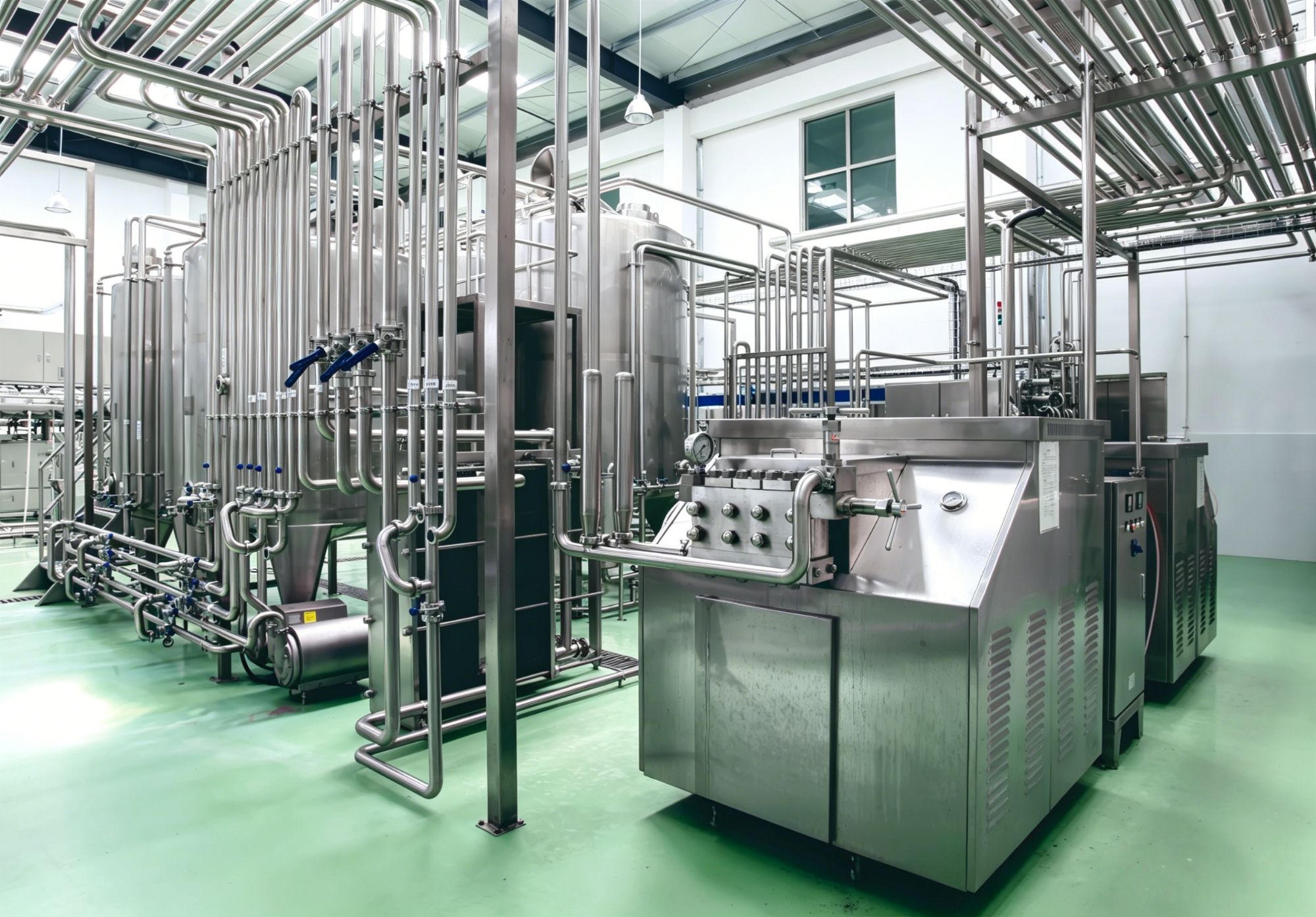
Building a beverage production line from the ground up is not just about connecting equipment—it’s about crafting a seamless flow where every stage, from raw material intake to final packaging, operates as a single, intelligent organism. The process begins with a deep understanding of the product itself: carbonated or still, hot-fill or aseptic, delicate juice or robust energy drink. Each decision ripples through the line design, influencing everything from pump selection to filler technology.
What sets exceptional line engineering apart is the ability to anticipate bottlenecks before they become reality. An experienced team interweaves process know-how with automation strategy, ensuring that accumulation tables, labelers, and packing machines don’t just coexist but actively communicate. The goal is a line that runs at its optimum steady-state rhythm, not just maximum nominal speed, where a hiccup in depalletizing doesn’t cascade into an ocean of downed containers downstream.
True end-to-end thinking extends beyond hardware to include utilities, waste handling, and often-overlooked areas like central chemical dosing and vision inspection integration. It’s about designing a facility where water recovery loops back into primary rinsing, where data from the filler’s fill-level sensors adjusts the upstream mixer in real time, and where the entire system flexes gracefully between SKU changeovers without hours of fumbling. This holistic perspective turns a collection of machines into a cohesive and efficient beverage factory.
Innovative Machinery for Unique Recipes
Behind every unforgettable dish lies a piece of equipment that does more than just mix or heat—it redefines what's possible in the kitchen. Our approach to machinery design starts with the recipe itself: we study the precise moment when ingredients transform, then engineer tools that capture that magic. Instead of forcing chefs to adapt their techniques to standard appliances, we build machines that bend to the rhythm of hands-on creation, allowing for textures, infusions, and consistencies you can’t achieve with off-the-shelf gear.
What sets this collection apart is the deliberate departure from one-size-fits-all engineering. Each unit is prototyped in collaboration with culinary pioneers who refuse to compromise on flavor or experience. The result is a suite of devices that can, for example, mimic the gentle kneading of a master baker's hands at three in the morning or replicate the exact thermal shock needed for a crackling crust without a wood-fired oven. These aren't just machines—they're silent partners in creativity, responding to the nuances of small batches and seasonal ingredients with a sensitivity that industrial equivalents lack.
The true measure of this machinery reveals itself in the dining room, not the catalog. Plates arrive carrying stories of improbable consistencies and flavors that linger mysteriously—guests often wonder what secret technique produced such results. That’s the quiet confidence of equipment designed not for volume, but for vision. It’s the reason a tiny patisserie can perfect a two-day laminated dough without an army of apprentices, or why a farm-to-table pop-up can serve a silken vegetable purée that tastes exactly of the moment it was harvested. Here, innovation isn’t about microchips and touchscreens; it’s about rediscovering the soul of a recipe through engineering that feels almost intuitive.
Streamlined Manufacturing Workflows
When you walk through a factory floor where workflows have been truly streamlined, the first thing you notice isn't the speed—it's the quiet logic of movement. Parts arrive at stations just as they're needed, tools are positioned within natural reach, and the entire line breathes with a rhythm that feels almost organic. This doesn't happen by accident. It comes from meticulously mapping each step, trimming away the invisible waste that accumulates in handoffs, waiting periods, and redundant approvals. The result is a process that respects both the product and the people making it, turning chaotic rushes into a steady, predictable flow.
One of the most overlooked aspects of workflow design is how information travels alongside physical goods. In many shops, a job travelers or digital work instructions lag behind reality, forcing operators to pause and figure out what's actually needed. Streamlining tackles this head-on by making data visible and actionable at the point of use—think of a dashboard that updates in real time as a machine completes a cycle, or a simple color-coded signal that tells the next cell what priority a batch holds. These small changes eliminate the constant mental overhead of “what now?” and let skilled workers focus on value-adding tasks instead of clerical guesswork.
Sustainable efficiency also means designing workflows that can flex without breaking. A streamlined line isn't a brittle, hyper-optimized contraption; it's built with buffers and decision points that accommodate variation. Whether it's a custom order that deviates from the standard or a sudden material shortage, the system absorbs the shock because cross-trained staff, modular workstations, and clear escalation paths are already in place. The goal isn't to plan for every possible scenario but to create an environment where the team can adapt quickly, informed by a shared understanding of the overarching process rather than a rigid sequence of instructions.
Quality-Driven Equipment Integration
Every machine we deploy is selected after rigorous performance benchmarking, ensuring it aligns seamlessly with your production goals. Our integration process prioritizes durability and precision from the start, treating each assembly line as a unique, interconnected system rather than a collection of isolated parts. This mindset eliminates common friction points that often degrade output quality over time.
We look beyond basic spec sheets to examine how equipment behaves under real-world stress: temperature swings, material inconsistencies, and operator variability. By stress-testing control interfaces and validating sensor feedback loops early, we prevent the subtle drift that leads to rejected batches. The result is a cohesive setup where mechanical, electronic, and software layers reinforce each other, not just coexist.
Maintenance strategies are built directly into the integration blueprint, so quality doesn’t decay as components age. Predictive wear models and clear diagnostic pathways keep deviations visible and manageable, allowing your team to address potential issues before they impact the product. This sustained attention to the entire lifecycle turns equipment integration from a one-time project into a lasting quality advantage.
Scalable Solutions for Growing Brands
Growth brings both excitement and complexity. What worked when you were small—spreadsheets, manual processes, and ad-hoc fixes—starts to crack under the strain of higher order volumes, more customer inquiries, and expanding teams. The real challenge is building a foundation that flexes with demand, not one that breaks under pressure.
True scalability means your operations, tech stack, and workflows evolve in lockstep with your ambitions. It’s about replacing rigid systems with modular architecture that can plug in new sales channels, automate repetitive tasks, and unify data without a complete overhaul every time you launch a product or enter a market. The goal is not just to handle more, but to handle it with less friction.
We’ve seen brands outgrow their own success overnight—suddenly drowning in fragmented inventory, disjointed customer experiences, and reporting blind spots. The antidote isn’t a bigger band-aid; it’s a mindset shift. Scalable solutions are built on adaptability: cloud-based infrastructure that scales up or down, API-first tools that speak to each other, and processes designed for fluidity. That way, growth becomes a strategic accelerator, not a crisis to manage.
FAQ
We design and build complete turnkey systems—from raw material handling to final packaging—tailored to your specific drink recipes and production goals.
Almost every aspect is adjustable: bottle shapes, filling speeds, cap types, labeling styles, and even the way ingredients are mixed can be matched to your brand’s identity.
We cover carbonated soft drinks, juices, functional waters, dairy-based beverages, teas, and niche categories like cold brew coffee or kombucha.
It starts with understanding your product and capacity needs, then moves into engineering design, component sourcing, assembly, testing at our facility, and finally on-site installation with training.
Yes, remote diagnostics and on-site service are part of the package, plus we keep a stocked inventory of critical spare parts to minimize downtime.
We offer modular setups that scale with your growth, so you don’t have to invest in full-scale automation all at once—ideal for test batches and gradual expansion.
Typically, a standard line takes four to six months for delivery and commissioning, but complex customizations can extend that slightly.
Conclusion
In the world of beverage manufacturing, a one-size-fits-all approach rarely delivers the necessary edge. Our focus is on engineering truly tailored drink production systems that reflect the unique character of each brand and its recipes. From the initial concept to the final packaged product, we provide end-to-end beverage line engineering that eliminates gaps between processing, filling, and packaging. Every component is selected and integrated with a quality-driven mindset, ensuring that equipment works in harmony to safeguard taste, texture, and shelf life. This cohesive methodology means brands can scale confidently without compromising the artisanal qualities that set them apart.
Innovation lies at the heart of what we do, particularly when it comes to handling unconventional ingredients and distinctive recipes. Our machinery is designed to adapt, not dictate, allowing for creative freedom while maintaining streamlined manufacturing workflows that reduce waste and boost efficiency. As brands grow, their production demands evolve, and our scalable solutions are built to expand in step—whether adding capacity or entering new segments. By weaving together flexibility, precision, and robust engineering, we empower drink producers to bring bold visions to market with consistency and speed, turning the complex journey from recipe to retail into a seamless reality.
Contact Us
Contact Person: Laura
Email: [email protected]
Tel/WhatsApp: +86 13957758832
Website: https://www.intopmachinery.com