

Mixer Truck Washing Machine Solution That Keeps Your Fleet Clean Without Wasting Water
2026-08-13
Washing a mixer truck usually means watching hundreds of gallons of water swirl down the drain with every rinse. It is wasteful, costly, and increasingly hard to justify. That is where a mixer truck washing machine solution makes a real difference. Sinou has built a system that cleans your fleet thoroughly while cutting water use to a fraction of what traditional methods require. In this post, we look at how it works, what it saves, and why it is becoming essential for modern concrete operations.
Concrete Doesn't Wait: Why Drum Build-Up Happens Sooner Than You Think
The hydration reaction starts the moment water hits the cement, and it doesn’t take a break just because the drum is empty. A thin film of leftover slurry clings to the fins, the charging cone, and the tight corners behind the mixing blades after every discharge. Within an hour that film begins to stiffen. By the next morning it has already locked into a hard crust. Each fresh load then deposits another micro-layer over it, so a drum that looks clean on the surface is quietly gaining weight and losing volume.
Drum rotation actually makes things worse in hidden spots. The tumbling aggregate scrapes the easy-to-reach areas but pushes material into seams, bolt holes, and the transition zone near the discharge opening. Those pockets never get the abrasive cleaning that the rest of the drum receives. Before long the buildup reduces effective capacity, forces the mixer to work harder, and throws off the balance of every batch. The first signs you notice—slower mixing, heavier loads, uneven discharge—are just the end result of buildup that started with the very first residue you couldn’t see.
Most Truck Washes Are Dumping Water You Could Reuse
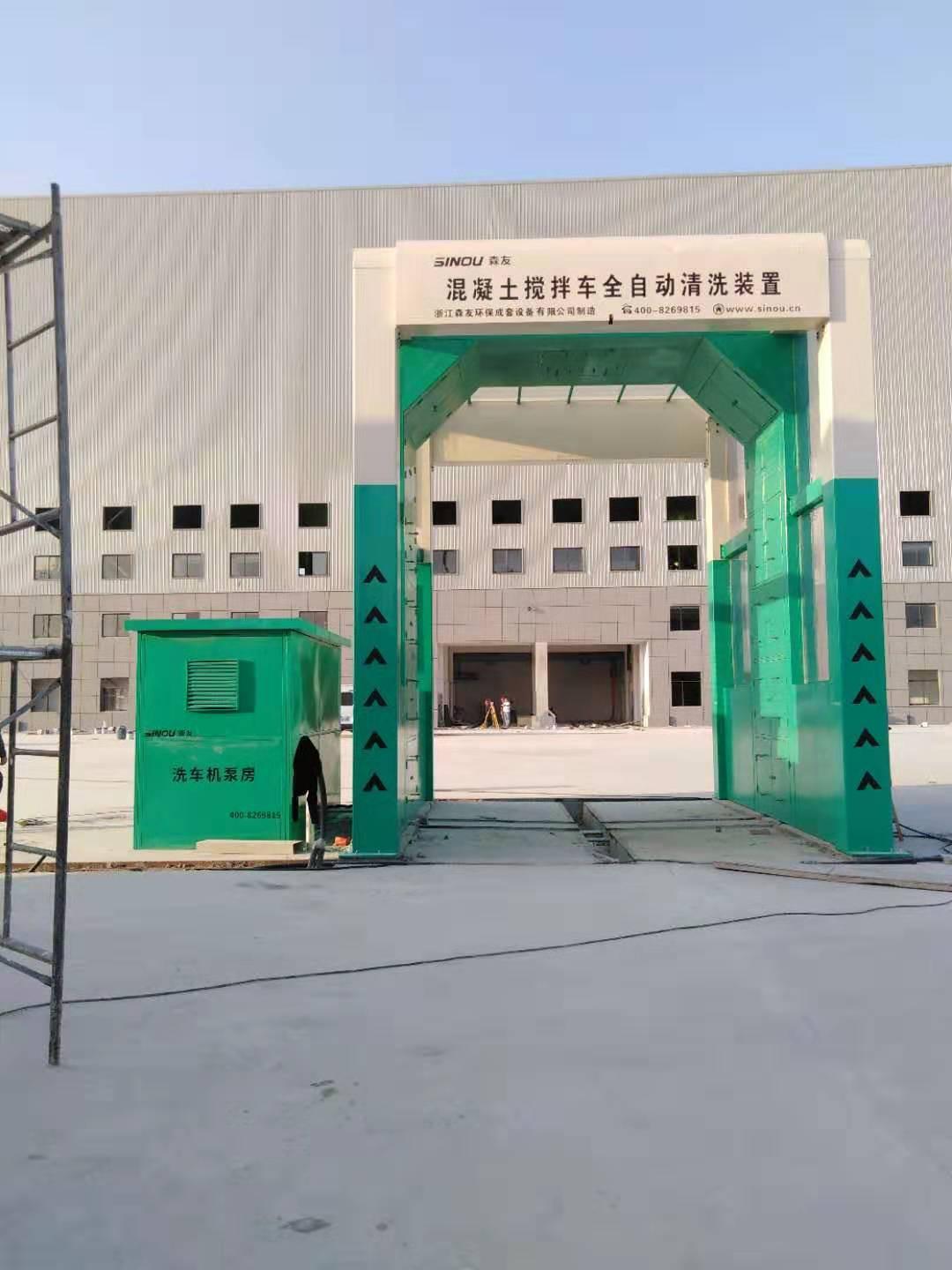
Walk behind a busy truck wash and you will see it: streams of water sliding into the drain, loaded with soap, road film, and grit. What most people miss is that a large share of that water could be captured, filtered, and used again for the same wash cycle. Many operators still treat every gallon as single-use, even when basic settling tanks and mesh screens would make reuse simple.
The waste shows up on the utility bill as much as in the environment. One wash bay can send thousands of gallons down the sewer each day, and with it goes the money spent on fresh water and disposal fees. Adding a capture sump and a minimal filtration loop often cuts freshwater demand by half or more, with payback times measured in months, not years. Yet the majority of facilities never bother.
Old habits and fear of upfront cost keep the practice rare, but that excuse is wearing thin. Operations in areas with strict discharge rules have proved that recycled water works fine for pre-rinse, undercarriage spray, and wheel cleaning without hurting results. That water does not need to be drinkable, just clean enough for the job. Ignoring it means paying twice: once to bring it in and once to send it away.
The Closed-Loop Difference: Cleaning Mixers Without Losing a Drop
Ask any shift supervisor what happens when a mixer gets cleaned between batches, and you'll usually hear the same answer: the leftover product goes down the drain. That's the open-loop habit. It keeps lines moving, but it quietly throws away material that could have been sold, reprocessed, or at least recovered. The cost isn't just the lost product—it's the extra water, the waste treatment load, and the nagging feeling that the line could run tighter.
A closed-loop cleaning setup flips that logic. Instead of rinsing the mixer and sending everything to the sewer, the system recirculates a controlled amount of cleaning fluid through the vessel, spray balls, and piping. Residual product gets pushed into a recovery tank or inline filter rather than being diluted and discarded. The same fluid is reused for the wash cycle, and any product that breaks loose is captured separately. This means the mixer comes clean without sacrificing the heels, coatings, or viscous leftovers that would otherwise be lost.
The practical difference shows up in yield numbers and changeover time. Plants that switch to closed-loop mixer cleaning often find they recover several kilograms of product per batch that used to vanish. Water and detergent use drop because the system isn't constantly drawing fresh rinse water. And because the wash sequence is repeatable, cleaning validation gets simpler—you can measure what was recovered, what was used, and confirm nothing slipped away. It's not a gadget; it's just a tighter way to run the same mixer.
Inside the Drum: Making High-Pressure Water Work Smarter
The inside of a high-pressure drum rarely gets much attention, but that's where the real work happens. Water enters at low velocity and gets pushed through a narrowing annulus between the impeller and the casing. The shape of that passage isn't arbitrary—slight changes in the volute curve or the cutwater angle determine whether the pump builds pressure smoothly or wastes energy in eddies and backflow. When the drum is designed well, the water leaves the discharge port with a consistent, tightly focused stream instead of a pulsing, air-churned mess.
One overlooked detail is the clearance between the impeller hub and the wear plate. Too tight, and heat builds up fast; too loose, and pressurized water slips backward, dropping the effective output. Some newer designs use pressure-compensating balance holes drilled through the impeller to equalize thrust, which keeps the drum from walking sideways under load. Ceramic-faced seals and hard-coated shaft sleeves also help, especially when the water carries fine grit that would chew through softer materials in a few hundred hours.
What makes the water "work smarter" is not just the hardware, but how the drum responds to demand. Instead of running flat-out all the time, a variable-speed drive can back the impeller down when only a light rinse is needed, then ramp it up for stubborn deposits. A small bypass circuit with a pressure transducer feeds back to the controller, preventing the pump from deadheading against a closed nozzle. That kind of closed-loop thinking turns a simple drum into a system that uses less water, less power, and far less maintenance time.
Fast Washes, Clean Trucks, and a Lower Water Bill
A truck that sits idle in the wash bay is a truck that isn’t making money. The whole point of a fast wash cycle is to get drivers back on the road without leaving grime behind. When the nozzles are positioned right and the water pressure hits the right spots, you can cut minutes off every wash without scrubbing twice.
Clean doesn’t have to mean wasteful. Modern wash setups reclaim, filter, and reuse water in a closed loop, which slashes the amount of fresh water each truck needs. Less water per wash means the monthly bill drops, even as the fleet stays spotless. It’s a rare case where doing the job properly costs less.
The trick is matching the pump and spray pattern to the type of dirt your trucks pick up. Highway film rinses off easily, but construction mud needs a different angle. Once that’s dialed in, the same system that delivers a five-minute wash also keeps the water meter from spinning out of control.
What a Modern Mixer Wash Bay Looks Like When It's Done Right
A well-built mixer wash bay doesn't just check a box on a site plan—it works as hard as the trucks that pull through it. You'll notice the difference the moment you step inside: the floor slopes exactly where it should, water drains fast without pooling, and the walls are sealed with a coating that shrugs off grime instead of soaking it in. Lighting runs bright and even across the full bay, so drivers aren't guessing at shadowed corners while they rinse the drum. Every detail, from hose reel placement to the location of the solids trap, feels like someone actually watched a full wash cycle before pouring the concrete.
The best setups also think beyond the basics of spray and drain. A properly designed wash bay includes a sump that separates rock and sand early, keeping downstream filters from clogging every few weeks. Spray bars and handheld wands are arranged so one person can clean a truck from end to end without dragging hoses across traffic lanes. You'll often see a raised curb or wheel stop that guides the mixer into the exact spot, making sure runoff stays inside the containment area. And if you look closely, there's usually a small but critical detail: a valve box or control panel placed outside the wet zone, so nobody has to stand in a puddle to shut the water off.
Where these bays really shine is in the unglamorous housekeeping. Clean sight glasses on the water recycling tank, labeled valves, and a weekly flush schedule posted at eye level—these tell you the owner treats the wash bay as equipment, not an afterthought. No rust trails from the rebar ties, no crumbling joint sealant, no mystery puddle that's been there since spring. When it's done right, a modern mixer wash bay almost disappears into the workflow: trucks roll in, get clean, roll out, and the only sign it's working is the layer of clean sand left in the trap where yesterday's grime used to be.
FAQ
It uses high-pressure nozzles and a closed-loop water recycling system, so the same water is filtered and reused for multiple washes instead of letting hundreds of gallons run off each time.
Yes, the spray pattern and pressure are designed specifically for thick residue. Many units include rotating turbo nozzles that break up clumps without needing workers to climb on the truck.
Not if the filtration is maintained properly. Multi-stage filters catch cement particles and sediment before the water cycles back through the pumps, and most systems have easy-access screens for daily cleaning.
A single-bay setup often fits in a standard wash bay around 12 to 15 feet wide, but portable skid-mounted versions can be moved between job sites if space is tighter.
Daily nozzle checks, weekly filter cleaning, and occasional pump seal inspections cover most of it. Using the manufacturer's recommended anti-scaling treatment also prevents mineral deposits inside the piping.
Many models come with heated water lines and insulated tanks, or you can add a recirculation heater. That keeps the system usable even when temperatures drop below freezing, as long as the bay is enclosed.
While the nozzle layout targets drum and chute angles, it can be adjusted for dump trucks, tankers, and flatbeds. The water recycling benefit applies to any heavy-duty fleet washing.
Conclusion
Leftover concrete inside a mixer drum starts hardening almost immediately after a pour, and by the time the truck returns to the yard, that residue is already turning into a stubborn layer that resists ordinary rinsing. Traditional wash systems often rely on massive volumes of fresh water that end up carrying cement slurry straight into drains, wasting a resource you already pay for twice — once to bring it in and again to dispose of it. A closed-loop mixer washing machine changes that equation by capturing, filtering, and recirculating the same water while separating out solids for later disposal. This way, the drum gets the aggressive high-pressure spray it needs to break up build-up, but the water bill doesn't climb with every wash.
Inside the drum, smarter nozzle placement and pulse patterns let high-pressure water reach the fins and back of the barrel without requiring extra cycles. Operators don't have to choose between a quick wash and a clean truck — a well-designed system delivers both in minutes, so trucks spend less time in the bay and more time on the road. A properly laid out modern wash bay also makes a difference: sloped floors, easy access, and clear separation between clean and dirty water keep the process smooth and prevent cross-contamination. The result is a fleet that stays free of hardened concrete, a wash routine that uses a fraction of the water, and a lower overall operating cost without sacrificing turnaround speed.
Contact Us
Contact Person: HaiYan
Email: [email protected]
Tel/WhatsApp: +86 18957325588
Website: https://www.senyoubeton.com/