

Merino Wool Hiking Socks: A Powerful Manufacturer's Secret to Trail Comfort
2026-05-20
When you're miles into the backcountry, every step counts—and nothing ruins a hike faster than blistered, aching feet. That’s where the right pair of merino wool hiking socks becomes your unsung hero. Behind many top outdoor brands lies a shared secret: precision craftsmanship from dedicated manufacturers like Mingjun, who have perfected the art of blending natural performance with trail-ready durability. In this post, we’ll uncover what makes these socks a game-changer for hikers and why the source behind them matters more than you think.
Why Merino Wool Dominates the Trail
Step onto any long-distance trail and you’ll quickly notice a pattern: the majority of hikers are wrapped in merino wool from base layers to socks. It’s not a trend driven by marketing hype—this fiber has earned its reputation through genuine, trail-tested performance. Unlike synthetic fabrics that trap heat and odors, merino wool breathes effortlessly, pulling moisture away from the skin before it can chill you on a windy ridge or cause friction blisters after miles of pounding. The natural crimp of the fibers creates tiny insulating air pockets that adapt to your body’s temperature swings, keeping you comfortable whether you’re grinding up a sun-exposed ascent or catching your breath in a shaded hollow.
Beyond its technical merits, merino wool wins over hikers with an almost invisible advantage: it simply refuses to stink. After days of sweating through forests and scrambling over rocks, a merino tee still smells remarkably fresh—something synthetics can’t replicate even with antimicrobial coatings. This isn’t just a luxury; it means fewer clothes packed, less laundry at resupply points, and a lighter pack overall. And while cotton turns into a cold, soggy liability the moment it gets wet, merino retains warmth even when damp, a critical safety margin when weather turns. The material’s softness sidesteps the scratchy reputation of traditional wool, making it feel more like a second skin than an outdoor necessity. All these factors combine to make merino wool not just a choice but a quiet default for those who log serious miles.
The Hidden Engineering of Comfort
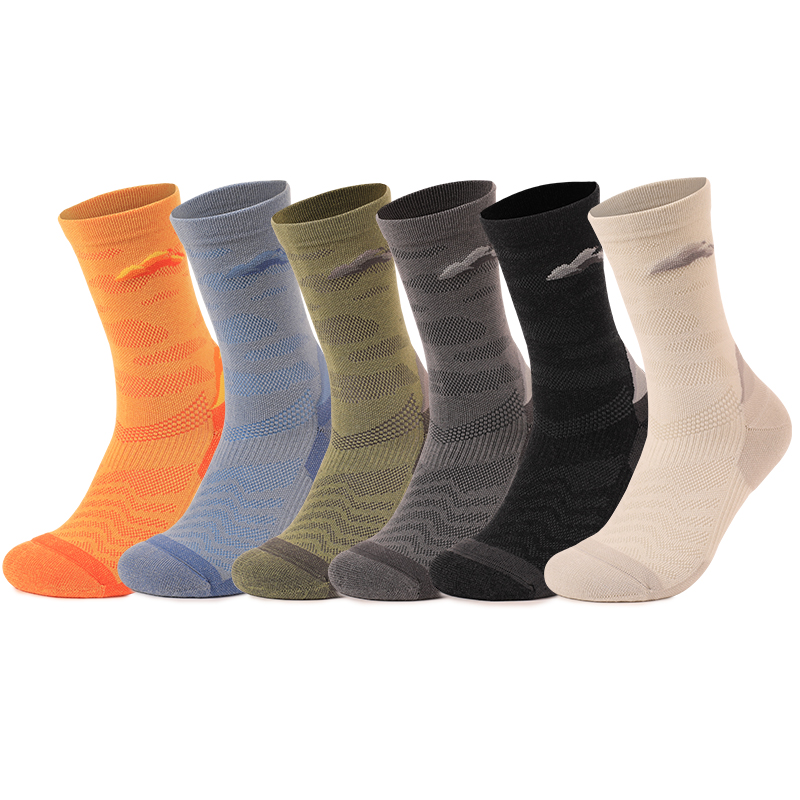
Comfort rarely announces itself. It settles into the background, a careful alignment of pressure points and temperature gradients that most of us never consciously notice. Take the seat you're in right now—chances are its curves weren't accidental. Engineers spent months mapping how your weight distributes, where your spine needs support, and how materials compress over time. The result is a quiet triumph of ergonomics, invisible precisely because it works.
Then there's the matter of microclimate. The layer of air trapped between your skin and the fabric isn't just there; it's designed. Permeability ratings, moisture wicking rates, and thermal resistance all get tweaked to manage sweat and heat without you ever feeling damp or chilled. It's why some chairs feel breathable while others turn sticky after an hour—a difference engineered at the fiber level.
Even the sounds around you have been shaped for comfort. The gentle hum of an HVAC system, the muted click of a door latch, the absence of high-frequency whine from electronics—each is a deliberate choice. Acoustic engineers work to mask harsh noises while preserving ambient cues that make a space feel alive. Comfort, it turns out, isn't just about plushness. It's a carefully orchestrated sensory experience that thrives on staying hidden.
What Manufacturers Don’t Want You to Know
Behind the glossy ads and sleek packaging, many brands quietly trim corners where you’d least expect. That “premium” appliance might share the same flimsy internal parts as a budget knockoff, just with a nicer logo stamped on the front. Even the claimed materials—say, “genuine leather” or “solid wood”—often turn out to be cleverly engineered composites designed to mimic quality while keeping production costs laughably low. They count on you never looking past the surface.
Obsolescence isn’t always accidental—it’s engineered. From sealed batteries that force you to toss an otherwise perfectly good gadget, to software updates that mysteriously slow down last year’s model, manufacturers bake in expiration dates you’re not supposed to notice. That “durable” product was built to fail just after the warranty runs dry, nudging you back into the checkout line instead of the repair shop. The irony? Most of those failure points could have been avoided with a few cents’ worth of better parts.
Your best defense is skeptical curiosity. Check if replacement parts exist before you buy—if the manufacturer sells none, that’s a red flag. Dive into independent teardowns and user forums instead of swallowing influencer testimonials whole. Once you realize that loyalty is just a line item on their quarterly report, you’ll start treating bold claims as questions to be investigated, not promises to be trusted.
Beyond Basic: The Sock That Thinks for Your Feet
Most socks just sit there, hoping you don't notice the dampness creeping in after a long day. This one does more. It tracks pressure points, adjusts to your stride, and even nudges you when it's time to ease off. No flashing lights or cryptic apps—just a quiet awareness woven right into the fibers.
Imagine finishing a run and realizing your left foot landed a bit too hard. Instead of guessing, you'd already know. The sock pulses softly to shift your weight mid-stride, learning your habits over time like a patient coach. It’s not about piling on data—it’s about making that data feel invisible.
Wash it, wear it, forget about it. The tech stays out of the way until you need it. No charging, no pairing—just a smarter layer between your skin and the pavement, turning everyday steps into something that actually listens.
From Sheep to Summit: The Untold Journey
Everyone starts somewhere—often in places that feel small, quiet, even invisible. Like a sheep grazing in a wide field, unnoticed yet full of potential. The climb from that humble beginning to the summit of achievement rarely follows a straight path. It’s marked by detours, storms, and moments of sheer doubt. But each stumble etches a lesson into the soul, and every setback whispers a truth that guides the next step upward.
The journey isn’t about sudden transformation or overnight success. It’s about the slow, deliberate shedding of old skins—the fears that once held you back, the comfort of the familiar herd. At some point, you realize the summit isn’t a place to conquer but a version of yourself to uncover. The sheep doesn’t just become a climber; the sheep discovers that the mountain was always within, waiting for the courage to rise.
What makes this journey untold is that it happens in the quiet moments: the predawn hours of practice, the lonely decisions to keep going when no one is watching. It’s a story written in sweat and small victories, never meant for headlines but for the deep satisfaction of having lived fully. From sheep to summit, the arc is neither glamorous nor loud—it’s profoundly human.
How Smart Design Keeps Blisters at Bay
Friction is the silent culprit behind most blisters, and clever design directly targets this root cause. By studying how skin stretches and rubs against materials, designers create surfaces that minimize shearing forces. Seamless constructions, carefully placed padding, and materials with a slight slip—”like a second skin”—help distribute pressure evenly. This isn't just about comfort; it's about preventing that painful separation between skin layers before it starts.
Moisture management is another unsung hero. When sweat accumulates, friction increases dramatically, turning a minor rub into a blister factory. Smart gear integrates breathable panels and moisture-wicking channels that pull dampness away from vulnerable areas. Some designs even incorporate hydrophobic zones in high-risk spots, keeping the surface dry and slick against motion. Pair that with anatomically shaped contours that match natural foot or hand curves, and you have a system that moves with the body instead of fighting it.
The final piece is material evolution. Modern composites and hydrophobic membranes adapt to both movement and environment, flexing without bunching up. Strategic ventilation ports cut down on heat buildup, which softens skin and makes it more prone to damage. It's a blend of biomechanics and material science—every seam, curve, and layer is a deliberate barrier against that all-too-familiar sting.
FAQ
They cut down on blisters by wicking sweat away fast and cushioning impact with a dense, springy knit that doesn't pack out over miles.
The toe seam is hand-linked flat, so there's nothing rubbing against your skin, and a touch of compression in the arch keeps the sock from bunching mid-stride.
Absolutely—merino fibers breathe when it's warm and trap heat when temperatures drop, creating a microclimate that adapts to your output and the weather.
Merino can absorb about a third of its weight in water without feeling wet, pulling vapor away from the skin before it turns into sweat—synthetics mostly just repel or move liquid after it forms.
A ribbed cuff and targeted elastic zones grip gently, while the stretchy knit conforms to the foot's shape without constricting blood flow, even on all-day treks.
A tight twist in the yarn and a blend with high-tenacity nylon add serious abrasion resistance, plus reinforced heels and toes fend off the usual early-wear spots.
Toss them inside out in cold water on a gentle cycle and skip the dryer—air drying keeps the loft and prevents the fibers from felting, so they stay cozy hike after hike.
Conclusion
Merino wool hiking socks have earned their place as a trail essential not by chance but through a blend of nature’s ingenuity and clever manufacturing. The secret lies in the fiber itself: ultrafine merino wool wicks moisture away from the skin while trapping warm air, keeping feet dry and comfortable across a wide temperature range. But it’s not just about the wool—manufacturers combine it with hidden engineering touches, like targeted cushioning that absorbs impact on descents and flatlock seams that prevent irritation. These socks are designed to think for your feet, with strategic ventilation zones that release heat and snug arch bands that prevent slipping, all working silently to keep blisters at bay.
The journey from sheep to summit is a story of meticulous selection and treatment. Only the longest, finest fibers make the cut, then undergo processes to remove itch and enhance durability. Smart design extends beyond basics: reinforced heels and toes resist wear, while graduated compression subtly boosts circulation during long treks. Many manufacturers guard these details as trade secrets, but the result is a sock that adapts to the foot’s movements, reduces friction, and keeps you focused on the trail ahead. The real power is a partnership between evolved wool and human innovation, all woven into a simple garment that makes every step a little more comfortable.
Contact Us
Contact Person: Tiga
Email: [email protected]
Tel/WhatsApp: 8613058331729
Website: https://www.china-socksfactory.com/