

Inside a Leading Silicone Sealant Factory and What Makes Its Products Reliable
2026-11-22
Behind every durable sealant joint that resists weather, movement, and time is a manufacturing process most people never see. From raw silicone polymers to final cartridge filling, precision at every stage determines whether a product will hold strong or fail early. At Baolongda Group, that attention to detail is not left to chance. This inside look explores what actually happens on the factory floor and why those behind-the-scenes choices make sealants more reliable in the field.
The Base Polymer Room and What It Sets in Motion
The room itself is rarely quiet. Even before the first hopper opens, there is a low vibration running through the floor, a mix of air handlers and the distant churn of feed screws waiting for resin. The air carries the slightly waxy smell of virgin pellets and the sharper note of stabilizers. Here, the base polymer stops being an abstract spec on a datasheet and starts behaving like a material with opinions—how it flows, how it clings to metal, how it remembers heat.
What gets set in motion is rarely just the extruder. A single grade change in that room moves inventory, shifts tooling downstream, and forces the lab to recheck melt flow at odd hours. Operators adjust temperatures in small, deliberate increments. Someone logs a barrel profile. Somewhere else, a packaging line slows or speeds up without anyone issuing a memo. The base polymer room, in that sense, acts less like a single step and more like a pulse that other departments feel before they fully understand why.
The real output is not only pellets or sheet. It is a chain of decisions that begins the moment a particular lot is released. The room sets tolerances, scrap rates, even the way a finished part will sound when it clicks into place. Ignore what happens there, and the effects appear later as warped edges, off-color batches, or a line that runs perfectly until it suddenly does not.
Where Fillers, Additives, and Timing Decide Batch Quality
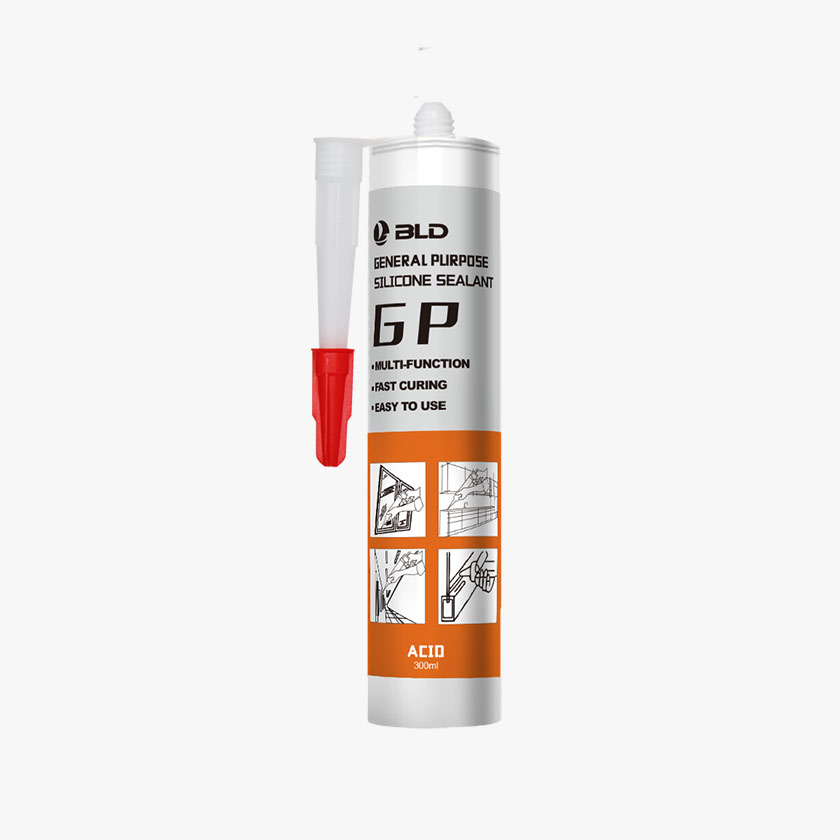
The way a filler enters the mixer often matters more than the percentage printed on the batch card. Dropping the full amount in at once can create agglomerates and force the mixer to work against its own shear curve. Adding the same filler in two stages, with a short pause for wet-out, usually produces a smoother dispersion and leaves fewer weak spots after curing.
Additives run on their own clocks. A wetting agent introduced before the first filler load changes surface contact entirely, while the same additive added after the powder has packed in only coats the outside of clumps. Heat-sensitive modifiers are worse: they can lose their structure if they sit in a hot, high-shear zone too long, leaving the batch with lower impact resistance and no obvious visual warning.
Timing ties these choices together. A batch that meets viscosity targets immediately after mixing can still drift during storage if the sequence was forced. The problems appear later as color streaks, warpage, or uneven shrinkage on the line. Paying attention to when each component is introduced turns the formulation into something operators can actually reproduce, not just a set of numbers that looks good on paper.
Small Measurement Shifts That Show Up Later on the Job
During training, a half-millimeter drift on a caliper or a tiny angle error hardly seems worth mentioning. The part still fits, the measurement still lands inside the tolerance band, and nobody flags it. But once the same pair of hands moves into live work, that slight bias starts acting like a slow leak. A cut that runs a fraction long on a practice piece becomes a batch of panels that need extra sanding. A fixture set a little off square feels harmless for the first two assemblies, then turns into a drawer that scrapes after the humidity changes.
The real trouble is that these shifts rarely announce themselves. They hide inside acceptable readings until the job adds repetition, material variation, and fatigue. A technician may not notice that they always read the low side of the line, or that they load a part against the same worn stop. Weeks later, the symptom shows up somewhere else: a return for a misaligned latch, a seal that wears unevenly, a run of holes that need reaming after powder coat. By then the measurement itself looks fine on paper, so the team chases the wrong cause.
Catching the pattern early matters more than correcting a single reading. One practical habit is to record not just the number but the setup, the tool, and the hand position when the measurement was taken. If a shift repeats across jobs, that is more useful than any single out-of-tolerance flag. Small personal errors tend to become consistent under pressure, and the best fix is usually an adjustment to the method, not a lecture about being careless.
Tests That Simulate Years of Joint Movement in Days
A testing rig doesn’t need decades to reveal how a knee implant will hold up. Modern joint simulators compress all that walking, bending, and pivoting into an accelerated timetable, letting engineers watch a device pass through millions of cycles before lunch. The machines use hydraulic or electromechanical actuators to mimic the angles and loads of real gait, while a temperature-controlled fluid bath stands in for synovial fluid. That setup turns what would normally be a ten-year service life into a matter of weeks.
What makes the data useful is the repetition with variation. Instead of running one motion over and over, the better rigs alternate between walking, stair climbing, and deep flexion, so the wear pattern doesn’t become an artifact of a single scripted path. Sensors track torque, displacement, and surface roughness as the parts grind together, and the resulting debris is collected and measured. A sudden spike in wear particles often signals a design flaw that would otherwise have stayed hidden until patients started reporting pain.
Even with the acceleration, there is still a craft to reading the results. A simulator can show how polyethylene liners scuff or how a ceramic head wears against a metal cup, but it can’t fully recreate the messiness of real bodies, with their uneven bone support, soft tissue tension, and unpredictable loading. That’s why the most convincing validation comes from pairing these bench-top marathons with retrieval studies of implants that have already been inside patients for years.
Why a Steady Cure Profile Often Beats a Faster One
A shorter cure cycle looks efficient on paper, but the real test is what happens inside the material during those extra degrees of heat or accelerated hardener activity. Fast schedules tend to concentrate exotherm near the center, create uneven crosslink density, and leave the surface fighting to keep up with the core. The result is often a part that feels ready before the chemistry has actually settled.
A steady cure profile spreads the same total energy over a longer window, giving heat a chance to move without piling up and letting the polymer network form in a more orderly way. Shrinkage gradients relax before they can lock in stress, volatiles escape without blistering, and the bond line or coating develops better adhesion because the interface sees less early strain. In many cases, this translates to higher long-term strength, fewer microcracks, and a more predictable surface finish than a faster ramp would deliver.
The practical question is not just how quickly a material can be demolded, handled, or put into service. It is whether the cure profile leaves the part with internal conditions that will stay stable over time. A steady, slightly slower schedule often wins because it protects the properties that are hardest to inspect after the fact—residual stress, interfacial contact, and the uniformity of the cured network.
Feedback from the Field That Feeds the Next Mix
Real notes from the ground rarely arrive tidy. A grower in the valley might mention, almost as an afterthought, that the latest blend held moisture a day longer than expected, while someone farther north sends a photo of roots pushing through heavier clay. Those fragments get pinned to the wall, not because they are polished, but because they point to what the next mix should actually do.
We treat that feedback as raw material. It gets folded into early trials, tested against weather data and soil readings, then argued over until a clearer pattern emerges. Some of the most useful changes have come from a single voice in the field that contradicted the spreadsheet. The next mix is not built from assumptions; it is built from those contradictions.
By the time a new blend reaches the bag, it already carries the marks of real fields, real failures, and small wins that were too specific to ignore. That loop is deliberately messy, and it keeps the next round grounded in what growers actually see when the season turns.
FAQ
Most areas are divided into raw material storage, mixing, filling, and curing zones. You will notice long rows of stainless steel mixing vessels, automated filling lines, and sealed pipes moving base polymer from one stage to the next. The floor is usually kept clean and dry because moisture can trigger premature curing.
Each incoming lot is sampled and tested before release. Common checks include viscosity, moisture content, and adhesion on reference substrates. If a silicone polymer or filler does not match the approved profile, it is quarantined and returned or rejected, so the final formula stays consistent.
Silicone sealants are sensitive to heat. If the mixer runs too hot, the crosslinker or catalyst may start reacting early and shorten shelf life. If it is too cold, fillers and additives may not disperse evenly. Most production rooms keep a narrow temperature band and use jacketed mixers to remove heat build-up.
Finished batches usually go through appearance checks, extrusion rate, slump, tack-free time, tensile strength, elongation at break, and adhesion on glass, aluminum, or concrete. Some factories also run accelerated aging tests to catch problems that would only appear after months on a building.
Look beyond the label. Reliable products usually have clear technical data sheets, batch traceability, and consistent cure behavior. In practice, a good sealant should form a firm skin within the stated time, cure evenly in a warm humid environment, and remain elastic after full cure instead of turning brittle or chalky.
Vacuum mixing removes trapped air and moisture from the paste. If air stays in the sealant, it can create bubbles in the bead and reduce strength at joints. Removing moisture is just as important because moisture can start the curing reaction inside the cartridge and ruin shelf life.
Retained samples allow the factory to trace any customer complaint back to a specific production lot. If a sealant fails on site, technicians can test the retained cartridge, compare it with the original batch record, and determine whether the problem came from manufacturing, storage, or application.
Consistency comes from tight raw material specs, automated dosing of small ingredients like catalysts and adhesion promoters, regular equipment calibration, and final batch testing against fixed limits. Factories that skip small-batch pilot trials or rush curing tests tend to produce more variation, even if the formula looks similar on paper.
Conclusion
Reliability in a silicone sealant starts long before a tube reaches a jobsite. In the base polymer room, technicians monitor the backbone chemistry that determines adhesion, elasticity, and weather resistance. If the polymer’s viscosity or reactive groups drift even slightly, every downstream stage inherits that instability. The mixing floor adds another layer of control: fillers and additives are introduced on a strict sequence, and batch timing is watched just as closely as the ingredient weights. A few grams off, or a short dispersion cycle, may not show up in the mixer, but it can surface weeks later as gassing, slump, or uneven tooling on a façade.
What separates a dependable plant from an average one is how it validates those decisions. Samples are stretched, compressed, and weathered in chambers that compress years of joint movement into days. Rather than chasing the fastest cure, the formulation team often holds a steadier profile, which gives installers more predictable open time and reduces internal stress in the seal. Field reports then return to the lab, where they shape the next round of raw-material adjustments. That loop, from polymer room to finished cartridge and back again, is what keeps the product consistent when it finally meets weather, movement, and time.
Contact Us
Contact Person: Charles
Email: [email protected]
Tel/WhatsApp: +86-0536-3350888
Website: https://www.baolongda.com/