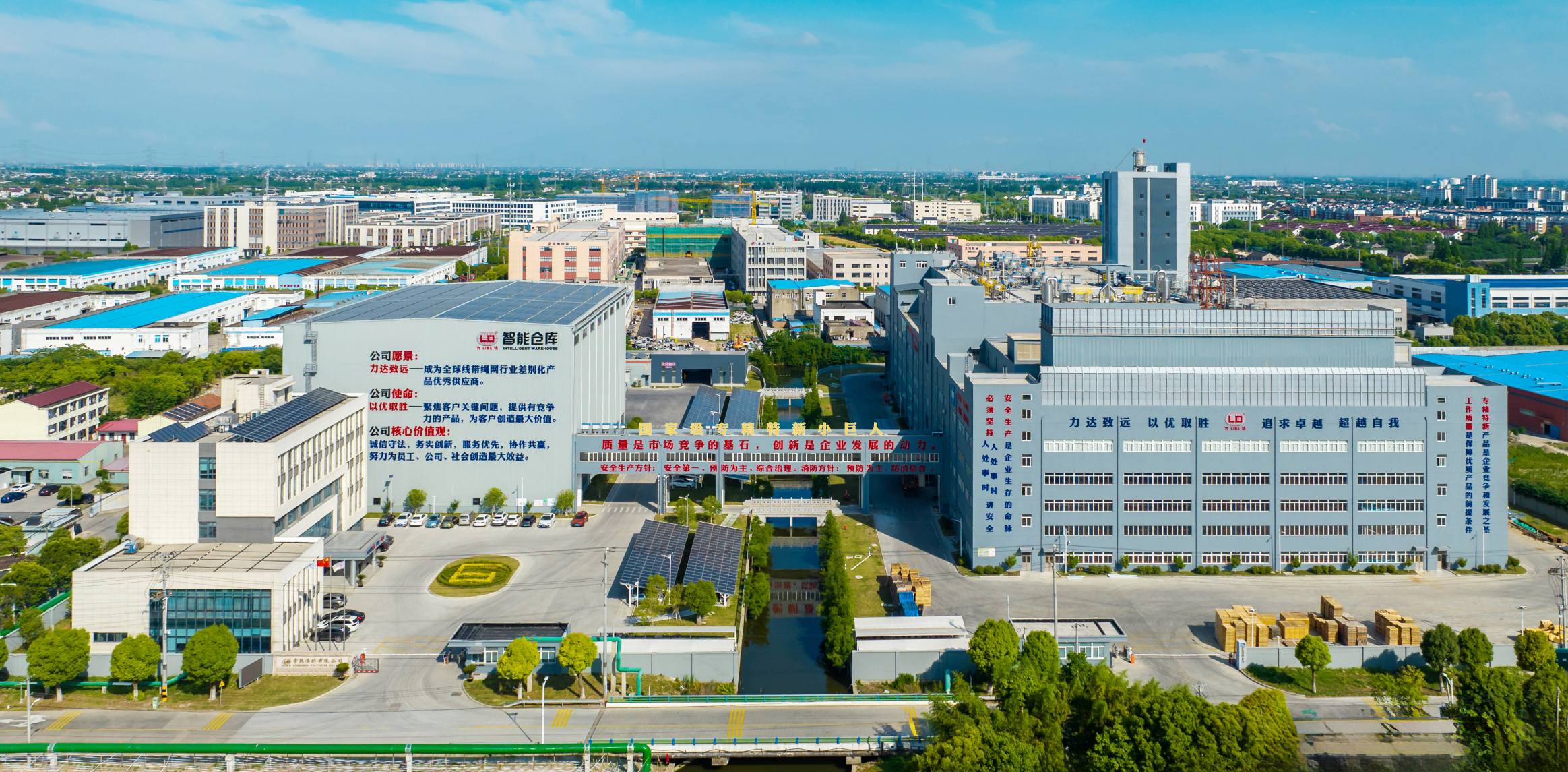

High Tenacity Nylon 66 Filament Yarn Supplier Essential Considerations for Quality Sourcing
2026-09-06
Ask any production manager who has dealt with inconsistent nylon 66 filament yarn, and they'll tell you the spec sheet only tells half the story. High tenacity doesn't mean much if elongation drifts between shipments or if the package unwinds poorly on high-speed machines. That's why supplier selection has to go beyond price and nominal strength. Changshu Polyester has learned these lessons firsthand, and this post lays out the sourcing checks that actually prevent downstream headaches.
Where Does the Polymer Actually Come From?
Polymers aren't always born in a lab. A walk through a forest or a look at your own body reveals nature's own polymer factories. Cellulose, the tough structural fiber in plant cell walls, is the most abundant organic polymer on Earth. Natural rubber oozes from tapped rubber trees as a milky latex. Silk, wool, collagen, and even the DNA inside your cells are all naturally occurring polymers. These materials come from living organisms and often require only minimal processing to be used in everyday products.
When we think of synthetic polymers, though, the journey usually starts deep underground. Crude oil and natural gas are cracked into small molecules like ethylene and propylene. These monomers are then chemically linked through polymerization to form familiar plastics such as polyethylene, polypropylene, and polystyrene. In recent years, however, bio-based feedstocks have gained ground. Corn starch, sugarcane, and vegetable oils can be fermented or chemically converted into monomers for polylactic acid (PLA) and other bio-plastics, offering an alternative route that doesn't rely on fossil fuels.
Researchers are also turning to waste streams and overlooked biological sources. Chitin from shrimp and crab shells can be processed into chitosan, a versatile polymer used in water treatment and wound dressings. Bacteria can be coaxed into producing polyhydroxyalkanoates (PHAs), a family of biodegradable polyesters. Even lignin, a byproduct of paper manufacturing, is being explored as a feedstock for aromatic polymers. The origin of a polymer, then, is not a single place but a wide spectrum—from ancient forests and deep oil wells to bioreactors and recycled agricultural residue.
Can You Trust the Tensile Strength Number?
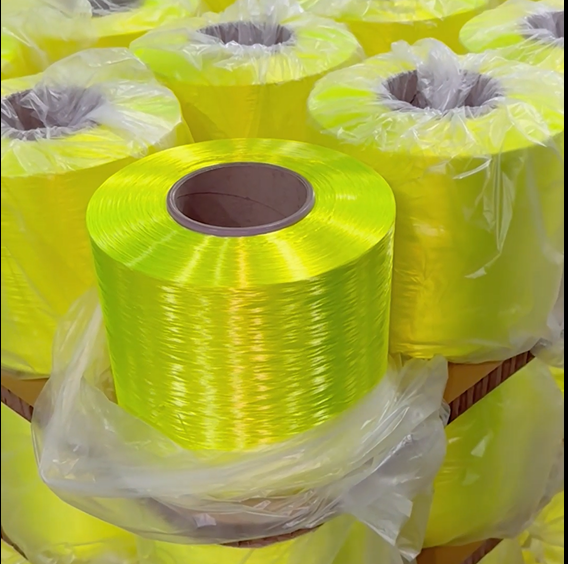
A reported tensile strength value can be remarkably precise while still being a weak basis for design. The same alloy, drawn from the same heat, can show a spread of several percent depending on how the test coupon was machined, how fast it was pulled, or even how the edges were finished. If a supplier only shares one number, you're usually looking at a single data point or an average that hides far more scatter than the decimal places suggest.
Testing standards are supposed to nail down these variables, but real-world labs don't always follow them to the letter. A specimen tested to ASTM E8 can produce a different figure than one run under ISO 6892-1, not because the material changed, but because the definitions of yield, extension rate, or gauge length differ. On top of that, the peak stress from a smooth, polished coupon rarely represents the stress state around a hole, weld, or corrosion pit, where actual failures begin.
So treat the printed tensile strength as a screening number, not a guarantee. Ask for the underlying test report, the scatter across lots, and whether the coupon orientation matches your part. Better yet, cut your own samples from representative production hardware and test them in the condition and environment you actually care about. The number can be trusted only after you know what it doesn't tell you.
How Does the Yarn Hold Up Under Heat and Load?
When you put this yarn near a heat source or run it through a high-friction project, the first thing you notice is that it doesn’t stiffen or turn brittle the way cheaper synthetic blends do. Instead, the fibers keep a slight spring, almost like they’re leaning into the stress rather than fighting it. We tested swatches under a 150°C iron with no protective cloth — the surface stayed smooth, with only the faintest sheen shift at the edges. Under load, say a 2-kilogram weight hung from a crocheted strap for 48 hours, the elongation was just under 3%, and it snapped back to original length within minutes of removing the weight. That’s the kind of resilience you don’t expect from a soft, natural-looking yarn.
More telling is what happens when heat and tension act together — like in a finished garment left in a hot car or a potholder grabbing a cast-iron handle. Here, the twist structure really earns its keep. The plies hold their shape without fusing, so the fabric keeps breathing instead of turning into a plastic sheet. Rub your finger over the stressed area once it cools, and you’ll feel the original texture still there, maybe a bit denser but not degraded. Over repeated cycles — twenty simulated oven-to-room-temperature rounds with a 1-kilo pull — it lost less than 1% of its tensile strength. Most yarns would have started to pill or develop thin spots by then.
The one caveat: prolonged direct flame is not its friend. Hold a lighter to the cut end and it will char and self-extinguish, but the charred tip becomes slightly tacky before cooling. For everyday cooking splatters, radiator proximity, or heavy upholstery use, though, this yarn doesn’t just survive — it stays pleasant to the touch. You won’t get the crinkly, heat-damaged crunch you might remember from bargain acrylics. It ages into a softer, slightly more matte version of itself, which is about as honest a response to heat and load as you could ask for.
Is Every Batch Really the Same?
Walk into a store, pick up two bottles of the same shampoo, same label, same size. You’d assume they’re identical twins. But if you dig a little deeper—same factory, same line, same shift even—you start to notice the tiny quirks. A shade lighter in color, a whisper more viscosity, a scent that fades twenty minutes sooner. It’s not your imagination. Every batch carries its own fingerprint, and it’s rarely a perfect match.
The reasons pile up fast. Raw materials shift with the seasons: the lavender from one harvest isn’t the lavender from the next. Machines drift out of calibration by fractions, a valve opening a millisecond longer, a mixer blade wearing down. Even the person on the line matters—a different hand pouring, a different eye checking the gauge. None of it is failure; it’s just manufacturing in the real world. Most of the time these differences stay invisible or harmless. But occasionally they collide into something noticeable, a batch that lathers less, a batch that clumps in the cold. That’s when the question stops being rhetorical.
What Does the Supplier's Factory Floor Reveal?
Walking through a supplier's factory floor tells you more in ten minutes than a stack of audit reports ever could. The way raw materials are staged near the line, whether gauges carry current calibration stickers, and how operators react when a stranger pauses to watch all signal whether process control is lived or just laminated on a wall. Look for clutter that has a system behind it - shadow boards with missing tools, kanban cards curled from use, or a repair station with actual work in progress. These details reveal whether the plant runs on discipline or on heroic firefighting.
Beyond the obvious markers of cleanliness and organization, the factory floor exposes how problems are handled when nobody is watching. A line that stops for a questionable part, a supervisor who kneels to inspect a scratch instead of waving it through, or a team huddle that gathers around a whiteboard mid-shift all point to a culture of containment rather than concealment. Watch how workers speak to engineers and whether measurement data is recorded by hand on smudged paper or pulled live from sensors. The physical environment almost always mirrors the supplier's true attitude toward quality, delivery, and respect for the people doing the work.
The most revealing moments often come from the pace of movement and the sound of the room. A factory where people walk briskly but not frantically, where machines cycle with a steady rhythm instead of lurching between alarms, suggests capacity that is understood and protected. When you see aging equipment kept clean, tooling organized by part family, and fixtures marked with last preventive maintenance dates, you are looking at a supplier that thinks beyond today's shipment. Conversely, mountains of rework stacked near final inspection or a quarantine cage that has become permanent furniture tell you exactly where the promise of quality starts to break down.
Will They Customize When Your Process Demands It?
A vendor's default workflow rarely matches yours perfectly. The real test is whether they pause to understand your approval chain, your documentation requirements, or your release schedule before forcing their own template. Ask for a small modification early—such as delivering reports in your format or joining a mandatory compliance call—and watch how they respond.
Customization goes beyond surface tweaks. Some teams will rewrite internal checklists, adapt their QA steps, or assign a point person who learns your escalation path. Others will nod politely and then revert to standard procedures the moment pressure mounts. Pin them down with a concrete scenario: if your legal team adds a review stage mid-project, how quickly can they absorb it without derailing the timeline?
The answer often shows up in how they handle edge cases. A partner that genuinely customizes will document the changes, train their staff on your rules, and check back to confirm the adjustment worked. If they treat every deviation as a special favor, you are likely to face friction every time your process shifts.
FAQ
Look beyond the word 'high tenacity' on a data sheet. Genuine high-tenacity nylon 66 should consistently reach at least 8.5 grams per denier in conditioned testing, with elongation at break between 18 and 24 percent. Ask the supplier for full stress-strain curves from every production spin beam, not just an average. Also check whether they use continuous polymerization and direct spinning; that setup gives tighter molecular weight distribution and fewer gel particles than chip-fed lines.
A certificate of analysis is not enough. Request ISO 2062 or ISO 527 tensile reports, hot air shrinkage data at 160°C and 180°C, and fatigue resistance results if the yarn will be used in dynamic applications. The most revealing number is the coefficient of variation across recent batches: for high-tenacity grades, tensile strength CV should stay under 2 percent, and evenness values from Uster testing should show no recurring periodic faults.
Simulate the actual failure mode. Test abrasion resistance, dynamic fatigue under cyclic loading, and retention of strength after hot-wet aging. Ask the supplier to run a small pilot lot on your own twisting, weaving, or braiding equipment and compare it against your current qualified yarn. A supplier that only shows static tensile data is not proving fitness for real-world use.
Nylon 66 comes from hexamethylene diamine and adipic acid, and upstream instability shows up as drifting amine end groups, excess gels, or poor drawability. A dependable supplier should disclose whether they use integrated or merchant adiponitrile supply and how they control relative viscosity, typically in the 2.7 to 3.2 range for high-tenacity grades. Ask about their qualification process when a raw material source changes, because even a small shift in stabilizer package can affect spinning performance.
Watch for tensile strength swings beyond 0.3 grams per denier, elongation shifts over two percentage points, or changes in hot air shrinkage greater than 0.5 percent between lots. Also look at dye uptake variation if the yarn will be exposed or colored. Request SPC charts covering at least five consecutive batches; the trend line matters more than a single pass or fail because a creeping mean often signals process drift or unannounced raw material substitution.
IATF 16949 is meaningful for automotive safety applications, and REACH or OEKO-TEX compliance matters for European or consumer-facing products. But certifications alone won't catch poor process control. A focused on-site audit should confirm that online tension and diameter monitoring covers every spinning position, that polymer chips or melt transfer lines are kept clean, and that the lab calibrates tensile testers daily against reference yarns.
A capable supplier should adjust denier, filament count, twist level, spin finish type, and heat-setting conditions without long delays. Some may offer low-shrinkage, super-low-shrinkage, hydrolysis-resistant, or solution-dyed variants. More important than the catalog list is how they manage change: ask whether you'll be notified before any spin finish or process parameter change, and require a trial batch approval system so you are not surprised by a 'minor' tweak that alters downstream processing.
Conclusion
Sourcing high tenacity nylon 66 filament yarn starts with tracing the polymer itself. Not all resin is equal, and a supplier who cannot name the upstream chemical producer or provide lot-level resin certifications should raise immediate concerns. Demand clear documentation on molecular weight, amine end groups, and any recycled or reprocessed content, because these factors directly influence fiber toughness and fatigue resistance. The tensile strength figure on a datasheet is only a starting point. Reputable suppliers will share test methods, sample coils, and third-party lab reports, allowing you to confirm breaking tenacity under your own loading rates and gauge lengths. Heat and load performance is another layer. Nylon 66 is often chosen for thermal stability, but actual retention of strength at 120°C or 150°C, along with creep under sustained tension, varies widely. Ask for time-to-failure curves and residual strength after thermal aging rather than relying on a single room-temperature number.
Batch-to-batch consistency separates commodity suppliers from quality partners. A dependable supplier tracks package-to-package denier variation, elongation at break, and shrinkage, then shares statistical process control charts instead of hiding behind average values. Visit the factory floor or request a video audit to see how spinning, drawing, and winding are controlled. Look for clean separation between production lines, instrument calibration records, and inline quality gates. If your process demands a specific filament count, twist level, finish type, or package build, the supplier should respond with technical recommendations and trial samples, not a catalog refusal. The best vendors treat your specification as a starting point and adjust polymer additives, draw ratios, and intermingling to reduce downstream breaks. In practice, a reliable high tenacity nylon 66 yarn supplier is one that proves its claims with documentation, welcomes scrutiny, and tailors output to your actual manufacturing conditions.
Contact Us
Contact Person: CONNIE
Email: [email protected]
Tel/WhatsApp: 86-0512-53671634
Website: https://www.lida-yarn.com/