

Flour Milling Machine Manufacturer: Revolutionizing Grain Processing with Cutting-Edge Technology
2026-05-18
In a world where efficiency and consistency define success, flour milling has become a high-tech endeavor. PINGLE, a trusted flour milling machine manufacturer, is at the heart of this revolution, delivering cutting-edge technology that transforms grain processing. Discover how innovation meets tradition in every machine.
Precision Engineering for Consistent Flour Quality
Achieving uniform flour quality starts with precision engineering embedded in every stage of the milling process. Advanced roller mills are calibrated with exacting gap settings and temperature sensors that adjust in real time, compensating for variations in grain hardness and moisture. This tight control ensures each particle is reduced to the same size range, minimizing flour heterogeneity. Paired with automated sifting systems that use multi-layered plansifter screens, the mill consistently separates bran, germ, and endosperm with micron-level accuracy. The result is a flour that performs predictably batch after batch, whether for artisan bread or high-speed pastry production.
Beyond mechanical precision, integrated process monitoring plays a critical role. Near-infrared analyzers scan flour streams continuously, measuring protein, ash, and starch damage in fractions of a second. Any drift from target specifications triggers micro-adjustments to the roll gaps or feed rates before it can affect the final product. This closed-loop system eliminates the guesswork often associated with traditional milling, where operators relied on periodic lab checks. By catching deviations early, precision engineering keeps the entire run within a tight analytical window, delivering flour that meets the strict demands of modern commercial baking.
The benefits extend further into handling and blending. Post-mill, flour is homogenized in computerized bins where multiple streams can be combined according to precise ratio algorithms, smoothing out any residual inconsistency from the grain supply. Pneumatic conveying systems designed with minimal dead zones and controlled air velocity prevent segregation by particle weight or size during transfer. These engineering details, often invisible, are what separate commodity flour from a truly consistent ingredient. Bakers notice the difference in dough rheology and final product volume, even though the science behind it happens silently inside a well-engineered plant.
Smart Automation Redefining Milling Efficiency
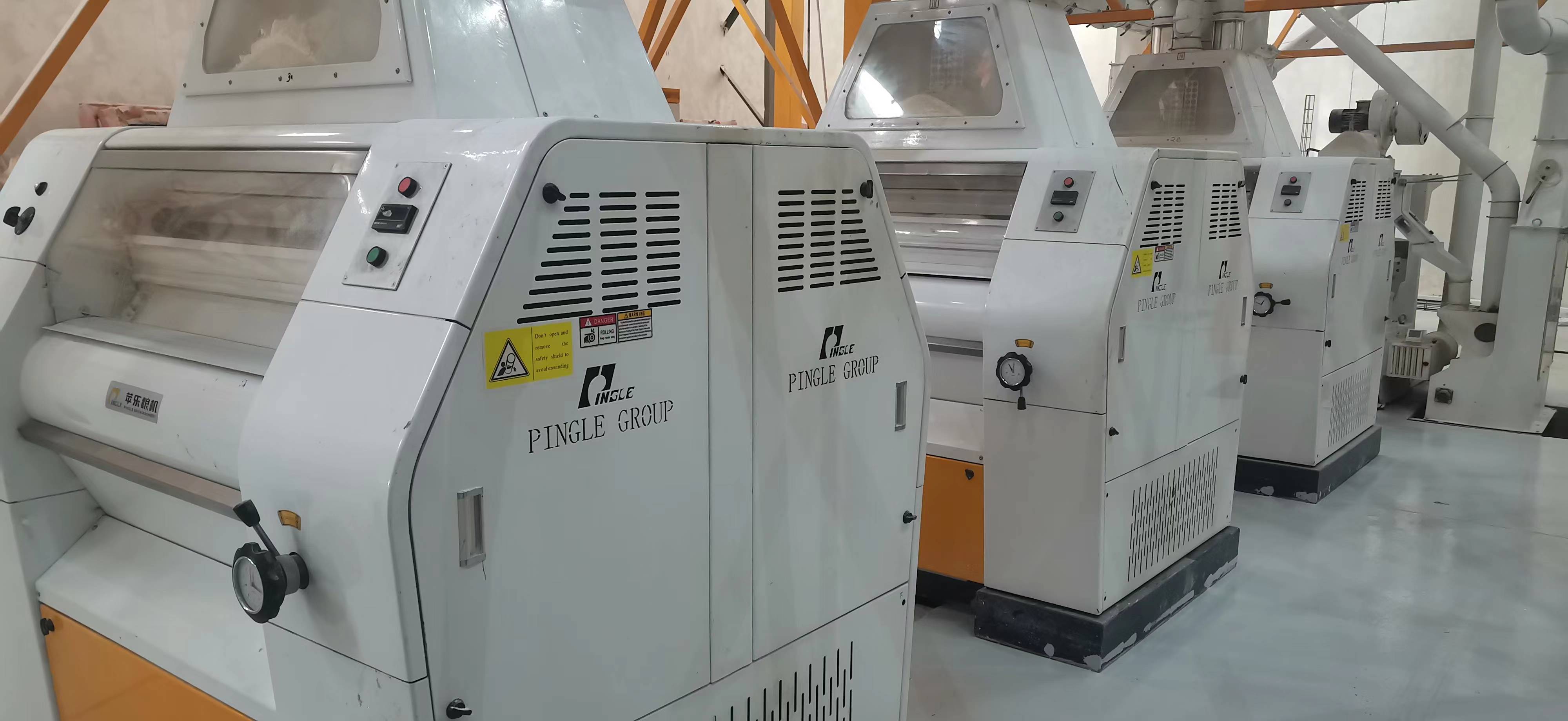
Milling processes are shedding their old reputation as rigid, labor-intensive operations. Today's smart automation weaves together sensor arrays, adaptive control units, and machine learning algorithms that continuously parse vibration patterns, tool wear indicators, and material inconsistencies. Rather than simply following pre-coded paths, the system adjusts spindle speeds, feed rates, and coolant flow in real time, essentially giving the machine the ability to feel its way through each cut. This shift has turned once-fixed parameters into fluid conversations between equipment and workpiece, slashing cycle times and reducing scrap without constant operator oversight.
One of the more practical leaps is the way these systems handle variability across batches. Raw stock rarely arrives with perfect consistency—slight hardness shifts or surface irregularities can throw off conventional programs. Automated milling cells now respond by dynamically remapping tool paths, swapping in alternate cutters from the magazine, or tweaking engagement angles on the fly. The result isn’t just fewer crashes but a quieter kind of efficiency, where the process absorbs disruptions instead of stopping dead. Shops are reporting 30–40% reductions in unplanned downtime, not because machines break less but because they correct course before a fault even registers.
Behind the scenes, data doesn’t simply vanish after a cycle finishes. Intelligent milling platforms archive every spindle load profile, torque signature, and acoustic trace, building a digital fingerprint of what a healthy operation looks like. When a subtle drift occurs—perhaps a bearing begins to degrade or a fixture clamp loosens—the system flags it against that baseline, often recommending maintenance weeks before a failure. It’s a move from reactive repairs to predictive rhythm, where efficiency is measured not just in parts per hour but in the uninterrupted flow of production across entire shifts. The controller on the floor is becoming less of a command center and more of a conversation hub, connecting the physical act of cutting with a broader manufacturing ecosystem.
Sustainable Solutions for Eco-Friendly Production
Rethinking how we manufacture goods starts with a fundamental shift in mindset — moving away from linear "take-make-dispose" models toward circular systems that prioritize regeneration. This involves designing products with their entire lifecycle in mind, from responsibly sourced raw materials to end-of-life disassembly. By embedding renewable energy into production processes and minimizing resource extraction, companies can drastically lower their carbon footprint while maintaining operational efficiency. It’s not just about doing less harm; it’s about actively creating restorative value through smarter, closed-loop supply chains.
One of the most overlooked opportunities lies in reimagining waste as a resource. Industrial symbiosis, where byproducts from one process become feedstock for another, can turn waste streams into revenue streams. For instance, captured carbon dioxide can be converted into construction materials or synthetic fuels, while organic waste from agriculture can fuel bioreactors. This approach demands cross-sector collaboration and a willingness to invest in innovative separation and purification technologies, but the long-term payoff is a production ecosystem that mirrors nature’s efficiency.
Equally critical is the role of material innovation in reducing environmental impact without compromising performance. Biobased alternatives to petroleum-derived plastics, self-healing composites, and biodegradable packaging engineered to decompose under specific conditions are already reshaping industries. However, adoption must be paired with rigorous lifecycle assessments to avoid unintended consequences — like land-use conflicts from biofeedstock farming. True sustainability comes from a holistic perspective where every production decision is weighed against ecological boundaries, ensuring that today’s solutions don’t become tomorrow’s problems.
Customizable Systems for Diverse Grain Varieties
Every grain, from quinoa to barley, has its own story—and its own processing needs. Our equipment adapts to that narrative. Instead of forcing a one-size-fits-all solution, we designed modules that can be reconfigured in hours, not days. Whether you"re switching between ancient grains and high-yield corn, the system"s interchangeable screens, adjustable threshing mechanisms, and variable airflows let you dial in the exact conditions without compromising throughput. It"s like having a conversation with the crop itself: listen, adjust, and unlock its full potential.
What sets this apart is the way the machine learns from your operations. After a few runs with a new grain, the preset memory saves optimal settings, turning tribal knowledge into repeatable success. You can even run mixed batches during seasonal transitions without cross-contamination—the quick-purge design flushes residual kernels in under three minutes. Field technicians often remark on the intuitive interface; operators spend less time consulting manuals and more time fine-tuning quality, because the controls are laid out like a familiar workshop tool, not a complex dashboard.
Consider the farmer who grows emmer wheat alongside rye and oats for a rotating cover crop. Traditional systems would require separate lines or tedious teardowns. With our approach, she simply selects a named profile, confirms the moisture range, and lets the adaptive feeder and cylinder spacing do the rest. The result? Consistent flour output with minimal broken kernels, season after season. It"s not just versatility for versatility"s sake—it"s a practical response to the real-world demand for diverse, local grain processing that doesn"t sacrifice efficiency.
Advanced Material Science for Longer Machine Life
The quest for extended machine longevity hinges on breakthroughs in material science, where innovative alloys and composites now resist wear, corrosion, and fatigue at levels once thought unattainable. By engineering microstructures at the atomic scale, modern materials deliver performance that directly translates to fewer breakdowns and lower maintenance costs.
Self-healing polymers and ceramic matrix composites are quietly revolutionizing industrial equipment. These materials not only withstand extreme temperatures and pressures but actively repair micro-cracks, preventing catastrophic failures. Their integration into critical components means machines can operate reliably for years beyond traditional service intervals.
Surface engineering techniques like diamond-like carbon coatings and advanced thermal spray coatings create robust barriers against abrasion and chemical attack. Such treatments, combined with smart material selection, ensure that moving parts glide with minimal friction while shedding contaminants, ultimately redefining the lifespan of heavy-duty machinery.
Data-Driven Operations for Predictive Maintenance
Modern industrial systems generate enormous volumes of sensor data that hold clues to future equipment behavior. By analyzing patterns in vibration, temperature, and usage cycles, maintenance teams can shift from scheduled routines to targeted interventions. This data-driven approach not only curtails unnecessary servicing but also pinpoints subtle anomalies before they cascade into breakdowns. The result is a more intelligent allocation of resources and a marked reduction in unplanned outages.
The real power lies in transforming raw telemetry into actionable foresight. Advanced algorithms continuously learn from historical and live data, refining their ability to forecast component wear with surprising accuracy. Instead of reacting to failures, operations become proactive—team members are alerted not by alarms, but by probability thresholds that signal impending degradation. This shift toward predictive intelligence creates a foundation where machinery operates near its peak, and downtime is no longer a costly surprise but a manageable event.
FAQ
They focus on integrating cutting-edge technologies like AI-driven process optimization and real-time sensor monitoring, which dramatically improve yield and consistency while reducing operational costs.
By automating critical adjustments during milling, such as roller gap settings and sifting speeds, the technology ensures precise control over particle size and flour quality, minimizing human error and waste.
The portfolio includes a full range from compact stone mills for artisanal use to high-capacity roller mills for industrial production, along with cleaning, tempering, and packaging systems for a turnkey solution.
Absolutely. They are engineered to handle diverse grains like corn, rice, barley, and pulses, with quick changeover features to adapt to different market demands without compromising efficiency.
Comprehensive support including on-site installation, staff training, 24/7 remote troubleshooting, and fast delivery of genuine spare parts ensures minimal downtime and consistent performance worldwide.
The machinery incorporates energy-saving motors, optimized airflow systems, and heat recovery mechanisms that lower power consumption and carbon footprint, aligning with modern environmental standards.
Conclusion
Precision-driven design and robust material choices form the backbone of modern flour milling equipment, enabling processors to achieve uniform particle size and texture batch after batch. By harnessing real-time data streams, these machines shift from reactive fixes to predictive maintenance, catching wear before it disrupts production and extending service life significantly. This proactive intelligence not only cuts downtime but also safeguards the delicate balance of grinding, sifting, and purifying that defines exceptional flour.
Smart automation takes center stage in streamlining operations, from automated feeder adjustments to self-optimizing roll gaps, slashing energy waste and labor demands. Tailor-made configurations adapt seamlessly to wheat, maize, rice, or ancient grains, letting millers pivot with market trends without costly overhauls. Sustainability is woven into every layer—energy-efficient motors, closed-loop water systems, and dust-free enclosures shrink the environmental footprint while meeting global eco-standards. Together, these advances forge a new era of milling where technology and tradition intersect to produce wholesome flours with minimized resource use.
Contact Us
Contact Person: Jiakuo Wu
Email: [email protected]
Tel/WhatsApp: +86-13011566087
Website: https://www.pinglemachine.com