

Flat Bottom Pouches in China: A Complete Sourcing Guide for Quality and Value
2026-05-28
Sourcing flat bottom pouches from China can feel like navigating a maze—countless suppliers, unpredictable quality, and hidden costs. But what if you could cut through the noise and find packaging that truly delivers on both durability and shelf appeal? In this guide, we’ll walk you through exactly what to look for, from material specs to production standards, helping you secure value without compromise. And when you’re ready to partner with a supplier that consistently meets global benchmarks, Kody is here to make your sourcing seamless.
Why Flat Bottom Pouches Are Redefining Packaging in 2025
Flat bottom pouches are quickly becoming the go-to choice for brands that want to stand out on crowded shelves. Unlike traditional stand-up pouches, their boxy shape offers a stable, upright display that doesn't tip over, giving products a premium, shelf-ready look. In 2025, as retail spaces get more competitive, that stability and visual appeal are helping both new and established brands capture attention without relying on bulky boxes or rigid containers.
Beyond aesthetics, these pouches are winning over manufacturers and consumers with their practicality. The flat base maximizes internal volume, meaning more product fits in less packaging material—a win for cost efficiency and sustainability. They also take up less space during transport and storage, cutting down on shipping expenses and carbon footprints. As the push for eco-conscious solutions intensifies, flat bottom pouches often use less plastic than alternative formats and are increasingly available in recyclable or compostable materials, aligning with both regulatory trends and customer values.
What really sets them apart in 2025 is their versatility across industries. From coffee and pet food to supplements and dry snacks, the resealable zippers, tear notches, and custom shapes cater to modern convenience demands. The large, expandable front and side panels provide a generous canvas for branding, letting companies tell their story vividly without the constraints of a conventional bag. This blend of function, form, and flexibility is why flat bottom pouches aren't just a passing trend—they are reshaping expectations for what packaging can do.
Navigating China’s Manufacturing Hubs for Premium Pouches
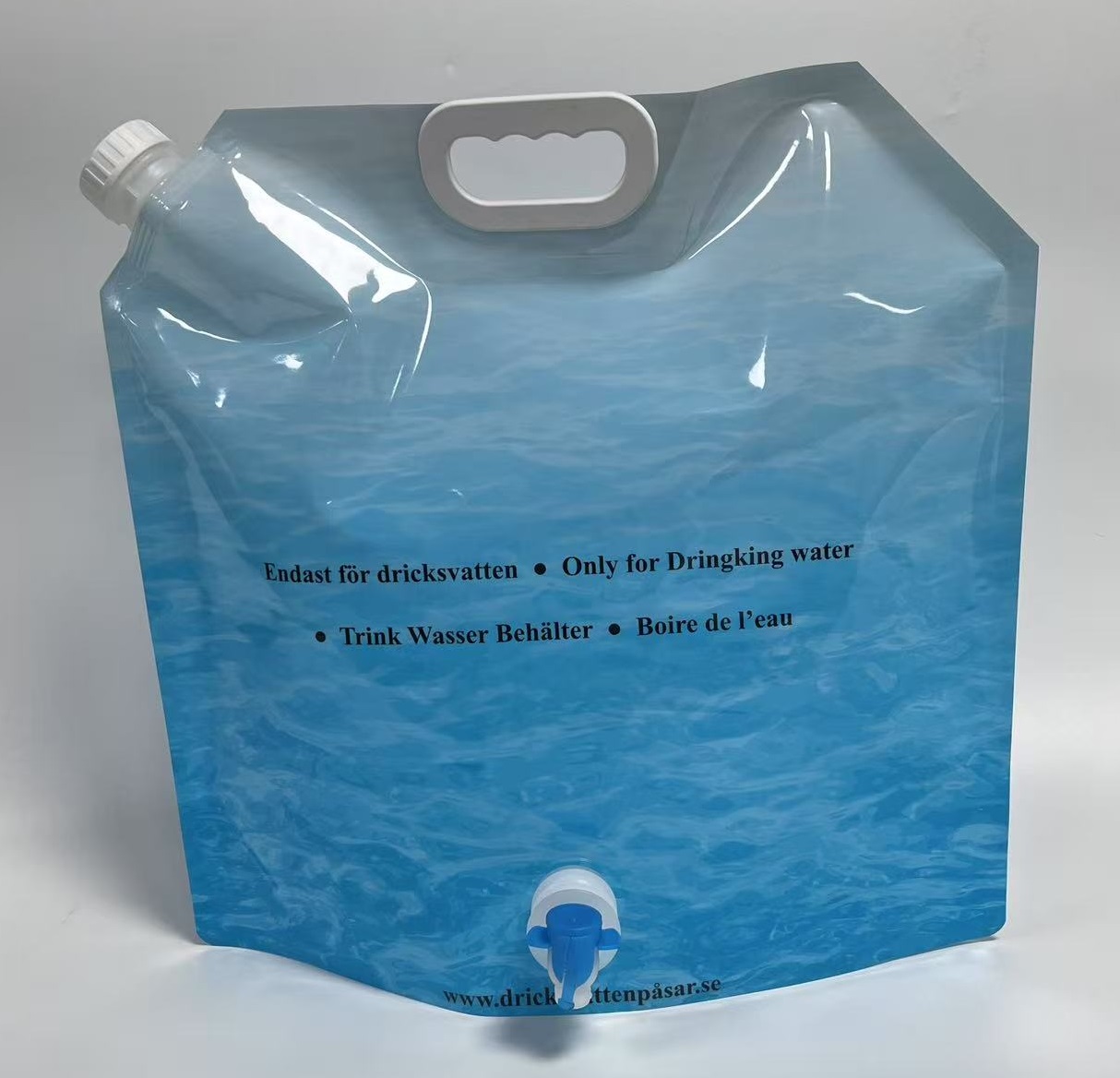
In the bustling production zones of southern China, cities like Shenzhen and Guangzhou have matured beyond simple contract manufacturing. They have evolved into innovation-driven ecosystems where engineers collaborate directly with international brands to refine every detail—from the snap of a magnetic closure to the hand feel of a matte laminated surface. This hands-on, iterative process is rarely visible to outsiders but becomes a critical advantage for companies seeking distinctive packaging.
Meanwhile, the Yangtze River Delta region leverages deep supply chain integration, particularly in specialty textiles and sustainable materials. Here, a pouch isn't just assembled; it’s conceptualized with input from fabric mills, zipper specialists, and print technicians who often work within a single industrial park. This concentration drastically shortens prototyping cycles and allows for rigorous quality control at a microscale, something fragmented supply chains struggle to replicate.
Beyond the technical capabilities, the human element often gets overlooked. The most skilled factory owners function less like contractors and more like material librarians, guiding clients through tactility, scent retention, and even the acoustic signature of a pouch—the crisp sound it makes when opened. Building a relationship with these hubs isn’t about transactional sourcing; it's about tapping into a collective obsession with the physical experience of packaging.
Material Matters: From Kraft to High-Barrier Laminates
Kraft paper has long been the go-to for simple, eco-friendly packaging—it’s renewable, recyclable, and carries that rustic charm. But when you need more than just a brown wrapper, like protecting sensitive foods from moisture or oxygen, it falls short on its own. That’s where high-barrier laminates step in, layering materials like aluminum foil, EVOH, or metallized films onto a kraft base to create a shield that locks out what’s harmful and locks in freshness. It’s a clever partnership: the outer kraft gives you the sustainable look and feel, while the inner barrier does the heavy lifting against the elements.
The real art is in choosing the right laminate structure. A coffee bag might only need a single layer of foil to keep the beans from going stale, but a stand-up pouch for ready-to-eat meals demands a multi-layer composite, maybe combining PET for strength, aluminum for total light blockage, and PE for sealability. Each material brings a specific property to the table—strength, clarity, or chemical resistance—and the trick is stacking them in a way that performs without overengineering. Too many layers and you risk stiffness, added cost, and recycling headaches; too few and you compromise shelf life.
Beyond performance, there’s the growing push to reconcile barrier needs with end-of-life thinking. Traditional multi-material laminates are notoriously hard to recycle because separating the layers is like un-baking a cake. But new developments are emerging: mono-material PE-based structures with high-barrier coatings, or water-based dispersion barriers that allow the whole package to go into the paper stream. It’s a shift that doesn’t just keep products safe—it also respects the fact that material choices ripple far beyond the shelf.
Pricing and MOQs: How to Balance Budget with Bulk Production
Navigating the tightrope between pricing and minimum order quantities (MOQs) often feels like a negotiation with gravity—lower costs pull you toward larger orders, while tight budgets anchor you to smaller batches. It’s not just a numbers game; it’s about finding that sweet spot where the supplier’s economies of scale meet your actual demand without drowning you in inventory. Start by mapping out your unit cost curve against various MOQ tiers. Sometimes a slight bump in per-unit price at a lower MOQ frees up cash flow and storage that would otherwise be eaten by overstock. Don’t be afraid to ask suppliers for a breakdown of how their pricing shifts with volume; many are willing to tailor an MOQ that fits your growth stage rather than their ideal production run.
Flexibility comes from how you structure the deal, not just the quantity. Consider phased deliveries: negotiate a larger total order for better pricing but split shipments over months to match your sales velocity. This turns a daunting bulk requirement into a manageable stream of goods while locking in cost advantages. Another lever is tweaking specs or packaging—without sacrificing quality—to align with a supplier’s existing production processes, which can lower their setup costs and, in turn, soften MOQ thresholds. Think of it as co-creating value rather than simply accepting terms. The goal is a partnership where both sides feel the risk is shared, not dumped entirely on your balance sheet.
Cash-strapped buyers often overlook the power of bundling across product lines. If you source multiple items from one manufacturer, combine smaller MOQs into a holistic order that still delivers bulk-like pricing. This not only smooths out unit costs but also strengthens your relationship with the supplier, making future negotiations less transactional. And when the math still doesn’t add up, look beyond the factory floor—group purchasing with complementary businesses in your network can aggregate demand without merging brands. The real balancing act is patience: test a few rounds, track your sell-through data religiously, and use those insights to walk into the next negotiation with hard evidence of what works. Bulk production doesn’t have to bully your budget; it just needs a smarter choreography.
Quality Control Red Flags and How to Avoid Them
It’s easy to overlook subtle warning signs during routine quality control, but these small misses often snowball into costly recalls or reputational damage. One common red flag is unexplained measurement drift—when instruments gradually fall out of calibration without obvious cause. Instead of dismissing it as random noise, establish a trend-tracking system that flags even minor deviations early, so adjustments happen before defects arise. Pair this with regular, logged calibration checks to keep everyone accountable and aware of baseline expectations.
Another silent troublemaker is the habit of normalizing borderline passes. When teams repeatedly let units slide through because they’re “close enough,” acceptance thresholds quietly shift. Combat this by rotating inspectors across shifts and suppliers, and by documenting borderline decisions with photos and notes. A quick weekly review of these borderline cases can reveal patterns—like a particular material batch or machine setting—that need correcting long before they trigger a formal failure.
Finally, watch for a feedback gap between frontline inspectors and upstream decision-makers. If inspectors see the same issue month after month without change, they stop reporting it. Create a simple, non-bureaucratic loop where field observations directly inform weekly huddle adjustments. Even a shared digital log with photos and brief comments can turn stagnant complaints into actionable insights, keeping quality control dynamic rather than just a gatekeeping exercise.
FAQ
Flat bottom pouches, also known as box pouches, offer superior shelf presence and stability because they have a flat base that allows them to stand upright without support. They also provide ample space for branding and product information, making them a top choice for premium products like coffee, snacks, and powders.
China is home to numerous packaging manufacturers that combine advanced machinery with cost-effective production. You can get high-quality custom pouches at competitive prices, along with flexible MOQs and a wide range of material options, which is ideal for both startups and established brands looking to scale.
Start by requesting samples and paying attention to details like print registration, seal integrity, and material thickness. Check for certifications such as ISO, BRC, or FDA compliance. Third-party audits and factory visits, whether in-person or virtual, also help ensure the supplier meets your standards.
Barrier properties are critical—depending on your product, you may need protection against moisture, oxygen, or light. Common structures include PET/AL/PE for high-barrier needs or kraft paper with a metallized layer for an eco-friendly look. Also consider the zipper or resealable closure type for consumer convenience.
Absolutely. Most Chinese suppliers offer in-house design assistance or accept ready-to-print files. You can customize everything from the shape and size to the finish—matte, gloss, soft touch, or even spot UV. Digital printing options also make short runs feasible for limited editions or startup brands.
Production timelines vary, but after artwork approval, a standard order can take 3-4 weeks. Custom structures or large quantities may extend this. Always factor in shipping time—sea freight is slower but economical, while air freight is faster for urgent needs. Clear communication with your supplier is key to managing deadlines.
Ensure your pouches meet the food contact safety regulations of your destination country, such as FDA for the U.S. or EU framework regulations for Europe. Work with a freight forwarder experienced in packaging imports to handle customs clearance and documentation. Some suppliers offer DDP (Delivered Duty Paid) terms to simplify the process.
Conclusion
In 2025, flat bottom pouches are revolutionizing the packaging landscape with their sleek shelf presence and functional design, offering brands a blend of aesthetics and practicality that traditional formats struggle to match. As demand surges, China has cemented its position as the go-to manufacturing hub, with clusters in regions like Guangdong and Zhejiang delivering a wide spectrum of capabilities—from basic stock options to fully customized high-end solutions. Navigating this terrain requires a keen eye for material selection, whether you’re leaning toward eco-friendly kraft paper for a rustic feel or multi-layer high-barrier laminates that lock in freshness for demanding food and beverage applications. The right choice hinges on product compatibility, shelf life goals, and the sensory experience you want to convey to consumers.
While competitive pricing and negotiable MOQs form a central part of the sourcing calculus, genuine value lies in striking a balance between upfront cost and long-term reliability. A low per-unit price can quickly unravel if quality control falters—think inconsistent sealing, delamination, or poor print registration that undermines your brand. Smart buyers dig deeper by requesting pre-production samples, auditing factory certifications like ISO or BRC, and establishing clear specification sheets that leave no room for ambiguity. By treating quality assurance as an ongoing partnership rather than a one-off checkpoint, importers can secure a consistent supply of pouches that not only protect their product but also elevate their brand in a crowded market.
Contact Us
Contact Person: Cindy Lee
Email: [email protected]
Tel/WhatsApp: 8613622669331
Website: https://www.dgkody.com