

Eco-Friendly Dust Suppressant Solutions for Cleaner Air and Safer Roads
2026-11-21
A thin haze lingers over the haul road long after the last truck rumbles past—dust doesn't simply settle, it relocates. For anyone managing unpaved roads, that drifting dust quickly becomes a liability: it cuts visibility, fouls the air, and turns routine traffic into a safety gamble. The good news? Effective dust control no longer has to come with an environmental trade-off. MST has developed eco-friendly dust suppressant solutions designed to keep roads stable and air cleaner without relying on harsh chemicals or short-lived fixes. In this post, we'll unpack why conventional methods underdeliver, what makes sustainable suppression different, and how the right approach can create measurable gains for both road performance and community health.
Why Water Alone Keeps Missing the Dust Problem on Rural Roads
On an unpaved county road, a water truck can knock down dust for maybe twenty minutes before the surface starts drying under direct sun. The reason is simple but often overlooked: most rural road dust is made of extremely fine clay and silt particles that sit loosely on top of the grade. Water only wets the outermost layer and evaporates quickly, especially on warm or windy days. It never penetrates deep enough to bind those powdery fines, so the moment the moisture disappears, the same particles are ready to lift again with even the lightest breeze or passing vehicle.
Traffic makes the problem worse by grinding the surface and pulling dry material up from below. A single truck can churn through a damp crust and expose buried dust that was never touched by the water. In many cases, repeated watering even loosens the road over time, turning sections into a slick, rutted mess that dries back into loose powder. Without changing how the surface holds together, water only postpones the dust instead of settling it, which is why rural roads need a more durable approach than another pass with a tanker.
How Bio-Based Binders Improve Traction Without Leaving a Slippery Film
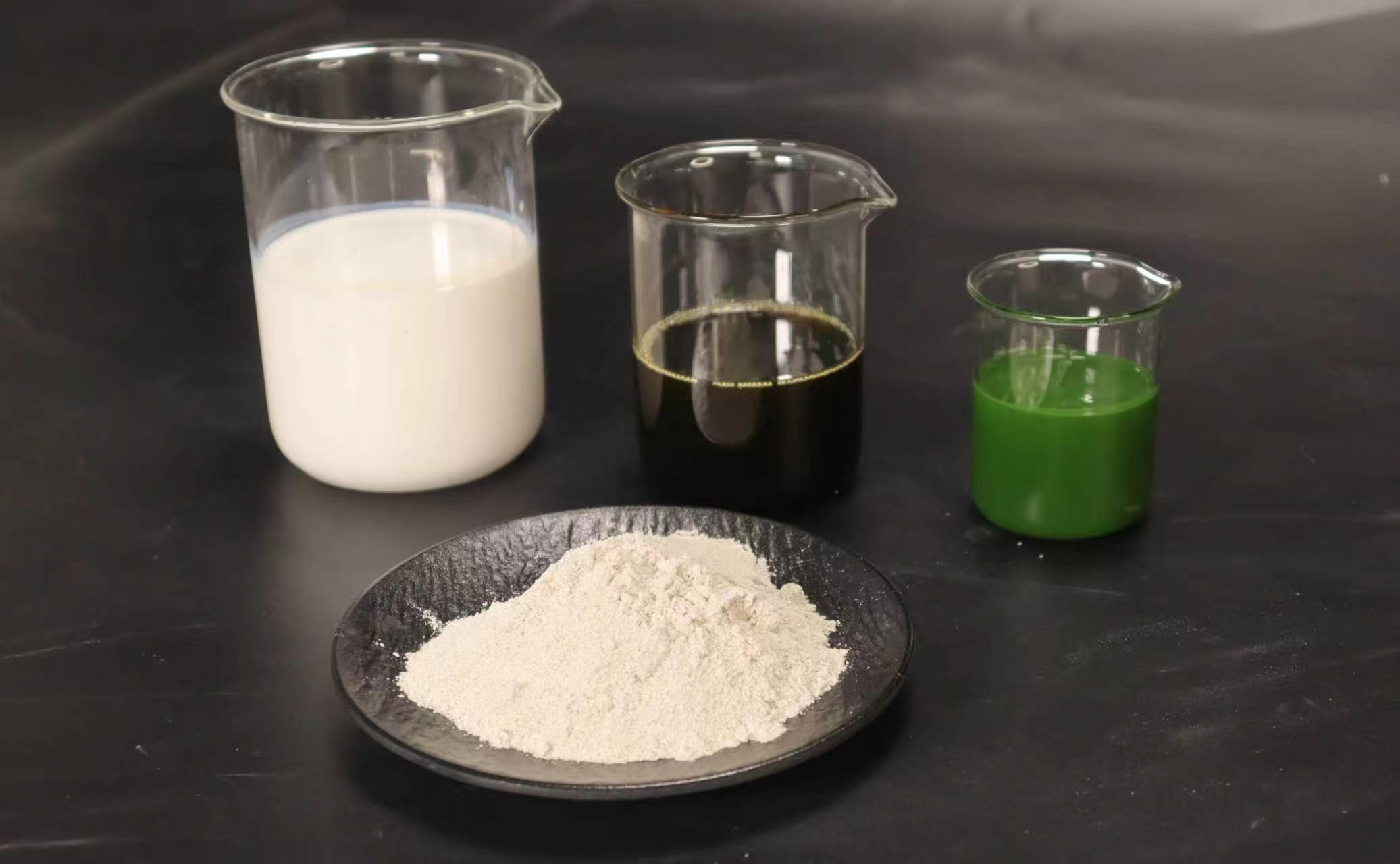
Bio-based binders change grip at the molecular level rather than relying on a surface residue. Traditional traction additives often leave a thin oily film that feels slippery when dry or dusty, but plant-derived polymers create a network that interlocks with the road texture. This means the tire or shoe surface stays tacky under load while releasing cleanly when pressure lifts, so there is no leftover layer to attract dirt or reduce friction later.
The difference comes from how these binders respond to moisture and temperature. Instead of exuding liquid under heat, they soften just enough to press into micro-grooves, then firm up again when cooled. That reversible behavior keeps contact points sharp without the greasy sheen seen with petroleum-based alternatives. On wet pavement the same mechanism channels water away from the contact patch, so traction improves without any visible or tactile film left behind.
In practice, users notice cleaner floors, less dust accumulation on soles, and consistent grip across repeated stops. Because the binder bonds with the substrate instead of floating on top, wear debris stays minimal and the surface does not become slick over time. This is why bio-based options are replacing older formulations in indoor courts, warehouse flooring, and high-friction footwear where a slippery residue would be a safety risk.
The Downwind Effects of Road Dust on Homes, Crops, and Lungs
People often picture road dust as a minor nuisance that settles on car windshields or fades the paint on a fence. But once that fine dust lifts off the gravel or dirt road and rides the wind, it travels much farther than most of us expect. The particles do not just disappear at the property line. They drift across gardens, cling to laundry on the line, and settle into the folds of window screens. Over time, this steady powdering of a home is not simply cosmetic. The dust works its way into door seals, air vents, and the fine gaps around old windows. Homeowners near unpaved roads often find themselves sweeping the same gray film off the porch week after week, even when no vehicle has passed in days.
The impact on crops is easy to underestimate because it happens slowly. A thin layer of dust on leaves reduces the amount of sunlight a plant can use, and when dust coats the stomata, the plant's ability to breathe and exchange moisture is quietly choked off. In vegetable gardens and orchards close to a busy dirt road, yields can drop without any dramatic sign of disease. Young seedlings are especially vulnerable. They get buried or abraded by windblown grit before they have a chance to establish roots. Market gardeners sometimes notice that produce grown on the road side of a field is smaller or dustier, and that fruit develops a dull film that is hard to wash away. The effect is not limited to one season. Repeated dust exposure weakens perennial plants, making them less able to survive drought or a hard winter.
What makes road dust a health concern is not just the dirt itself but what rides along with it. Fine particles can carry heavy metals from brake linings, residue from tire wear, and even dried animal waste. When these tiny particles are kicked up by traffic and inhaled, they settle deep in the lungs. People who live within a few hundred feet of a gravel road may find themselves with a persistent dry cough or irritated throat, especially during dry, windy months. Children who play outside and breathe harder are exposed to a higher dose. Over years, that exposure can worsen asthma and other respiratory conditions. The problem is rarely dramatic enough to make headlines, but it shows up in small ways, like more frequent use of an inhaler or a chest that feels tight after a day of wind and passing trucks.
Matching Application Rates to Road Material Instead of Guesswork
A single application rate never fits every surface, yet plenty of crews still rely on a familiar number because it worked once on a different job. Road materials vary widely: a dense-graded asphalt mix pulls in far less binder than an open-graded or chip-sealed surface, and an older oxidized pavement drinks up more than a fresh, tight mat. Ignoring those differences often leads to a surface that either flushes with excess binder or loses cover aggregate because the film was too thin.
The practical fix is to measure how the specific material behaves before the spray bar moves. Small test patches can show how quickly the surface absorbs a light application, while looking at aggregate gradation, surface texture, and the amount of fine dust present gives a clearer picture of what the road will actually hold. From there, the rate can be adjusted in small increments instead of jumping from one generic preset to another.
Crews that take this approach usually end up applying less material in spots that don’t need it and a bit more where the surface is hungry, without crossing into over-application. That balance keeps the road from bleeding in hot weather and helps the treatment stay put longer. It also removes the most common source of early failures: trying to make a standard number do the work that the road material itself should be telling you.
When Salt and Chloride Runoff Becomes the Bigger Environmental Cost
Most winter road crews still measure success by how fast pavement turns black after a storm. That quick fix comes with a slower, quieter bill. Salt dissolves, runs off, and lingers long after the ice is gone. The chloride doesn't vanish—it seeps into soil, settles in wetlands, and drifts toward drinking water sources. A single season of heavy salting can shift the chemistry of a nearby stream enough to stress aquatic insects that fish depend on. What looks like a routine maintenance choice in January becomes a water quality problem that outlasts the plows.
The harder truth is that chloride doesn't break down the way many pollutants do. It moves with water, accumulates year over year, and resists cheap removal once it reaches groundwater. Some communities are finding that the cost of treating salt-contaminated wells or replacing corroded pipes far exceeds what they saved on road salt. Meanwhile, roadside trees show the same burn patterns as coastal vegetation after a storm surge. When the environmental tab arrives, it rarely comes as a line item in the winter budget—it shows up in dead streambanks, failing wells, and infrastructure repairs that nobody planned for.
Reducing that damage doesn't require abandoning safety. Pre-wetting salt so it sticks to the road, calibrating spreaders instead of running them wide open, and using brine before the storm hits can cut chloride use by a third or more without sacrificing traction. Some highway districts now track salt per lane mile and treat overapplication the way they treat fuel waste. The shift is less about new technology than about redefining what a well-managed road actually costs.
Field Signs That Tell You a Dust Treatment Is Working or Fading
A treatment that is still doing its job shows up most clearly in the wheel tracks. The surface stays tight and slightly darkened, and even a fully loaded truck moving at speed leaves little more than a faint haze that settles within seconds. Fine particles stay locked in the crust instead of blooming behind tires, and scattered gravel or fines do not drift into loose ribbons at the edges. After a light rain, a working treatment usually keeps the road from turning to slick mud; water beads or sheets off instead of soaking straight through.
Watch for the first signs of failure at the crown and in braking zones. Loose powder begins to gather in shallow drifts, and the dark, bound look gives way to a dry, pale surface that scuffs easily under a boot. Passing vehicles start throwing a plume that hangs longer and travels farther, and small potholes or washboard ripples appear where the treated layer has been punched through. If the surface turns greasy or soupy after rain, or if you can scrape away fine material with a fingernail without meeting resistance, the treatment is no longer holding the aggregate.
Time of day changes what you see, so check the same section in both early morning and mid-afternoon. Morning moisture can temporarily suppress dust and make a failing surface look better than it is, while afternoon heat and traffic load will expose dry, broken areas quickly. Mark small test stretches with cones or stakes and compare them side by side rather than relying on memory from a previous visit. That kind of side-by-side read tells you faster than lab numbers whether the product is still working, fading, or already gone.
FAQ
They rely on plant-derived binders and biodegradable polymers instead of petroleum-based resins or salts. Once applied, they break down naturally without leaving harmful residue in nearby soil or waterways.
That depends on traffic volume and weather, but many road managers see noticeable dust control for several weeks to a few months. Light rain usually doesn't wash it away, though heavy downpours may call for a touch-up.
Yes. By keeping fine particles grounded, they reduce the dust that people breathe in and that settles on homes, crops, and water sources. The change is often most obvious during dry, windy periods.
The formulas are designed to be non-toxic once cured. Independent tests check for skin irritation and aquatic toxicity, and many products are safe enough for use near farms, parks, and residential roads when applied as directed.
They adapt well to most unpaved surfaces. Application rates may shift depending on the soil texture and how heavy the vehicles are, but the same core chemistry works on everything from rural driveways to mine haul roads.
By cutting down dust clouds, drivers get clearer visibility and better traction because loose fines aren't constantly shifting under tires. It also reduces the chance of vehicles kicking up debris that can crack windshields or obscure signs.
Most crews use a standard water truck or sprayer. The concentrate is mixed with water and applied evenly across the surface. Roads can usually reopen within a couple of hours, and no special protective gear is required beyond normal handling practices.
Many users find they spend less on grading and gravel replacement because the road surface stays more stable. While the product itself isn't free, the savings on labor, water, and aggregate often balance out over a season.
Conclusion
Relying on water for rural road dust control rarely holds up because surface moisture evaporates quickly, leaving fine particles loose and easily lifted by passing vehicles. The result is not just poor visibility but a slow drift of dust into nearby homes, crops, and respiratory systems. Shifting toward bio-based binders changes this dynamic: these additives bond road fines without forming an oily or slick layer, so traction remains reliable even on curves and unpaved shoulders. A key part of making them work is adjusting the application rate to the actual road material rather than using a generic dosage. Sandy, clay-heavy, and limestone gravel surfaces each respond differently, and field testing small sections can show how much product the surface will absorb before runoff occurs.
Another overlooked factor is the long-term cost of salt and chloride treatments. While they may seem effective in the short term, these materials leach into adjacent soil and water, harming plant life and corroding equipment. The environmental burden can outweigh the dust reduction benefit. In contrast, a well-chosen eco-friendly suppressant can be monitored by simple field signs: dust staying down between scheduled passes, reduced crusting or potholing after rain, and no visible sheen on the road surface. When these signs fade, it often means the treatment has worn thin or the road material has shifted, signaling a need for spot reapplication rather than blanket re-spraying. This kind of responsive approach keeps air cleaner and rural roads safer without trading one environmental problem for another.
Contact Us
Contact Person: Helen
Email: [email protected]
Tel/WhatsApp: 86 18630661160
Website: https://www.roadmilestone.com/