

Driveway Tiles Manufacturer: What to Look for Before You Buy
2026-09-27
Choosing a driveway tile manufacturer often feels like a gamble. Many buyers focus on color and size, only to discover months later that their tiles stain easily, fade under the sun, or crack in the first freeze. Before you compare samples, it pays to know what actually separates a reliable factory from a reseller with a glossy catalog. Look closely at raw material sourcing, slip resistance ratings, water absorption, and whether the manufacturer can provide batch-level test reports. Beata Ceramics, for instance, has built its reputation on transparent specs and consistent quality control. In this guide, we break down the key checks you should make before placing an order, so your driveway stands up to daily traffic and harsh weather without unpleasant surprises.
Check the Raw Materials Before You Fall for the Finish
A glossy coat can make cheap materials look far better than they are. I’ve flipped over enough furniture to know that the underside rarely matches the showroom shine. Lift a drawer out, run your fingers along the bottom edge, or look inside a cabinet where the finish stops. You might find particleboard that swells when it meets moisture, or a laminate that’s already lifting at the corner. The finish is there to sell you the piece, but the raw material is what you’ll live with. Take ten seconds to check what’s underneath before you fall for how it looks in the light.
Different materials give themselves away if you know what to feel for. Solid wood has a heft and a temperature that MDF can’t fake; knock on it and you’ll hear a short, solid response instead of a hollow ring. Genuine leather stretches and creases differently from bonded scraps, and you can often smell the difference even before you touch it. With metal, a quick scratch test on a hidden spot will tell you if the “brass” is just a thin plating over zinc or steel. These aren’t professional tricks—just habits that keep you from paying solid-material prices for a decorative shell.
If a seller can’t tell you whether a table is oak or oak-veneered, that’s already an answer. Ask for the spec sheet, but don’t stop there. Run your nail along an inconspicuous corner, check the weight, and compare it to something you know is real. A beautiful finish can hide a lot for a few months, but raw material failures—warping, peeling, rust bleeding through paint—always show up later. Buy the bones first and let the finish be a nice surprise, not the main reason you said yes.
How the Factory Handles Color Consistency Across Batches
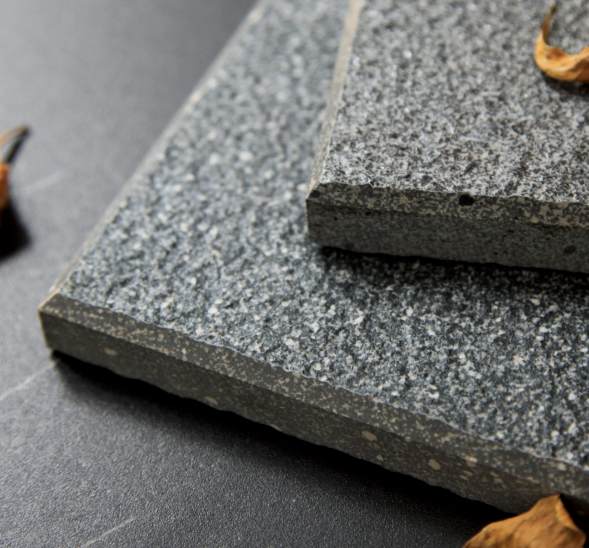
Color matching starts in the dye kitchen, not on the inspection table. We keep a master swatch from the first approved run and every new batch gets checked against it under three light sources: D65 daylight, TL84 store lighting, and a standard incandescent. A spectrophotometer gives us the Delta E value, but we still do a side-by-side in the light booth. If the shift lands above 0.8, the lot gets corrected before any fabric moves to cutting.
Each roll carries a lot card with the exact dye recipe, machine speed, rinse temperature, and finishing settings from that run. When a customer reorders months later, we pull that card and reproduce the same conditions rather than starting from a generic formula. It sounds basic, but this kind of record-keeping is what stops the slow drift that usually passes for “close enough” between batches.
For difficult shades—deep navies, bright reds, anything with optical brighteners—we run a one-meter pilot sample first. Two operators check it against the master standard independently. If either one hesitates, the batch doesn’t move. That simple rule catches differences that instruments sometimes miss.
Surface Grip Ratings That Matter More Than You Think
Most people glance at a flooring spec sheet and assume a high coefficient of friction means safe, full stop. That number is just a starting point. The way grip changes when surfaces get wet, dusty, or coated in a thin layer of grease is what actually determines whether someone stays upright on a ramp or slips at a loading dock. Ratings measured under pristine laboratory conditions often flatter a material that becomes unpredictable in the field.
What rarely gets discussed is how much footwear and movement style shift the real-world result. A surface that grips rubber soles might feel dangerously slick under leather or worn work boots. Fast turns, sudden stops, and heel strikes place very different demands on traction than a slow, flat-footed walk. If you only look at the headline number, you're ignoring the conditions where injuries and close calls happen.
A more useful approach is to test the same surface across a few scenarios you actually expect: wet entryways, oil exposure near equipment, or ramps that get morning condensation. Then compare those figures against common footwear, not just a standard test slider. This kind of practical comparison gives you a much clearer picture of everyday safety than any single rating on a brochure.
What Their Warranty Actually Covers (and Quietly Skips)
Most people assume a warranty means the company will fix anything that goes wrong. In reality, the fine print tends to be far more selective. The standard promise usually covers manufacturing defects and internal hardware failures, but only if the damage happens under normal use. Cosmetic wear, battery degradation, accidental drops, water exposure, and any repair done by an unauthorized shop often land outside the official protection.
What quietly gets skipped is anything the brand can label as misuse or “expected wear.” If a hinge loosens after a year of daily use, you might hear that it’s normal aging rather than a defect. The same goes for software slowdowns, third-party parts, or damage from power surges. Warranty language also tends to exclude shipping costs, data recovery, and even the labor required for certain replacement parts, so you can end up paying more than expected while still technically under coverage.
Another unspoken gap is the timeline. Many warranties only cover the original buyer and become void after a resale. Registration deadlines, proof of purchase requirements, and country-specific limitations can all quietly narrow what was advertised. Reading the exclusions before you need them saves a lot of back-and-forth later—because once a claim is filed, the burden of proof usually shifts to you.
Production Lead Times When You’re Not Ordering Off the Shelf
When a product isn’t sitting on a warehouse shelf, the clock starts long before assembly. A custom run might begin with sourcing raw materials that have their own lead times—think specialized alloys, certified plastics, or electronics that are only built to order. If tooling is involved, add weeks for mold fabrication and testing. In practice, a made-to-order item rarely ships in under four weeks, and six to ten weeks is more realistic once you factor in queue time at the factory.
The biggest variable is often the factory’s existing schedule. Many manufacturers batch similar jobs to reduce changeover costs, so your order may wait until the next production window opens—even if the parts are ready. Rush options exist, but they typically mean paying a premium for overtime or disrupting standard batches, and that cost is usually passed along. A straightforward estimate from a sales rep may not include this batching delay, so it pays to ask when the next scheduled run actually happens.
Finally, don’t overlook post-production steps like curing, inspection, and packaging. A product that comes off the line on a Friday might still need days of quality testing or custom crating before it ships. If you’re working with an overseas supplier, add transit time and customs clearance, which can swing wildly by season. A realistic lead time, then, is less about the stated production days and more about the gaps between each handoff.
Why Bulk Samples Tell You More Than the Showroom Display
A single showroom piece is curated, polished, and often built to near perfection before it ever hits the floor. You see the best case scenario: factory-selected wood grains, careful finishing, and hardware that hasn't been touched by a thousand hands. Bulk samples flip that script. They come straight off the production line, boxed and sealed just like what would land on your doorstep. That means you're seeing the average, not the exception—the real color variation, the actual texture repeat, the honest tolerances. If a material is going to disappoint you, it'll do it in the bulk sample long before your project is halfway done.
There's also the matter of scale. One tile or one plank in a showroom can look dramatic, but line up twenty of them and patterns emerge. A stone-look porcelain might have four face designs that repeat too predictably, or a wood veneer might show an unnatural blotchiness when the pieces are butted together. Showroom displays are often lit to flatter, with spotlights angled to hide seams and shadows. Bulk samples force you to lay them out under your own lights, at your own pace, and see how they behave in real adjacency. That's when you catch the subtle flaws—or the pleasant surprises—that no staged vignette can reveal.
Finally, bulk samples give you room to test. You can cut into them, stain them, scratch them, spill coffee on them, leave them in a sunny window for a week. You can't do any of that to a display mounted on a wall. The showroom tells you what the material looks like when it's new and perfect; the bulk sample tells you what it'll look like after six months of daily life. That kind of information only comes from having extra pieces you're willing to sacrifice, which is exactly what a bulk sample is for.
FAQ
Ask for the breaking strength in kilonewtons, not just a vague 'heavy duty' label. For residential use with occasional delivery vans or small trucks, look for tiles rated to at least 20 kN if they are 20mm thick and installed over a compacted base. If you have larger vehicles or frequent turning stress, push for 30 kN or more and ask to see third-party test results from the manufacturer.
The key number is water absorption. Porcelain tiles should have an absorption rate of 0.5% or less, which means water won't soak in and expand when it freezes. Ask the manufacturer for the ASTM C373 or ISO 10545 test report instead of just accepting a 'frost proof' claim. Also confirm they have used the tiles in cold-climate projects for at least three to five years.
For a standard residential driveway on a prepared concrete or compacted aggregate base, 20mm is the practical minimum. Anything thinner is really for patios or foot traffic. If the driveway will see heavier vehicles or you live somewhere with soft ground, step up to 30mm. Always ask the manufacturer what base preparation they require for each thickness, because the tile alone is not a structural slab.
You want a textured or matte finish, not a polished or glazed surface. Look for a dynamic coefficient of friction of 0.60 or higher when wet, or an R11 to R13 slip resistance rating. On slopes, some manufacturers offer deeper grooves or exposed aggregate finishes that channel water away. Ask for a sample tile and test it with a wet shoe before you commit to a full pallet.
A good manufacturer will not promise perfectly uniform color, because raw materials and kiln temperatures shift slightly. Ask what their variegation class is: V2 means slight variation, V3 is moderate, V4 is heavy. For driveways, V2 or V3 usually looks natural without being patchy. The bigger issue is ordering all your tiles in one batch. If you need multiple batches, ask them to blend boxes from different pallets during installation.
Yes, and not just one small cut piece. Ask for at least two full-size tiles from current production, preferably from different boxes. That shows you the real edge profile, thickness consistency, and surface color. Lay them on the ground, drive over them, and leave them outside for a week. A manufacturer that only offers tiny swatches or digital photos is not giving you enough to judge how the driveway will actually look and perform.
Look for a written warranty that covers manufacturing defects like cracking, glaze failure, or excessive wear under normal residential use, usually for 10 to 25 years. The warranty should state the loads it assumes and the required installation method. If the manufacturer blames all cracking on the installer or the base, that is a red flag. Ask whether the warranty transfers if you sell the house, and get the terms in writing before paying anything.
Ask for the factory address, video or photos of the production line, and whether they can handle custom sizes or special color blending. A real manufacturer will usually have minimum order quantities, lead times based on production schedules, and the ability to make adjustments mid-order. If every answer is 'we have stock in a warehouse' or they cannot tell you where the tiles are fired, you are likely dealing with an importer or reseller, which is fine but means you should evaluate the tile on its own test data rather than the brand story.
Conclusion
When you are choosing a driveway tiles manufacturer, the showroom shine rarely tells the whole story. Dig into the raw materials first: a tile can look flawless on the surface but crack or stain within a season if the base mix is cheap. Ask how the factory keeps color consistent across separate batches—driveways often need multiple pallets, and a slight drift in tone will be obvious under daylight. Surface grip ratings also deserve more attention than most buyers give them, especially if your drive slopes or collects water; a tile that feels fine dry can turn slippery after rain.
Warranty details are another place where the fine print works against you. Some policies quietly exclude fading, edge chipping, or freeze-thaw damage, so read the actual coverage instead of the marketing summary. If your order is not off the shelf, clarify production lead times in writing, because custom sizes or colors can add weeks that sales reps may downplay. Finally, request bulk samples rather than judging a single showroom tile. Seeing a full box or a small assembled area reveals variation in thickness, texture, and shade that a polished display piece hides. Together these checks give you a clearer picture of what the manufacturer will actually deliver to your driveway.
Contact Us
Contact Person: Emma
Email: [email protected]
Tel/WhatsApp: 8618064423698
Website: https://www.beataceramics.com/