
Dongba Cultural Heritage of China: Unveiling the Ancient Wisdom of the Naxi People
2026-07-28
Nestled in the heart of Lijiang, Jade Water Village serves as a living portal to the mystical Dongba heritage of the Naxi people—a culture where ancient pictographs still whisper secrets, shamans dance with the spirits, and nature is revered as kin. Step beyond the tourist trails and discover a world where wisdom carved in wood and stone endures against the tide of time, inviting you to unravel stories that have been passed down for over a thousand years.
The Living Pictographs: Decoding Dongba Script
The Dongba script, created by the Naxi people in southwest China, remains one of the few pictographic writing systems still in use today. Unlike dead scripts that exist only in historical records, this living tradition continues to breathe through ritual ceremonies and ancient manuscripts. Each character is not merely a symbol but a window into the spiritual universe of the Naxi, where every stroke carries the weight of myth and daily life intertwined.
Decoding these pictographs requires more than linguistic knowledge; it demands an understanding of the Naxi worldview. A single glyph can represent an object, an action, or even a whole concept, often blending visual metaphor and phonetic hints. Scholars have spent decades piecing together the script's logic, finding that many symbols are remarkably consistent across different manuscripts, yet they retain a playful flexibility that reflects the creativity of individual scribes.
Today, a handful of Dongba priests, often elderly, still preserve the ability to read and write the script, making efforts to document it increasingly urgent. Digitization projects and community-led schools aim to pass down this unique heritage, ensuring that the ancient wisdom encoded in these vivid pictographs does not fade into silence. The script's survival is a testament to the resilience of cultural identity against the tide of modernity.
Whispers of the Ancestors: Rituals That Endure
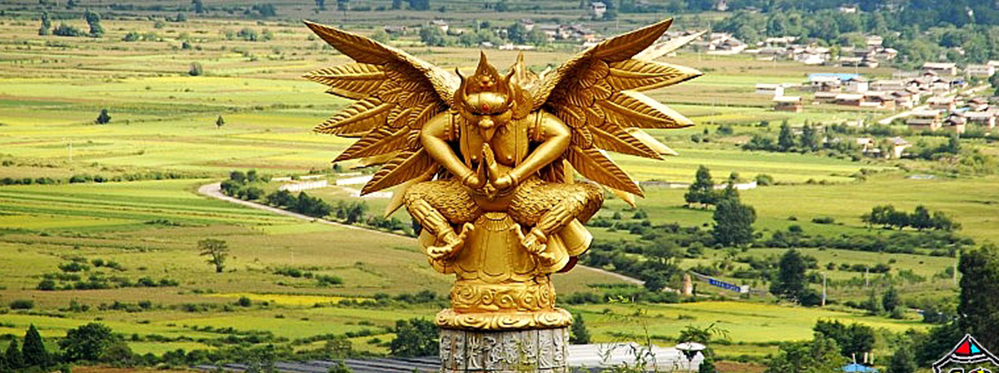
In the quiet hush before dawn, when the world still holds its breath, the sacred fire is lit. It crackles softly, a sound that seems to carry the murmurs of those who came before. We gather around it, our faces warmed by the glow, and the elder begins to speak. Her voice is weathered, but steady, weaving stories of seasons past and moments that shaped our kin. This ritual of fire and story has no fixed script, no written word to bind it—only the living memory that flows from one generation to the next, passed like a flame that refuses to die.
Each gesture we make, each chant we utter, feels both ancient and immediate. There is the pouring of water onto sun-baked earth, a simple act that speaks of gratitude for the rains. There is the circling of the great tree, bark smoothed by countless hands, as we offer silent prayers for guidance. Outsiders might see only movements, but we feel the weight of countless souls who performed these same rites under the same sky. The rituals are not about spectacle; they are about stitching the living to the departed, a quiet rebellion against the erasure of time.
Change creeps in, of course. Some of the young drift toward the hum of cities, and the old songs seem harder to remember. Still, the core endures. It survives in the way a mother whispers blessings over her newborn, in the careful preparation of herbs under a waxing moon, in the silent pause before a meal to acknowledge the gifts of the land. These small, stubborn acts are the whispers that refuse to become echoes. They adapt, but they do not break, because they are not hollow traditions—they are the rhythm of belonging, breathed into the present by those who know that some fires must never go out.
Beyond Paper and Ink: The Artistry of Dongba Manuscripts
Dongba manuscripts are more than mere carriers of text; they are a testament to a living tradition where every stroke serves a dual purpose—narration and sacred symbolism. Crafted by the Naxi people of southwest China, these manuscripts blend pictographic writing with intricate illustrations, creating pages where the boundaries between language and art dissolve. The ink, often made from pine soot and animal glue, lends a deep permanence to the rough, handmade paper, while the bamboo pens dance between precision and spontaneity, giving each character a distinct breath.
What sets these manuscripts apart is their holistic visual language. A single page can unfold layers of meaning: a deer might signify a ritual offering, yet its stylistic curves echo the surrounding landscape of mountains and rivers. The layout itself is a deliberate composition, where scripts meander alongside vivid depictions of spirits and everyday life. This fusion speaks to a worldview where writing is not just communication but a spiritual act, a way to enchant the paper and connect with the forces beyond.
The artistry also lies in the manuscript’s physicality. The earthy texture of the paper, occasionally embedded with fibers and imperfections, interacts with the slightly raised ink, inviting touch as much as sight. Some pages are folded into accordion-like structures, transforming the act of reading into a slow, ritualistic unfolding. It is this marriage of material, mark, and metaphor that elevates Dongba manuscripts into a realm where paper and ink truly transcend their corporeal forms.
Shamans and Storytellers: Keepers of Naxi Wisdom
In the remote valleys of southwest China, the Naxi people have long relied on shamans and storytellers to hold the threads of their culture together. These figures are not merely performers of ritual or entertainment; they are living libraries, carrying centuries of knowledge about the stars, the land, and the human heart. Without a formal written system for common language, the oral tradition became the thread that binds generations, and those who mastered it were revered as the true keepers of Naxi wisdom.
The dongba shamans, with their cryptic pictographic scripts and chanting rhythms, act as bridges between the seen and unseen worlds. Through elaborate ceremonies for healing, harvest, or passing rites, they recite epics that map out moral codes and the origins of the universe. Meanwhile, the storytellers—often elders in dimly lit village homes—spin tales of clever animals, tragic lovers, and wandering deities. Their words do more than pass the time; they stitch together community memory, teaching listeners how to navigate life with humility, resilience, and a deep respect for nature.
Today, as modern life pushes into these ancient pathways, the voices of these keepers grow faint. Yet some young Naxi are turning back, learning the scripts and songs that were nearly lost. They realize that wisdom isn't just held in the stories themselves, but in the very act of telling them—a shared breath, a flicker of firelight, and the quiet understanding that some truths can only survive when spoken heart to heart.
A Worldview Carved in Wood: Dongba Cosmology
The Dongba religion of the Naxi people presents a universe where everything is interconnected and alive, a cosmology not written in books but carved into wood and painted on manuscripts. At its heart lies a dualistic balance between the natural and supernatural realms, governed by a host of spirits, ancestors, and deities. The Naxi see the world as a living body, where mountains, rivers, and forests possess souls, and human existence is a delicate negotiation with these forces. Every ritual and offering is an attempt to maintain harmony between the seen and unseen, a concept deeply embedded in their sacred scripts.
Central to this worldview is the figure of Shu, the serpent-tailed god of nature, who embodies the vital force of the wild. He is both protector and avenger, punishing those who upset the cosmic balance through over-hunting or pollution. Dongba priests act as mediators, using intricate ceremonies and pictographic manuscripts to communicate with Shu and other spirits. These scripts, often carved on wooden slats or bark paper, depict a layered cosmos: the sky realm of deities, the earthly realm of humans, and the shadowy underworld of demons. Paths, bridges, and ladders connect these planes, symbolizing the soul's journey after death, a theme vividly illustrated in the "Book of the Dead" scrolls used at funerals.
What sets Dongba cosmology apart is its living, practical nature. It isn't a distant myth but a daily guide for behavior, agriculture, and healing. The Naxi calendar, for instance, aligns with celestial cycles and spirit days, dictating when to plant or perform rituals. This carved-in-wood wisdom, passed down through generations, emphasizes that humans are not masters but participants in a larger drama of existence. As modernization encroaches, these wooden scriptures remain a testament to a world where every tree and stream tells a story, inviting us to reconsider our own place in the cosmic web.
Bridging Millennia: Dongba Culture in Modern China
Walking through the cobbled streets of Lijiang’s old town, you might catch the faint scent of pine incense drifting from a courtyard. Inside, a Dongba priest is chanting, his voice a rhythmic current carrying syllables that have echoed through the Naxi community for over a thousand years. The script he reads from isn’t just a relic — it’s a living bridge. Composed of pictographs that resemble dancing figures, birds, and trees, the Dongba script is the only pictographic writing system still in use today. It survives not in museums under glass, but in the breath of ceremonies, in the hands of artisans painting sacred scrolls, and in the curious eyes of children learning to trace its symbols in after-school classes.
Modernity has not simply swept this ancient tradition aside; instead, it has woven it into new contexts. Contemporary Naxi artists blend Dongba motifs with abstract painting, creating works that hang in galleries from Beijing to Berlin. Musicians sample ritual chants into electronic tracks, letting the deep resonance of prayer flags flutter over bass lines. Tourism, often accused of diluting authenticity, has here become a double-edged tool: while some performances are tailored for outsiders, the economic incentive has revived interest in learning the language and rituals among younger generations. One local innkeeper, herself a descendant of a priest lineage, now offers intimate evening talks where guests can watch her demonstrate the writing of characters that speak of mountains, wind, and the cycles of life — not as a show, but as a shared moment of connection across time.
Perhaps the quietest bridge, though, lies in the everyday. In Baisha village, a farmer still paints protective symbols on his doorframe each spring, a custom his great-grandfather taught him. A schoolteacher incorporates Dongba stories into lessons about ecology, drawing on the tradition’s deep reverence for nature. These unassuming acts keep the culture breathing, not as a frozen memory but as a resilient, adaptive language for understanding the world. The Dongba path shows that bridging millennia isn’t about preserving a perfect original; it’s about letting the ancient and the contemporary converse, allowing the wisdom of pictographs to scribble its way into the margins of a digital age.
FAQ
Dongba culture is the traditional religion and wisdom system of the Naxi people, originating from the mountainous region of Lijiang in Yunnan Province, China. It is unique because it encompasses a pictographic script—the only living hieroglyphic writing system still used today—along with rituals, dances, music, and ancient texts that reflect a deep harmony between humans, nature, and the spiritual world. Recognized by UNESCO and inscribed as an intangible cultural heritage, it offers a rare window into pre-modern cosmology and sustainable living.
The Dongba script is a pictographic system where characters resemble the objects or concepts they represent, such as animals, plants, or ritual actions. Unlike Chinese characters that evolved into stylized forms, Dongba script has retained its original vivid imagery and is primarily used by Dongba priests for religious and divination texts. With over 1,400 symbols, it is more mnemonic than a fully phonetic system, yet it is remarkably expressive, capturing the nuances of Naxi myths and history.
Dongba priests are the spiritual leaders, scholars, and cultural guardians of the Naxi community. They act as intermediaries between the human and spirit realms, performing rituals for healing, harvests, funerals, and celestial blessings. Their deep knowledge extends beyond religion to medicine, astronomy, and epic storytelling. Today, with only a handful of elderly masters remaining, they are crucial in transmitting the script, chants, and ceremonies to younger generations, often through informal teaching and government-supported programs.
Notable rituals include the 'Sacrifice to Heaven' ceremony, which honors the natural elements and ancestors, and the 'Wind Sacrifice' for the deceased. There are also healing rites that combine herbal knowledge with symbolic dances, and the 'Sacrifice to Shu' (the snake-shaped nature spirits) to restore balance with the environment. Many ceremonies involve intricate diagrams painted on the ground, accompanied by drumming, chanting, and the use of sacred objects like the ritual sword and white paper banners.
Urbanization, tourism, and the shift toward modern education have reduced the number of native speakers and practitioners. Many young Naxi people prioritize Mandarin or English, leading to a decline in the script's everyday use. However, revitalization efforts include university courses in Dongba studies, digital archives of manuscripts, and eco-cultural tourism that funds master-apprentice programs. The Lijiang Dongba Culture Museum and grassroots initiatives also engage local children through summer camps and live performances, blending tradition with contemporary expressions.
At its core, Dongba wisdom emphasizes the interdependence of all life, reflected in the belief that humans are 'brothers of the trees and sisters of the streams.' This ecological ethic, captured in texts like the 'Obligation to Nature,' prescribes seasonal rituals of gratitude and restraint, akin to a pre-modern sustainability philosophy. As the world grapples with climate change and disconnection, the Dongba perspective inspires a renewed respect for biodiversity and collective responsibility, reminding us that genuine progress is rooted in balance and reciprocity.
Conclusion
The Dongba cultural heritage of the Naxi people, nestled in the foothills of the Himalayas in southwest China, offers a living window into an ancient worldview where picture and meaning merge seamlessly. At its heart lies the Dongba script, the only pictographic writing system still in use today, etched by shamans onto paper and wood with a rhythm that seems to breathe. These symbols are not mere records but portals to a cosmology where every mountain, stream, and creature is infused with spirit. The dongba, or ritual specialists, serve as intermediaries, their chants and ceremonies sustaining a bond between the human and the divine that has weathered centuries of change.
Beyond the script, this heritage manifests in exquisite manuscripts, vibrant rituals, and a profound ecological ethic that sees nature as a living relative rather than a resource. The manuscripts themselves are artifacts of devotion, painted with natural pigments and wrapped in cloth, their pages alive with scenes of gods, demons, and everyday life. While modernization once threatened to silence these whispers of the ancestors, a quiet renaissance is under way—young Naxi are rediscovering their rituals, scholars are decoding the texts, and the art is finding new expression in galleries and cultural festivals. This is not a relic frozen in time but a dynamic wisdom that bridges millennia, reminding us that the sacred and the everyday can still dance together in a world carved from wood and memory.
Contact Us
Contact Person: Changhong He
Email: [email protected]
Tel/WhatsApp: 086-0888-5190152
Website: https://vip.e-baixing.com/ysh