
Discover Dongba Culture in Lijiang: An Unforgettable Journey for International Travelers
2026-08-10
Tucked away in the shadow of the Jade Dragon Snow Mountain, Lijiang’s Dongba culture remains one of China’s most enigmatic treasures—a living script, animist rituals, and a worldview that predates modern borders. For international travelers craving more than selfie-snapping crowds, there’s a portal to this vanishing world at Jade Water Village, where shamanic chants still echo through terraced springs. This isn’t a museum; it’s an invitation to decipher sacred pictograms, trace the footsteps of Naxi priests, and taste a heritage that resists translation. Ready to step off the tourist trail and into a story still being written?
What Lies at the Heart of Dongba Culture
The soul of Dongba culture resides not in its intricate pictographs or elaborate rituals, but in the profound bond between the Naxi people and the natural world. Every mountain, stream, and forest is believed to harbor spirits that must be respected and appeased. This animistic worldview isn't merely philosophy; it's woven into daily life through taboos, offerings, and a deep-seated ethic of reciprocity with the land. The Dongba priests act as mediators, chanting ancient texts to maintain harmony between humanity and the cosmos, a role that underscores the culture's core belief: that balance is not a goal but a necessity for survival.
At the center of Dongba thought lies the concept of 'Shu,' the nature spirits. Unlike Western dichotomies of good and evil, Shu are capricious forces that can bestow fertility or unleash calamity depending on human conduct. This relationship is managed through the 'Shu Gu' ceremony, where Dongba priests use hand-drawn scrolls and danced narratives to negotiate with these invisible powers. The ritual is not worship in the conventional sense; it is a contractual dialogue, a reminder that humans are but one thread in a vast cosmic web. This intimate ecology permeates everything from terrace farming techniques to the construction of wooden houses, all designed to coexist with, rather than dominate, the landscape.
What truly distinguishes Dongba culture is its resilience as a lived practice. Despite centuries of external influences, the Naxi have preserved their rituals not as museum pieces but as adaptive tools for navigating modern challenges. Villagers still consult Dongba wisdom for healing and conflict resolution, while younger generations reinterpret pictographic scripts into contemporary art. This continuity is rooted in the culture's practical essence: it never separated spirituality from tangible problem-solving. In today's fragmented world, the Dongba way offers a rare glimpse into a society where the sacred and the everyday are braided together, reminding us that the deepest answers often lie in the humble act of listening to the land.
The Enigmatic Dongba Script Carved in Time
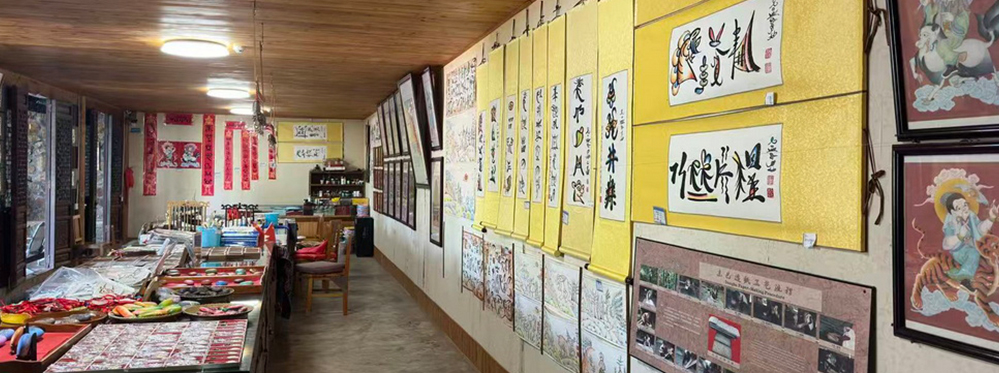
Far from being a mere relic, Dongba script unfolds like a visual whisper from the past—each character a miniature world of strokes that once flowed from the hands of Naxi priests. Unlike alphabets that reduce sound to symbols, these pictographs seem to capture the very essence of what they depict: a bird in flight, a mountain reaching skyward, or a ritual dance frozen in ink. They resist linear reading, compelling the eye to wander across ancient manuscripts as if deciphering a silent, sacred map.
Time has carved its own narrative into this script. Passed down through generations by the Dongba, the keepers of Naxi wisdom, it has survived cultural upheavals not in museums but in living ceremonies and chanted texts. The characters are not static; they breathe, adapt, and occasionally blur into metaphors, inviting initiates to interpret rather than simply decode. This fluidity is what makes the script both elusive and profoundly human—a script that refuses to be fully tamed by translation.
In an era of digital uniformity, Dongba script stands as a stubborn, inked rebellion. Its survival is a testament to the Naxi people's quiet tenacity, a bridge suspended between oral tradition and visual poetry. To encounter it is to feel the weight of centuries distilled into a single, ink-dark curve—a reminder that some forms of knowing can only be glimpsed through the slow, lingering gaze of wonder.
Stepping into the World of a Naxi Shaman
The first time I met a Naxi shaman, I wasn’t in a temple or a sacred grove, but in a dusty village courtyard, watching him stitch together the frayed edges of daily life with nothing more than a chant and a handful of rice. He wasn’t cloaked in exoticism; he was simply the man you called when the harvest turned strange or a child’s fever wouldn’t break. In the shadow of the Jade Dragon Snow Mountain, these dongba practitioners still move between worlds with a matter-of-fact grace, tracing symbols that predate writing as most know it, each stroke a bridge to ancestors who speak through the wind and the water.
What strikes you is how unassuming it all is. There’s no grand ceremony, no theatrical revelation — just an old man sitting cross-legged on pine needles, translating the creak of the floorboards or the flight of a bird into a diagnosis. The rhythm of his invocation blends with the clatter of cooking pots from the next room, and you realize that for the Naxi, the spiritual isn’t a separate realm; it’s stitched into the fabric of the ordinary. The shaman’s tools are the same objects that fill the household: a brass gong, a worn scripture book, a cup of barley liquor offered to unseen guests.
Walking away, you carry a quiet shift in perception. The mountains seem more alive, the forest denser with whispers. You start to notice the tiny altars tucked under trees, the offerings left at crossroads — remnants of a worldview where every rock and stream has kin. It’s not about belief in the abstract; it’s about relationship. And you wonder if the shaman’s real gift isn’t healing the sick or calling the rain, but reminding a world addicted to certainty that some truths only arrive when you sit still enough to listen.
Echoes of Ancient Ceremonies Still Alive Today
In the misty highlands of Peru, the Inti Raymi festival still honors the sun god with a fervor that seems untouched by the centuries. Costumed performers reenact the Inca rituals of solstice, their chants and footfalls echoing off the ancient stones of Sacsayhuamán. The air thrums with panpipes and drumbeats, drawing both locals and travelers into a communal trance that feels more like a memory than a performance.
Thousands of miles away in Japan, the Gion Matsuri floats glide through Kyoto’s narrow streets, carrying with them the spirit of purification rites first practiced over a thousand years ago. The creak of wooden wheels and the delicate chime of bells weave through the summer heat, a sensory tapestry that connects the present-day crowds to a time when such processions were believed to appease angry gods and ward off plague.
Across the Atlantic, rural communities in Mexico prepare for Día de los Muertos by building ofrendas that fuse Catholic and pre-Hispanic traditions. Marigold petals lay out paths for returning souls, while copal incense rises in lazy spirals, mingling the tangible and the ethereal. These living ceremonies are not museum pieces—they breathe, shift, and adapt, carrying the echoes of ancient voices into the clamor of modern life.
Where Art and Spirit Intertwine in Lijiang
In Lijiang, the line between the tangible and the transcendent blurs with every step along its ancient cobblestone alleys. The Naxi people have long cultivated a world where daily life is inseparable from a profound spiritual awareness, expressed through the Dongba script—the only living pictographic writing system—and elaborate rituals honoring nature's forces. These symbols, painted on aged paper or carved into wood, are not mere decoration but a living language that bridges the human and the divine. Walking through the Old Town, you feel it in the whisper of wind chimes and the soft chanting from a courtyard temple—a quiet, enduring rhythm that turns every moment into a meditation.
Art here doesn't hang in sterile galleries; it breathes in the frescoes of Baisha, where Ming Dynasty murals fuse Buddhist, Taoist, and local animist beliefs into a single tapestry of color. The artisans of Lijiang still practice their crafts as acts of devotion, whether they are silversmiths engraving talismanic patterns or embroiderers stitching guardian symbols into fabric. At dusk, when the red lanterns flicker on and the melodies of ancient Naxi music drift from wooden tea houses, you realize that art is the city's pulse. It is both a record of spiritual heritage and a daily offering, inviting you to pause and sense the invisible threads that weave all things together.
Finding Dongba Treasures Off the Usual Path
Straying from Lijiang's crowded Old Town, I wandered into the Baisha and Shuhe hamlets, where Naxi traditions persist in quiet courtyards. There, beneath the snow-capped Jade Dragon Mountain, I first glimpsed handmade Dongba scripts on weathered wooden tablets, each pictogram a whispered remnant of the world's last living hieroglyphic language.
In a dimly lit farmhouse, an elderly shaman unfurled a bark-paper scroll, its ink still smelling of pine soot. He chanted a creation myth, pointing to a symbol for 'sky' that looked like a canopy over the world. These weren't museum pieces but living words, used in rituals to summon rain or heal the sick. I traded a pack of tea for a lesson, learning to draw the character for 'harmony'—a pair of hands cradling a grain of rice.
The real reward came days later, hiking through a pine forest to a remote village where no buses stop. A woman embroidering a Dongba motif on hemp cloth invited me in for butter tea. In her attic, she showed me a stash of manuscripts her family had hidden during the Cultural Revolution. As sunlight caught the ancient pages, I realized these scattered, unprotected sites hold a fragile magic no curated exhibit can replicate.
FAQ
Dongba culture is the traditional culture of the Naxi people, originating right here in the Lijiang area. It’s known for its unique pictographic script—the only living hieroglyphic writing system still in use today—and its rich shamanistic rituals, music, and art. It feels like stepping into a living museum where ancient wisdom is still practiced.
Head to the Dongba Culture Museum near Black Dragon Pool, or wander through Baisha Old Town where you’ll find murals blending Dongba, Buddhist, and Taoist elements. Many local guesthouses and cafes also display hand-painted Dongba characters, and you might even spot a Naxi elder writing them on handmade paper.
Absolutely. You can join a workshop to make traditional Dongba paper from local plant fibers, or try your hand at writing pictographs with a bamboo brush. Some villages in the Yuhu area offer homestays where families teach you ritual dances, or you can learn to prepare Naxi dishes infused with mountain herbs.
Spring and autumn are ideal—mild weather means you can comfortably walk through old towns and attend open-air festivals. If you come in February, try to catch the Sanduo Festival, a Naxi celebration where you’ll see Dongba priests conducting ceremonies and locals dressed in traditional attire.
Some village communities welcome respectful outsiders during seasonal rituals, especially if you’re with a guide who can explain the context. It’s not a performance—it’s a genuine spiritual practice, so dress modestly and follow local etiquette. You might witness chanting, offerings to nature spirits, or the burning of juniper incense.
Dongba music is raw and ritualistic, often accompanied by ancient instruments like the jaw harp, cowhide drum, and bamboo flute. It's not staged for entertainment—the chants are part of healing ceremonies and ancestral worship. The tones can be hauntingly beautiful, and many pieces have been passed down orally for centuries without notation.
Yes—the culture is deeply tied to the landscape. You can hike through Tiger Leaping Gorge with a Naxi guide who’ll show you sacred trees and offer Dongba prayers to the mountain gods. Or visit Lashi Lake, where lakeside villages still perform rain-begging rituals. The snow-capped Jade Dragon Mountain itself is considered a divine protector in Dongba belief.
Try Sanba Village in Shangri-La County—it’s a bit of a drive but feels untouched by mass tourism. Here, you’ll find families who still consult Dongba priests for daily matters, and the surrounding forest is dotted with spirit altars. The authenticity is remarkable, and you’re more likely to have personal conversations with locals about their traditions.
Conclusion
At the spiritual core of Dongba culture lies a profound reverence for nature and the intricate bond between humanity and the divine. Unlike organized religions, it is a living philosophy preserved by the Naxi people in the shadow of the Jade Dragon Snow Mountain. The key to this ancient world is the enigmatic Dongba script, the only pictographic writing system still in use. Each symbol, carved into wood or brushed onto paper, feels like a conversation with ancestors, encoding myths that stretch back millennia. To step into the world of a Naxi shaman is to witness these symbols spring to life, as ritual chants and dance transform the abstract into a palpable bridge between realms.
Yet Dongba culture is far from a relic; its ceremonies still pulse through Lijiang's quieter corners, where travelers can sit in on a soul-calling rite or a harvest blessing and feel the weight of centuries. Art and spirit intertwine in every depiction of gods, demons, and sacred creatures—painted on temple walls or woven into handcrafted scrolls. For those willing to stray from the cobbled tourist lanes, hidden courtyards and mountain hamlets reveal the true heartbeat of Dongba heritage: a shaman's humble altar, a calligrapher's brush, a spontaneous chant. It is these off-the-beaten-path treasures that transform a simple visit into an unforgettable encounter with a culture that is still breathing, still speaking, and waiting to be heard.
Contact Us
Contact Person: Changhong He
Email: [email protected]
Tel/WhatsApp: 086-0888-5190152
Website: https://vip.e-baixing.com/ysh