

Customized Library RFID Manufacturer: Tailored Solutions for Modern Libraries
2026-05-25
Modern libraries are transforming into dynamic hubs of technology and community, where efficiency and security are paramount. At the heart of this evolution lies a powerful yet often unseen tool: Radio Frequency Identification (RFID). But not all RFID systems are created equal. Generic, one-size-fits-all solutions can leave gaps in your library's unique workflow, forcing you to adapt your operations to technology rather than the other way around. That’s where OSRFID comes in. As a dedicated customized library RFID manufacturer, we believe your technology should fit your library like a glove—whether you manage a sprawling public system, a specialized academic collection, or a cozy community branch. Our tailored solutions go beyond simple item tracking, addressing challenges in inventory management, self-service, security, and patron experience with precision. In this post, we’ll explore how custom RFID solutions can not just modernize, but truly transform your library into the flexible, responsive space your community deserves.
RFID That Matches Your Library’s Personality, Not a Catalog Template
Every library has its own rhythm—the quiet corners where patrons linger, the children’s area buzzing with discovery, the special collections that tell a community’s story. An RFID system shouldn’t force you into someone else’s mold. When the technology adapts to how your staff actually works and how your visitors navigate the space, it stops being just a tool and starts feeling like a natural extension of the building. We focus on flexible configurations that respect your workflows, not the other way around.
Off-the-shelf catalog templates often come loaded with features that clutter rather than clarify. Maybe your library thrives on face-out displays and genre-browsing, not rigid Dewey ranges. Maybe your patrons rely on self-checkout that feels intuitive, with screens and prompts that mirror the welcoming tone of your front desk. The right RFID setup lets you highlight what makes your collection unique, from custom item categories to loan rules that make sense for your community, without ever forcing a generic interface onto your users.
Personality shows in the details: the way a tag is programmed to trigger a specific welcome message, the subtle security that doesn’t bark at loyal patrons, or the reporting that actually helps you understand browsing habits instead of just counting checkouts. When you match the technology to the spirit of your library, you create an experience that feels less transactional and more like a conversation. That’s the difference between a catalog template that sits heavy on your shelves and an RFID partner that quietly amplifies what you already do best.
Hardware Designed to Hide in Plain Sight
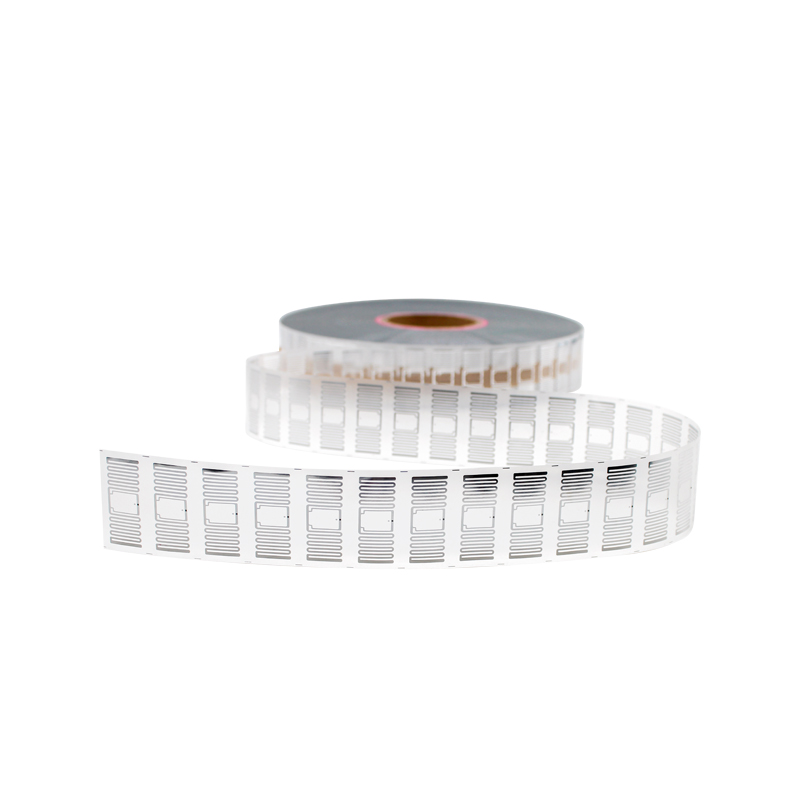
Some of the most effective surveillance tools never look the part. A bland wall clock, a generic USB charger, or a smoke detector screwed to the ceiling—these ordinary objects rarely earn a second glance, yet they can conceal high-definition cameras, microphones, or wireless transmitters. The brilliance lies in their deference to expectation: we see what we assume should be there, not the lens peering through a pinhole or the antenna woven into a circuit board. By mimicking the mundane, these devices exploit our mental shortcuts, rendering their true purpose invisible.
This approach extends well beyond spycraft. Network engineers sometimes tuck routers inside hollowed-out books or plant access points within potted foliage, keeping connectivity robust without industrial clutter. Home automation hubs masquerade as air fresheners, while voice assistants slip into the silhouette of a desk lamp. The common thread is a respect for aesthetics and psychology—hardware that serves its function while politely asking the brain to look the other way.
Building Systems Around Your Workflow, Not Forcing a New One
Your current workflow has likely evolved to match how you actually think and operate. Instead of ripping it all apart for a trendy new method, look at what’s already working. Pay attention to the tasks that flow naturally, the tools you instinctively reach for, and the rhythms that keep you on track. Building from these signals helps you create a system that feels invisible—one you’ll actually stick with, rather than fighting against.
Adapting your existing processes is often a matter of small, deliberate shifts. Maybe your scattered notes just need a simpler home, or your recurring tasks could be grouped differently. The goal isn’t a perfectly optimized setup; it’s a supportive layer that reduces friction without demanding a major overhaul. When your system bends to fit your real life, it stops being another chore and starts acting like a helpful backdrop to your day.
Privacy-First Tracking That Still Informs Better Decisions
Respecting user privacy no longer means sacrificing the depth of insight you need to make smarter choices. Modern tracking methods can be designed from the ground up to anonymize and aggregate data, so you see patterns without ever touching personal details. This approach lets you understand behavior flows, engagement trends, and conversion drivers while keeping individual identities completely masked.
Instead of relying on invasive techniques, tools now focus on first-party interactions and server-side events that don’t rely on persistent identifiers. By capturing only what’s necessary and discarding the rest, you gain high-level clarity—like which features are being used or where drop-offs occur—without building profiles on anyone. It’s a lighter, more sustainable way to collect feedback that aligns with evolving expectations around data ethics.
The result is a decision-making pipeline that’s both lean and respectful. Teams can still spot opportunities for improvement, test new ideas, and pivot quickly, but they do so with anonymized signals that sidestep the complexity of consent management. It’s tracking that doesn’t just pay lip service to privacy; it’s built around it, proving that better decisions don’t require compromising the trust people place in your product.
Long-Term Support That Grows With Your Collection
We built this around the idea that your collection shouldn't be held back by a rigid support timeline. Whether you start modestly or jump in with both feet, the assistance evolves right alongside your artifacts—no renewal hoops, no artificial tiers that force you to upgrade just to keep getting help. It's a steady, behind‑the‑scenes presence that learns what you own and anticipates what you'll need next.
Instead of one‑size‑fits‑all advice, you get nuance that deepens as your collection does. Early on, it might mean guidance on proper storage or authentication. Later, it could surface connections between items you'd forgotten, flag conservation risks before they turn costly, and even help you navigate the quirks of niche markets. The system doesn't just react—it grows a contextual memory that makes every interaction feel less like a script and more like a conversation with someone who's been paying attention.
The Unseen Backbone of a Modern, Effortless Library Experience
Behind every smooth library visit lies a complex web of systems that patrons rarely notice. It’s not just about cataloging books or scanning barcodes; the true backbone involves predictive data analytics that anticipate demand before it arises, fine-tuned logistics that move resources efficiently across branches, and a behind-the-scenes orchestration of staff workflows that eliminates bottlenecks. When you request a book and it arrives on the hold shelf almost magically, you’re witnessing the result of algorithms and human coordination working in silence.
What truly sets a modern library apart isn’t the technology itself, but how it is woven into the everyday experience without friction. The seamless integration of digital and physical spaces—like self-service kiosks that feel intuitive, apps that know your reading taste, and automated materials handling that whisks returns back into circulation—represents years of iterative design. Libraries have become spaces where technology fades into the background, allowing discovery and learning to take center stage.
The effortlessness also depends on a culture of continuous adaptation. Staff members are no longer just gatekeepers of information; they are data-informed curators, community connectors, and tech troubleshooters. They harness usage patterns to shape collections that reflect local interests, often adjusting in real time. This living, breathing backbone means that your library isn’t just a static repository, but a dynamic organism that evolves to stay relevant and invisible in all the right ways.
FAQ
A customized RFID setup is built around a library's exact workflows and collection size, unlike generic options that force libraries to adapt to the technology. The manufacturer adjusts tag formats, software integration, and hardware placement to fit existing systems, saving staff time and reducing error rates.
Tailoring means faster check-ins and check-outs because the system is calibrated to the library's traffic patterns. It automates inventory management without requiring staff to overhaul their routines, and the shelving accuracy improves as the RFID layout matches the physical space.
Yes, a specialized manufacturer designs configurations that scale naturally—from small community libraries needing only a single self-service kiosk to large academic systems requiring dozens of readers and conveyor-based sorting. The flexibility lies in module selection and software configuration.
Libraries can request custom antenna tuning for sensitive materials, unique tag encoding to match legacy databases, and personalized self-checkout interfaces that reflect their branding. Even the alarm gate aesthetics can be adapted to blend with architectural features.
They test the entire chain—from tag inlay to backend database—within a simulated library environment. Unlike general suppliers, they fine-tune the radio frequency settings to avoid blind spots caused by metal shelving or dense book stacking, then validate performance on-site with real materials.
Library collections are not uniform: some have rare manuscripts, others have multimedia discs. A one-size-fits-all approach risks damaging delicate items or misreading non-standard media. Personalization means the hardware respects the collection's physical demands while preserving fast circulation.
Over time, tailored systems lower maintenance costs because components are chosen for durability under actual usage patterns. Staff training becomes more intuitive, patron satisfaction rises due to reduced wait times, and the library can easily add new features as its needs evolve without replacing the entire infrastructure.
Conclusion
A truly customized library RFID manufacturer does more than stamp a logo on off-the-shelf hardware. It begins by immersing itself in the unique identity of each library, shaping RFID tags and readers that echo the institution’s aesthetic and ethos rather than forcing a generic template. The hardware is engineered to disappear into shelves and entryways—subtle, unobtrusive, yet remarkably resilient. This design philosophy ensures that technology enhances the ambiance without screaming for attention. More importantly, the entire system is built around your existing workflows, not the other way around. Whether you run a bustling urban branch or a quiet academic archive, the RFID solution adapts to how your staff actually works, smoothing daily operations like check-ins, inventory audits, and shelf management with intuitive, responsive interfaces.
Beneath this seamless surface lies a privacy-first data architecture that captures essential usage insights without compromising patron confidentiality. You gain the analytics to make smarter collection decisions—identifying high-demand items, optimizing placement, and planning acquisitions—while strictly adhering to ethical data boundaries. As your library evolves, so does the system: modular components and long-term support mean you can scale up, add new features, or integrate emerging technologies without a costly overhaul. This is the unseen backbone of a modern, effortless library experience. It’s not about flashy gadgetry; it’s about reliable, behind-the-scenes intelligence that lets librarians focus on what they do best: connecting people with ideas. In this partnership, the RFID manufacturer becomes a silent steward, continuously refining the technology so that every visit feels personal, efficient, and profoundly human.
Contact Us
Contact Person: Esme Mo
Email: [email protected]
Tel/WhatsApp: 0086 191 2931 7837
Website: https://www.osrfidglobal.com/