
China Shipbuilding Steel Plate Factory: The Backbone of Modern Maritime Engineering
2026-05-20
In the vast world of maritime engineering, the strength of a vessel begins with the steel beneath its hull. At the heart of this industry lies a name that quietly powers the global fleet—Sanhe Steel. As a premier China shipbuilding steel plate factory, it delivers the resilience and precision that modern shipbuilders demand. But what truly sets Sanhe Steel apart in a sea of suppliers? Join us as we explore the backbone of modern maritime engineering and discover why Sanhe Steel is the anchor of innovation on the open water.
The Steel That Shapes Maritime History
From the clashing galleys of ancient empires to the steel leviathans of the World Wars, the story of maritime power is etched in iron and alloy. For centuries, wood and canvas defined the limits of naval ambition, but the advent of industrial steel shattered those boundaries. Iron hulls first sliced through the waves, and soon, high-tensile steel forged a new era of ocean dominance—giving rise to dreadnoughts, towering container ships, and submarines that prowl the abyss. Each rivet, each welded seam, tells a tale of technological daring, where metallurgists became the unsung admirals of the fleet.
Steel didn’t just make ships stronger; it rewrote the rules of global trade and conflict. The switch from riveted to welded construction during World War II slashed production time and spawned the Liberty ships that kept supply lines alive. Post-war, advanced alloys enabled vessels to brave Arctic routes and carry liquefied natural gas across hemispheres, shrinking the world’s economic map. Even today, the quiet hum of research vessels and the silent glide of nuclear submarines rely on specially formulated steels that resist corrosion, pressure, and the unforgiving salt.
But perhaps the deepest mark steel has left is on the human spirit of exploration. When the Titanic’s hull plates fractured in icy waters, the tragedy spurred a revolution in metallurgy and safety standards that still echoes through every modern cruise liner. Offshore oil rigs that drill miles beneath the waves and towering wind turbine installation vessels are the direct descendants of that relentless drive. Maritime history is not just written in charts and logs—it’s forged in the steel that dares the sea to give its worst, and still sails on.
Melting and Rolling: An Art Forged in Fire
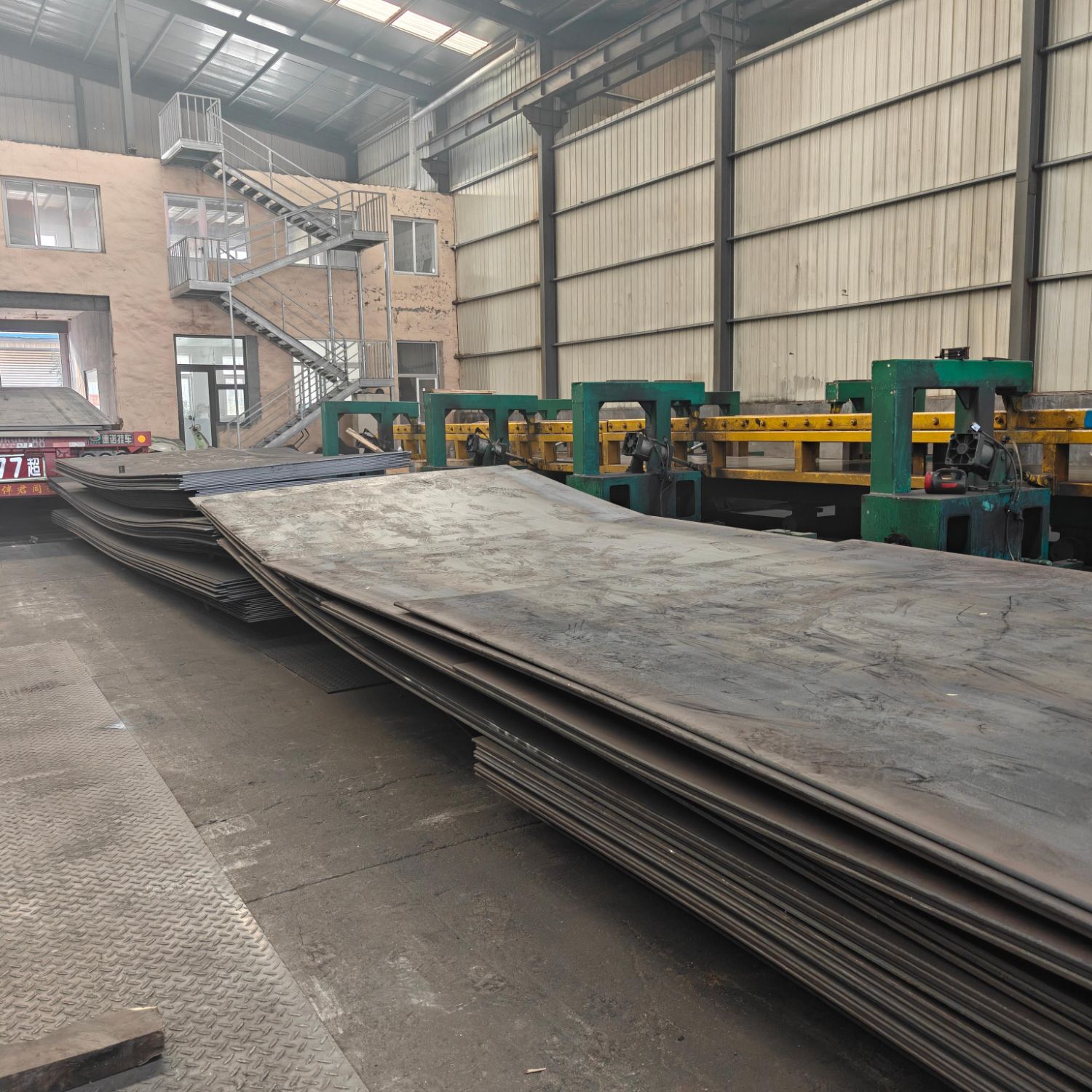
In the heart of the workshop, raw metal surrenders to the blaze, glowing a fierce amber as it melts into a river of liquid light. This isn’t just physics—it’s a conversation between maker and material, where years of instinct guide the pour into molds that breathe with potential. Every splash and shimmer carries a silent story, etched by heat into the very soul of the alloy.
Once hardened, the ingots meet the rolling mill, and the true dance begins. Massive rollers bite into the slab, squeezing and stretching it with relentless pressure that echoes ancient hammer strikes. The metal groans beneath the force, transforming inch by inch into sheets that ripple with undiscovered strength. It’s here that imperfections are banished and a uniform character is born, each pass leaving subtle traces of the fire’s earlier embrace.
Together, melting and rolling weave a narrative no machine can replicate. The initial chaos of flame, where everything is possible, gives way to the controlled rhythm of the mill, where form finds function. What emerges isn’t a simple blank—it’s a canvas laden with tension and resilience, ready to be cut, bent, or welded into something enduring. This is art that respects the elemental: earth turned to metal, fire turned to motion, and human will turned into craft that outlasts generations.
Beyond Strength: The Secret Chemistry of Marine-Grade Plates
Marine-grade plates don't rely on brute thickness to survive harsh saltwater environments. Their real advantage stems from a tightly controlled chemical recipe where chromium, nickel, and molybdenum interact to create a passive, self-healing oxide layer. This isn't a static coating—it continuously reforms when scratched, starving corrosion at the molecular level long before it can become visible pitting.
The carbon content is deliberately kept low to prevent chromium carbide formation at grain boundaries during welding, a common Achilles' heel in ordinary steels. Meanwhile, nitrogen is often added in micro-alloyed amounts to boost strength without sacrificing ductility, and precise manganese-to-sulfur ratios minimize harmful inclusions. These elements work together to resist both uniform attack and the far more dangerous crevice corrosion that thrives in stagnant seawater.
Processing techniques deepen the effect. Thermomechanical rolling and accelerated cooling produce an ultra-fine grain structure that acts as a barrier to crack propagation, while specialized quenching and tempering lock in toughness at sub-zero temperatures. It's a synergy of metallurgy and manufacturing that transforms a simple steel plate into a material capable of withstanding decades of wave pounding and chemical aggression.
From Blueprint to Seafloor: A Seamless Supply Chain
Turning an abstract design into a tangible subsea installation involves far more than manufacturing precision. It demands a supply chain that breathes in sync with engineering milestones, where materials are sourced not just for compliance but for endurance in saltwater graveyards. Early collaboration between designers and procurement specialists eliminates the friction that typically slows down offshore projects. Instead of handing off a static bill of materials, the team iterates in real time, swapping out long-lead titanium forgings for modular alternatives that can be tracked from foundry to dockside without a single paperwork gap.
Visibility is the unsung hero of this journey. Custom digital dashboards bring together live vessel positions, warehouse stock levels, and quality inspection statuses in one place—no more chasing emails or reconciling spreadsheets from three different time zones. When a critical valve fails a hydrotest at a supplier in Norway, the system automatically flags the nearest pre-qualified backup in Singapore, reroutes the rigging crew, and adjusts the installation schedule without a panic-stricken phone call. This level of choreography transforms potential disaster into a planned detour, keeping the subsea campaign on track even when the unexpected strikes.
The final stretch—lowering hardware to the seabed—remains the ultimate test of supply chain integrity. Every bolt, every sensor, every welded joint has a story of origin and handling that must withstand crushing pressures and corrosive currents. A seamless flow doesn't just mean faster delivery; it means the remotely operated vehicle pilot sees exactly what was promised, with zero last-minute substitutions or frantic deck modifications. From the first sketch on an engineer's screen to the quiet moment when a manifold locks into place on the seafloor, the chain holds—not because of rigid rules, but because each link was built to trust the next.
Where Innovation Meets the Ocean’s Fury
Out here, the ocean doesn’t just test your technology—it tries to break it. Every wave is a challenge, every storm a reminder that nature plays by its own rules. But that’s exactly why we build. The harshest marine environments demand more than just sturdy materials; they require a mindset that sees the impossible and asks, “What if?”
From autonomous vessels that navigate through typhoons to underwater sensors that withstand crushing depths, we’re not just solving problems—we’re redefining what’s possible at sea. It’s not about conquering the ocean, but about designing with a deep respect for its power, turning each setback into a blueprint for something stronger.
This is where theory gets saltwater on its boots. It’s messy, it’s unpredictable, and it’s where true breakthroughs happen. When innovation collides with raw, untamed energy, the result isn’t just survival—it’s a new way of thinking that ripples far beyond the shoreline.
A Legacy Cast in Iron and Salt
The earth here still sweats brine in summer, and the creek runs rust-red after heavy rain. You can't walk half a mile without kicking up a shard of slag from the old furnace days. It's a place where every fence post leans a little, weighed down by the stories they've absorbed over the last century and a half.
My grandfather swore the salt got into your bones, made you stubborn enough to keep digging when the seams ran thin. He'd point to the abandoned foundry on the ridge and say, "That iron built the bridges you cross without thinking." There was no romance in it for him—just callused hands and a quiet pride that curdled into silence when the works closed down.
Now, the town is quieter, but the legacy isn't gone. It's in the rust-colored trim on the houses, the faint tang on the breeze, the way folks still gather at the salt sheds turned community space. We're not mining or smelting anymore, but something else was forged here—a resilience that doesn't need a monument.
FAQ
Without the right steel, a ship is just a floating risk. This factory pours decades of metallurgical expertise into every plate, delivering grades that withstand corrosive saltwater, frigid temperatures, and constant stress. They don't just supply material; they engineer the foundation of sea-worthy innovation.
You'll find everything from high-strength structural plates for massive container ships to specialized types for liquefied natural gas carriers that keep cargo stable at cryogenic temperatures. They even produce abrasion-resistant plates for icebreakers. It's not just one product—it's a tailored solution for each vessel's mission.
Far from it. They use thermo-mechanical controlled processing that refines the grain structure without relying solely on costly alloys. Advanced continuous casting and ultrafast cooling technologies ensure the plates hit the exact mechanical properties needed, batch after batch.
Every plate gets ultrasound checks to spot internal flaws invisible to the eye. They also run Charpy impact tests at subzero temperatures to confirm toughness. Plus, the factory has its own lab to simulate decades of marine exposure in weeks, so nothing slips through.
Definitely. Their plates are in the hulls of some of the world's largest ultra-large crude carriers and next-generation military vessels. If you've seen a colossal cargo ship sliding into the water, chances are its skeleton came from here.
By shortening lead times and guaranteeing quality at scale, they give shipyards the confidence to take on more ambitious projects. It's not just about selling steel—it's about enabling the industry to push boundaries without material failures holding them back.
They've invested heavily in cleaner processes, like capturing waste heat to power rolling mills and using advanced filtration to minimize water consumption. The goal is to match the sustainability demands modern fleet operators have for their supply chains.
Conclusion
Walking through the vast production halls of the China Shipbuilding Steel Plate Factory, one senses the sheer weight of maritime history being forged in real time. The steel that leaves these lines doesn't just meet specifications—it embodies a tradition where melting and rolling become an art tempered by fire and precise metallurgy. Here, the secret chemistry of marine-grade plates is treated as a guarded craft; alloying elements are balanced not just for tensile strength but for resilience against salt spray, frigid waters, and the relentless flexing of ocean-going hulls. Every slab that glows in the rolling mill carries the hidden narrative of ships that have weathered monsoons, ice fields, and decades of service, quietly proving that the right steel can shape a seafaring legacy.
Beneath the surface, the factory's impact flows through a seamless supply chain that connects engineers' blueprints directly to the seafloor. Digital modeling and real-time data ensure that each plate arrives at the yard ready to form a precise part of a vessel's skeleton, reducing waste and accelerating construction. Innovation here means confronting the ocean's fury head-on: crack arrestor designs, corrosion-resistant layers, and weld-friendly chemistries are continuously refined through collaboration with naval architects. The result is more than a commodity—it's a cast-iron bond between land and sea, a quiet anchor of modern maritime engineering. As new ship classes evolve to meet cleaner energy demands, this legacy deepens, reminding us that behind every ship that sails, there is a factory where steel, science, and salt have forged an unbreakable partnership.
Contact Us
Contact Person: Zoey
Email: [email protected]
Tel/WhatsApp: +86 15865577002
Website: https://www.sanhesteels.com