

China Industrial Parts Sourcing Tips for Global Manufacturers
2026-10-27
Sourcing industrial parts from China shouldn't feel like a gamble. Yet for many global manufacturers, it does—misaligned specs, surprise costs, and suppliers who go silent after payment. That's why this guide cuts through the noise with hard-won tips from Zhaoyuqi, a manufacturer that has spent years helping international buyers secure reliable, high-quality components. Read on to learn how to source smarter, reduce risk, and keep your production lines moving.
Spotting Fake Factory Certifications Before You Pay
A certificate that can’t be checked independently is just paper. Take the certificate number and the issuing body’s full name, then confirm them on that body’s official public register or by calling their verification line. Don’t rely on a QR code printed on the document—those often point to a matching fake website. If the number doesn’t appear, the dates look altered, or the factory name is off by even one word, hold your payment.
Line up the certificate’s stated scope with what the factory actually offers. A supplier claiming ISO 9001 for metal stamping but quoting you injection-molded parts is a mismatch worth walking away from. Ask for a recent audit summary and the factory’s business license, then confirm the registered company name and address match the account where you’re being told to send money. If the names differ or the license address belongs to a residential flat, that’s enough to pause.
Watch how the seller reacts when you push for verification. Legitimate factories expect buyers to check certificates and will usually send the registrar’s contact or a live link to the entry. If the salesperson insists the certificate is 'confidential', offers a deep discount for paying before you verify, or pressures you with a fake deadline, treat it as a confession. A small sample order or third-party factory audit is cheaper than recovering a wire transfer.
Why the Cheapest Quote Usually Costs More Later
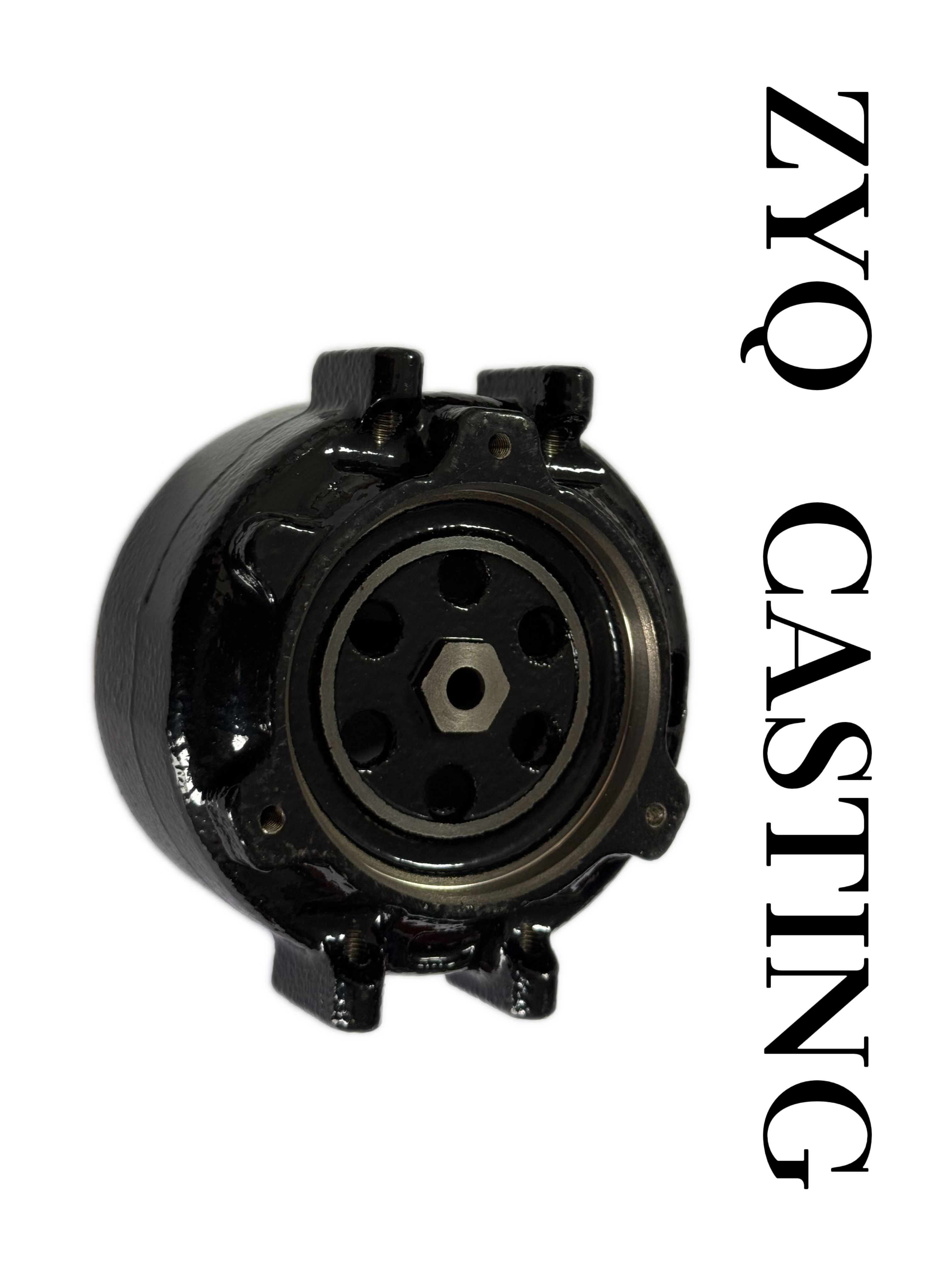
A low bid often hides thin margins, and contractors protect themselves by cutting corners or pushing change orders once the job is underway. That bargain price can quietly turn into surprise fees for materials that were never included, or rework when the initial install falls apart.
Cheap quotes also tend to leave out the less glamorous parts of a project: permits, cleanup, quality fasteners, proper prep. Those omissions surface later as add-ons, and by then you've already locked yourself into a contract with someone who has no financial room to fix mistakes without charging extra.
The real cost difference shows up months or years later, when the budget option needs repairs, replacement, or a full redo. Spending more upfront on a detailed, honest quote usually buys materials that last and labor that doesn't disappear after the first payment clears.
Using Local Agents Without Losing Control
The appeal of local agents is obvious—they run where your data lives, respond without round-trips to a remote API, and can keep sensitive work inside your own environment. But handing them a task list without boundaries is a quick way to watch them wander. Control doesn't mean blocking autonomy; it means giving the agent a clear sandbox, explicit permissions, and a way to ask before stepping outside it.
One practical pattern is to treat local agents like junior collaborators who need checkpoints. Let them draft, search, and assemble locally, but require approval for irreversible actions—file deletion, sending email, modifying system configs. That can be as simple as an allowlist of tools and a deny-by-default policy for everything else. You stay in the loop without micromanaging every step.
Logging and replay matter more than people expect. Because local agents can run for a long time unattended, you need a trail showing what they tried, what they changed, and why. Storing those traces locally—not in some external dashboard—keeps the same privacy promise while still letting you audit behavior and tighten rules after a bad run. Control then becomes a product of visibility, not constant supervision.
Quality Checks That Survive Chinese Holidays
Before the holiday rush hits, shift your quality checks from reactive firefighting to proactive automation. Write a checklist that covers every critical path—payments, login, order flow—and then script it. Tools like Selenium or Playwright aren't just for developers; give your QA team a day to convert manual test cases into lightweight automated suites. That way, when the office empties for Spring Festival or Golden Week, the checks keep running at 3 a.m. without anyone clicking through forms. The key is to make the scripts resilient: use explicit waits, avoid hard-coded dates, and mock external APIs so a third-party holiday outage doesn't kill your entire suite. A failed automated test should trigger a Slack alert, not a phone call to someone's grandma's house.
Holidays also expose the fragility of relying on a single QA hero. Cross-train two or three people from other departments—support, operations, even marketing—to handle basic triage. Give them a one-page runbook: how to restart the test environment, how to read a stack trace's first ten lines, and when to escalate. Better yet, contract a third-party testing service for the holiday week. Many firms offer burst capacity at reasonable rates, and they don't care about your office party. The goal is to build a human redundancy layer so that if your lead tester is stuck on a train to Harbin, the release doesn't stall.
After the holiday, don't just mark tickets as "resolved" and move on. Pull a report of every defect found during the break and categorize them by root cause: environment drift, missing test coverage, or third-party changes. Then hold a 30-minute post-mortem with the whole team—not to assign blame, but to update the checklist and automation scripts. Maybe you discovered that your payment gateway performs scheduled maintenance on the second day of every Chinese New Year, or that a mobile app update breaks your UI tests. Codify that knowledge. Over time, you'll build a holiday-proof QA process that doesn't depend on heroics or luck, just preparation and iteration.
Smart Payment Structures for First Orders
Most first-order drop-offs happen at the payment step, and it's rarely about price alone. The issue is trust: a new customer doesn't know yet whether your delivery, quality, or support will match the promise. A smart structure lowers that risk without forcing you to discount. Try splitting the total into a 40% reservation fee at order confirmation and the remaining 60% only after the work is approved or the goods are checked. This gives the buyer a clear escape route if something goes wrong, which paradoxically makes them more confident to click "pay."
For custom or service-based work, avoid the classic 50/50 split—it still leaves too much money at stake before any value is visible. A better move is three milestones tied to tangible outputs: 30% to lock the schedule, 40% when the first complete draft or prototype is delivered, and 30% upon final handover. Name the milestones in the invoice itself, so the payment request feels like a progress update rather than another charge. When buyers see exactly what each payment unlocks, they stop mentally renegotiating the total and start evaluating the next step.
One underused lever is a first-order-only guarantee attached to the payment plan. For example, offer a two-week "pay after approval" window on the final installment, or refund the reservation fee as store credit if the project is cancelled before production begins. You can also pair the structure with a small incentive—like waived transaction fees or a future credit—only for customers who accept automated milestone billing. The goal is to make the first transaction feel like a low-stakes trial of your reliability, not a leap of faith.
When to Walk Away From a Supplier Negotiation
Walking away isn't a sign of failed negotiation—it's often the clearest signal that you understand your own limits. Before sitting down, define the floor: the highest price, the latest delivery window, the minimum quality standard you can accept. If a supplier keeps pushing past that line, or tries to redefine terms mid-conversation, continuing only wastes time and weakens your position.
Pay attention to behavioral red flags that go beyond numbers. A supplier who won't commit details to writing, dodges direct questions about capacity, or suddenly introduces new conditions after a verbal agreement is telling you something important. These are rarely isolated incidents; they hint at how the relationship will operate once the contract is signed.
There are also moments when walking away is a deliberate tactic, not a reaction. If you have a viable alternative or can delay the purchase without real damage, ending the negotiation can reset expectations. A supplier who sees you're prepared to leave often returns with better terms—or you discover the deal wasn't worth chasing in the first place.
FAQ
Watch how the supplier responds when you ask for the names of their raw material sources. A factory that hesitates, gives vague answers like 'we use several local mills,' or suddenly changes the subject may be hiding inconsistent input quality. Legitimate shops usually share at least the grade or region of steel, plastic resin, or alloy they buy. Ask for a recent purchase invoice for the specific material used in your sample batch, with prices blacked out if needed. Also check if the factory's equipment list matches what you see during a video call—mismatched machine brands or capacities often mean they outsource more than they admit. These small inconsistencies tend to surface before bigger failures, so treat them as early warnings rather than negotiating points.
Don't start by squeezing the quoted price. Instead, look for ways to reduce the supplier's actual production cost. For example, if you can relax a non-critical tolerance from ±0.02 mm to ±0.05 mm, the factory may cut machining time and scrap rate dramatically, and you'll see that reflected in a lower quote. Batch similar parts together so the shop can share setup and tooling. Share a rolling 90-day forecast so they can buy raw material in larger lots and pass on some savings. Some buyers also set a small quality bonus per shipment—say 1-2% of invoice value—if the first-pass yield stays above a target. You pay a bit more when things go right, but you avoid the hidden costs of sorting, rework, and line stoppages that come from chasing the absolute lowest price.
Offer a trade that costs you little but saves them money. For instance, agree to use a standard material size they already stock instead of a custom blank, or accept their standard packaging instead of your branded boxes. In return, ask for a 3-5% unit price reduction. Another approach is to propose a tiered pricing structure: if they hold the price for the first 10,000 units, you guarantee a second order within 60 days. Many Chinese suppliers value predictable volume over one-time margin. Avoid making threats about moving to another factory—experienced sales managers hear that daily and it usually hardens their position. Instead, frame the conversation around removing their cost drivers, and you'll often get a better net price than a blunt discount request would yield.
Ask for a live video walk-through on WeChat or Teams, not a prerecorded tour. Have the person hold up a dated newspaper or your company name written on a whiteboard to confirm it's real-time. Then request to see a specific machine in operation—give them the model number from the quote and ask them to pan the camera over its nameplate. If you're concerned about outsourcing, ask the supplier to engrave a temporary mark or paint a dot on your parts mid-production and show you the batch on video. Also request copies of the last three months' electricity bills or employee social insurance payment records. Factories with real production tend to have utility usage that roughly matches their claimed capacity, while trading companies or thinly-staffed middlemen often can't produce such documents without hesitation.
The biggest one is inaccurate HS code classification. Many buyers let the supplier choose the code to speed things up, but a code that attracts lower duty in China may trigger a higher rate in your country—or worse, a customs hold and back-duty assessment. Get the exact material composition, function, and intended use from the supplier, then have a licensed customs broker in your destination country pre-classify the part before shipping. A second common mistake is ignoring wood packaging rules. If your parts arrive on untreated wooden pallets or crates, they can be fumigated at the port at your expense or refused entirely. Specify ISPM 15 compliant packaging in the purchase order. Finally, clarify who pays destination terminal handling charges, document fees, and trucking—many quotes look cheap but leave those costs to surprise you later.
Realistic protection is about making theft harder and more traceable, not preventing it absolutely. Start by filing design patents or utility models in China before you send complete drawings—Chinese customs can seize infringing exports if you have local registration. Then split your technical package: give the factory only the dimensions and tolerances needed for production, not the full assembly context or end-use drawings. For molds or dies, sign a separate tooling agreement that states you own the tool, it's tagged with your asset ID, and the factory must get written approval before moving or copying it. Ask for a photo of the tool with a dated tag every quarter. Also limit drawing access to named individuals and use watermarking with the recipient's email. These steps won't stop a determined bad actor, but they create a paper trail that makes legal action possible and discourages casual copying.
It depends on your order profile and in-house expertise. If you're buying a single high-volume part like a CNC bracket and you have an engineer who can review material certs and coordinate quality checks, going direct usually saves 8-15% and gives you better control over processes. But if you need multiple part types from different processes—say casting, machining, and plating—a competent trading company can consolidate those, handle small-batch orders, and provide on-the-ground inspection. Their markup may be less than the cost of you managing three separate factories, paying multiple bank fees, and dealing with language barriers. A good rule of thumb: if your annual spend with one factory would exceed about $200,000 and you have local quality support, go direct. Below that or across fragmented supply, a trading partner often delivers better total value.
Assume the supplier will eventually try to reduce their own costs unless you make that hard to do silently. Establish a 'golden sample' and a one-page quality checklist for every part number, and require a signed dimensional report and material certificate with each shipment. Keep your own master samples from the first approved batch and compare incoming parts against them, not just against the supplier's own reference. Ask for advance notice if they want to change any raw material source, heat treatment vendor, or plating line—write that into the purchase order. Then do periodic unannounced video inspections during production, not just before shipping. Many quality slips happen when a factory gets busy and subcontracted some operations, so a quick live check of the actual process line can catch that early.
Conclusion
Sourcing industrial parts from China can be highly profitable, but only if you approach it with a healthy dose of skepticism. One of the first things to verify is any certification a factory shows you. Scammers often print impressive-looking ISO or CE documents that are either outdated or entirely fake. Before sending any money, call the issuing body or check the certificate number online. Never rely on a supplier's own website copy. Along the same line, that rock-bottom quote you received is almost always a trap. Cheaper components often mean substandard materials, loose tolerances, or hidden charges for tooling, packaging, or export paperwork. The real cost hits you later in the form of rejected shipments, production delays, or expensive rework. Think of the lowest bid as an invitation to audit the supplier twice as hard, not as a shortcut to savings.
If you plan to use a local agent to handle negotiations or inspections, set clear boundaries from day one. Agents can be invaluable for language and logistics, but they also create a layer of distance between you and the factory. Require weekly photo reports, live video calls, and direct access to the production line whenever possible. During Chinese public holidays like Spring Festival or Golden Week, quality checks often go quiet. Smart buyers schedule critical inspections before the holiday rush and pre-arrange backup inspectors who are willing to work through the break. For first orders, never pay 100% upfront. A balanced structure such as 30% deposit, 40% after pre-shipment inspection, and 30% after delivery gives you leverage. Finally, know when to walk away. If a supplier pressures you to skip inspection, changes payment terms at the last minute, or becomes evasive about production updates, end the negotiation. There are thousands of other factories eager for your business.
Contact Us
Contact Person: Nico Yin
Email: [email protected]
Tel/WhatsApp: 8618561567088
Website: https://www.ductileironparts.com/