

China Fabric Hot Stamping Foil Supplier Guide to Premium Textile Finishing
2026-06-02
Unlock the secret to stunning textile finishes with hot stamping foil. As a leading China fabric supplier, GUMPTION reveals how premium foils transform ordinary fabrics into luxurious masterpieces—ready to captivate designers and elevate your production line.
The Hidden Strengths of China's Hot Stamping Foil Makers
For years, the narrative around China’s hot stamping foil sector focused on scaled-up imitation. But beneath the surface, a quiet transformation took root. These manufacturers didn’t just copy; they reverse-engineered the chemistry of adhesion, heat resistance, and metallic luster with obsessive depth. Small in-house labs, often overlooked, now rival overseas R&D centers in formulating foils for extreme conditions—think automotive interiors that endure years of sun bleaching, or packaging that survives steam sterilization. That deep material-science grounding is a muscle they built out of necessity, and it’s turned into a genuine competitive edge that few outsiders recognize.
Another unsung asset lies in their supply chain choreography. Unlike many Western producers who rely on dispersed, slow-moving raw material networks, China’s foil makers sit at the center of a tightly woven ecosystem. A custom order for pearlescent foil on textured wine labels doesn’t take months; a nearby pigment supplier, a toolmaker down the road, and an in-house design team iterate within weeks. This speed isn’t just about cost—it’s about solving problems before the trend shifts. When a luxury brand suddenly demands a fingerprint-resistant matte finish, these makers pivot with a swagger born from proximity and practice.
Perhaps the most underestimated strength is their sideways leap into sustainability. While the industry buzzwords stuck to recycling percentages, a cluster of Chinese firms started treating waste foil not as trash but as a raw material stream in a closed-loop system. They’ve pioneered biodegradable transfer films and low-VOC release coatings well ahead of regulatory mandates, partly driven by local environmental crackdowns that forced a rethink. That pressure-cooker necessity produced solutions that now quietly power eco-conscious packaging in Europe, all without the marketing fanfare that usually accompanies such breakthroughs.
Key Tests for Assessing Foil Durability on Fabric
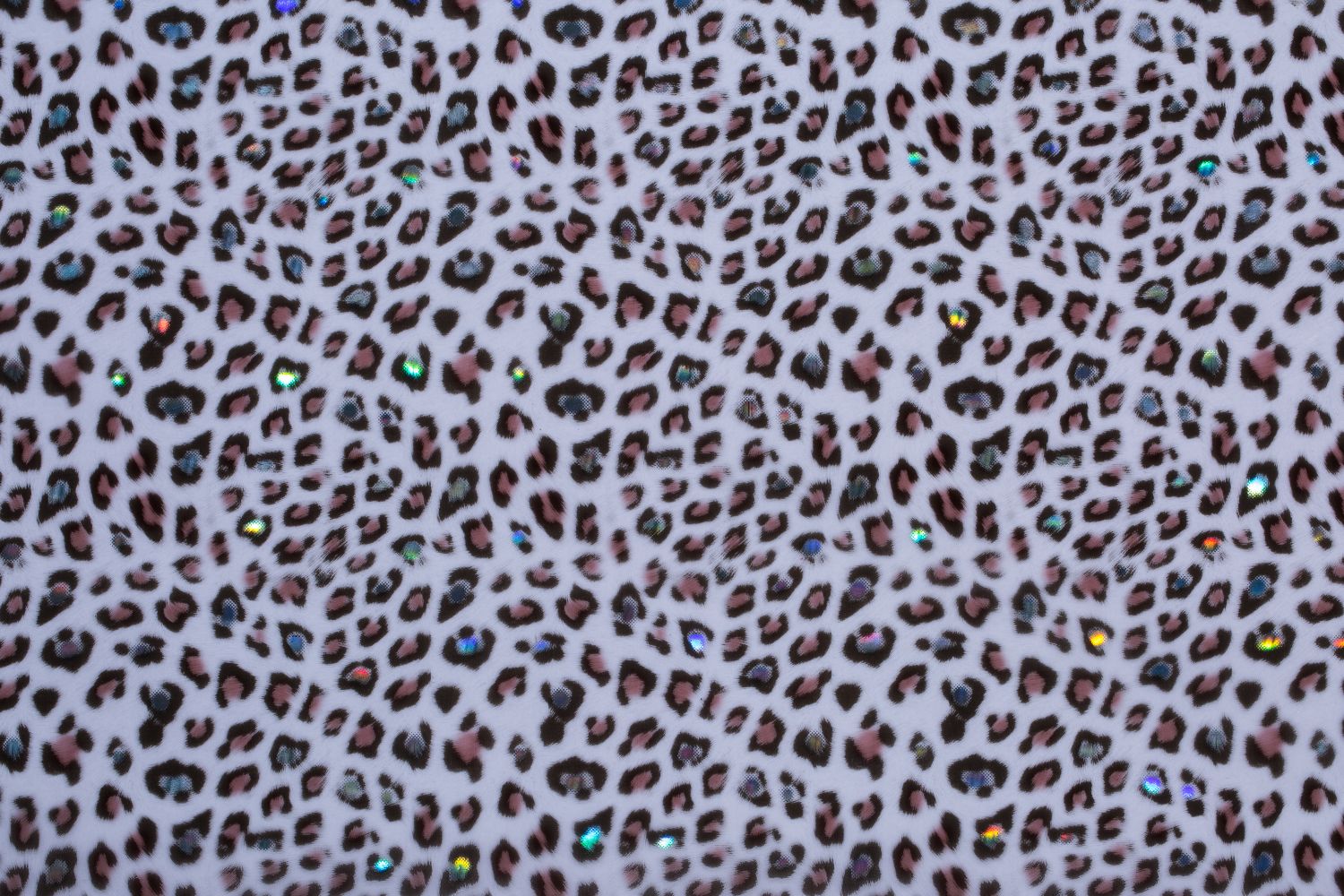
A reliable starting point is the tape adhesion test, which quickly reveals how well the foil grips the fabric surface. A strip of high-tack tape is pressed firmly over the foiled area and then yanked off in one swift motion. If specks or larger sections of foil lift away with the tape, it’s a clear signal that the bond isn’t strong enough for real-world wear. Many studios perform this simple check right after foiling, before moving on to more involved assessments, because it immediately separates firmly anchored designs from those that are likely to fail early.
Rub and abrasion tests simulate the everyday friction that comes from handling, folding, or brushing against other materials. For instance, a crockmeter with a standard cotton rubbing cloth is passed repeatedly over the foil, first dry and then with a damp cloth to mimic moisture exposure. By counting how many cycles it takes for noticeable deterioration or color transfer to appear, you get a practical gauge of durability. This method helps pinpoint whether the foil can survive on items like sleeves, bag linings, or upholstery without quickly losing its visual appeal.
Flexing and crease-recovery tests target the stress that fabrics undergo during regular use and care. A sample is repeatedly folded, twisted, or crushed—often using a specialized flexing machine—and then examined under magnification for cracks, flaking, or detachment along fold lines. Washing and dry-cleaning trials go one step further by exposing the decorated fabric to full cleaning cycles, checking not only whether the foil remains intact but also if it retains its original luster. Together, these steps build a complete picture of how a foil finish will hold up over time, guiding decisions about which adhesive, foil type, and fabric pairing works best for a given application.
Custom Foiling Solutions That Elevate Brand Textiles
Foil stamping turns ordinary fabric into a tactile brand statement. By applying metallic or holographic finishes to textiles, we create striking contrasts that catch light and attention. Each design is meticulously crafted to ensure the foil adheres perfectly, even on textured or stretchable materials, so your logo or pattern stays crisp through wear and washing.
Beyond basic gold and silver, our palette includes rose copper, prismatic shifts, and matte foils that mimic premium finishes like leather grain or brushed metal. We work closely with fabric specialists to match the foil type to the textile's weight and drape, ensuring the end result feels as good as it looks. This attention to detail helps your branded apparel, bags, or home linens stand apart from mass-produced alternatives.
Our process is built for flexibility, whether you need short runs for limited-edition merchandise or large-scale production for corporate uniforms. We prioritize eco-conscious practices by using water-based adhesives and recycling foil waste wherever possible. The outcome is a durable, eye-catching embellishment that reinforces brand identity without compromising on sustainability or fabric integrity.
Navigating Foil Stamping Pitfalls from Design to Production
Too often, the allure of foil stamping leads designers to overlook its technical boundaries. Fine details that look crisp on screen can turn into a muddy mess under heat and pressure. Lines thinner than 1 point tend to disappear, while large solid areas may trap air and create a mottled finish. The real trick isn’t just avoiding these extremes, but understanding how the foil interacts with your chosen stock—coated papers release foil more cleanly, while uncoated textures demand thicker foils and slower runs to fill every crevice.
Even a flawless design can stumble at the prepress stage. File setup errors are rampant: forgetting to convert text to outlines, using RGB colors instead of clear vector fills, or not communicating proper overprint settings. Many designers also underestimate the importance of trapping. Without a slight overlap between foil areas and adjacent print, you risk revealing unprinted gaps if the stamp doesn’t hit with absolute precision—and it rarely does. A pre-production meeting with your finisher can catch these issues before metal hits paper.
On press, the difference between a crisp result and a costly reprint often comes down to makeready. Operators must fine-tune heat, dwell time, and pressure for every job, yet batch variations in foil or stock can derail the entire setup. Smart teams run press proofs on live materials rather than wasting a finalized sheet, swapping out anvils and adjusting temperature in small increments. It’s a tactile, almost iterative dance that rewards patience and a well-documented record of past successes and failures.
Material Innovations and Eco-Trends in Premium Fabric Foils
The shift towards sustainability is reshaping the premium fabric foil landscape in unexpected ways. Designers are now blending recycled metallic fibers with organic cotton and peace silk to create foils that shimmer without guilt. These hybrids not only reduce reliance on virgin materials but also introduce subtle irregularities in texture and reflectivity—making each yard feel more handcrafted than machine-made. The trend is moving away from uniform mirror finishes toward nuanced, patina-like surfaces that tell a story.
Innovation is also bubbling up in how foils are applied and bonded. Water-based adhesives and low-heat transfer processes are replacing solvent-heavy methods, cutting both emissions and energy use. Some mills are experimenting with bio-based release liners and compostable film carriers that disappear when the fabric reaches end of life. The result is a quieter kind of luxury—where the tactile pleasure of a buttery, metallic foil sits alongside a far lighter environmental footprint.
Perhaps the most exciting eco-trend is the reclamation of foil offcuts and end-of-roll waste. Small ateliers are collaging these fragments into bespoke panels, creating one-off garments and accessories that celebrate circularity. Larger brands are taking note, integrating post-industrial foil scraps into new collections as a badge of responsible opulence. It’s a clear sign that the future of premium foils isn’t just about looking brilliant—it’s about making sure that brilliance doesn’t cost the earth.
Selecting Long-Term Partners: A Framework for Supplier Reliability
Pinning down a supplier’s long-term reliability requires looking beyond glossy certifications and polished pitch decks. We start by mapping the interdependent layers of their operational chain—raw material sourcing, production agility, logistics redundancy, and quality control loops. A supplier might ace an audit today, but the real test lies in how they absorb shocks: a sudden raw material shortage, a customs freeze, or a spike in demand without warning. Our framework scores potential partners on “recovery time” and “adaptive capacity,” drawn from historical data, not just promises. One automotive client overlooked a tier-2 supplier’s single-source dependency, and a minor resin shortage cascaded into three weeks of stalled assembly lines. We’ve since built that lesson into a stress-simulation model that reveals hidden fragility before contracts are signed.
Cultural alignment often gets treated as a soft metric, but we’ve found it hardens into a financial risk when timelines diverge. A supplier might meet specifications flawlessly yet clash on decision-making speed or problem-escalation protocols. Our framework includes structured “behavioral audits”—joint scenario exercises where both teams respond to a simulated supply crisis, revealing friction points in communication and accountability. In one case, a European manufacturer discovered their Asian component supplier wouldn’t challenge a flawed design spec, just kept churning out parts to avoid confrontation. That passivity cost six months of rework. Now, we quantify “psychological safety” in supplier relationships, mapping it directly to defect rates and lead-time deviations. Long-term reliability doesn’t just come from machines; it’s shaped by how freely people exchange bad news.
Contracts and KPIs alone can’t guarantee endurance through market shifts. We advocate for a “partnership resilience index” that tracks not just on-time delivery and defect ratios, but also a supplier’s investment in mutual growth: do they co-fund R&D for shared product lines? Are they transparent about capacity constraints before they become crises? A food packaging partner once voluntarily alerted us to a pending regulatory change in their raw material, giving us nine months to reformulate—three times the notice a transactional supplier would have provided. That foresight became a weighted metric in our framework, recognizing that reliability isn’t static; it’s a continuous, two-way commitment. We’ve seen that suppliers who embed their success into your own evolve from vendors into strategic allies who will walk through fire with you—not because a contract says so, but because they’ve already lit the match on their side of the table.
FAQ
Hot stamping foil adds metallic or patterned effects to fabrics through heat and pressure. It's commonly applied to garments, accessories, and home textiles to create eye-catching logos, decorative accents, or all-over shimmer that catches light beautifully.
It brings a premium look by bonding a thin metallic layer onto the textile surface. You can achieve finishes from mirror-like chrome to subtle holographic effects, making even simple cotton or polyester fabrics look luxurious and high-end.
Focus on their material quality, consistency across batches, and ability to customize colors or patterns. A reliable supplier will provide samples, share technical guidance on application temperatures, and have a track record of working with textile manufacturers globally.
Yes, foils differ by release temperature, adhesive compatibility, and flexibility. For example, stretchy fabrics like spandex need a more elastic foil to prevent cracking, while sturdy denim works well with standard metallics. Always match the foil type to your base material.
Proper adhesion depends on three things: the right combination of heat, pressure, and dwell time. Pre-test on fabric swatches, ensure the surface is clean and flat, and use a silicone rubber die for even pressure distribution. Storage conditions also matter—keep foils away from humidity.
Chinese suppliers often offer competitive pricing without sacrificing variety. You'll find an extensive range of finishes and custom options, fast turnaround on bulk orders, and many factories are equipped to handle both small-scale sampling and large production runs efficiently.
It can be applied to most fabrics, but the technique varies. Natural fibers like cotton may need a pre-treatment or a higher temperature, while synthetics like polyester require careful heat control to avoid melting. Blends generally perform well with a mid-range setting.
Inconsistent transfer, peeling after washing, or poor detail replication are typical issues. To overcome these, calibrate your machine settings precisely, use quality silicone rollers, and always test wash durability. Choosing a foil with a strong adhesive layer designed for textiles also makes a big difference.
Conclusion
Behind the consistent performance of today’s premium fabric foils lies a layer of Chinese manufacturing expertise that often goes unnoticed. Top-tier suppliers have moved far beyond simple commodity production, embedding deep R&D into metallic, holographic, and pigment foil formulations that bond reliably to delicate silk, rugged denim, or performance synthetics. What sets these makers apart is not just price, but a systematic approach to problem-solving: they run rigorous wash-fastness, crocking, and elongation tests as standard, ensuring foils survive 40°C home laundering or industrial dry cleaning without peeling. Their custom capabilities are equally pragmatic, aligning foil chemistry with a brand’s pantone palette and handle requirements, so a soft matte gold on organic cotton behaves nothing like a high-gloss silver on nylon. Yet even with these strengths, pitfalls lurk in the transition from swatch to bulk, and experienced suppliers help designers sidestep common missteps—improper adhesive selection, insufficient dwell time, or mismatched release liners—through early-stage technical reviews.
The next frontier for China’s foil specialists is being shaped by material science and ecological accountability. Water-based and bio-sourced foil constructions are replacing solvent-heavy alternatives, reducing VOC emissions without sacrificing mirror-bright finishes. Smart foil concepts with thermochromic or conductive properties are also emerging, giving textiles a functional edge. When evaluating a long-term partner, these innovation signals matter as much as production capacity. A trustworthy supplier operates with transparent batch traceability, offers on-site color matching, and willingly shares wear-test data rather than glossy brochures. They view the relationship as a co-development investment, adapting their formulations to evolving textile regulations (like ZDHC and OEKO-TEX® standards) before compliance becomes a bottleneck. In a market where brand differentiation hinges on tactile and visual details, choosing a foil supplier who pairs technical depth with genuine sustainability commitments is the clearest path to elevating finished goods.
Contact Us
Contact Person: Hsien
Email: [email protected]
Tel/WhatsApp: +86 57387072688
Website: https://www.gsfilm.cn