

Bias Cutter Vendor Selection Tips for Effortless Fabric Cutting
2026-10-01
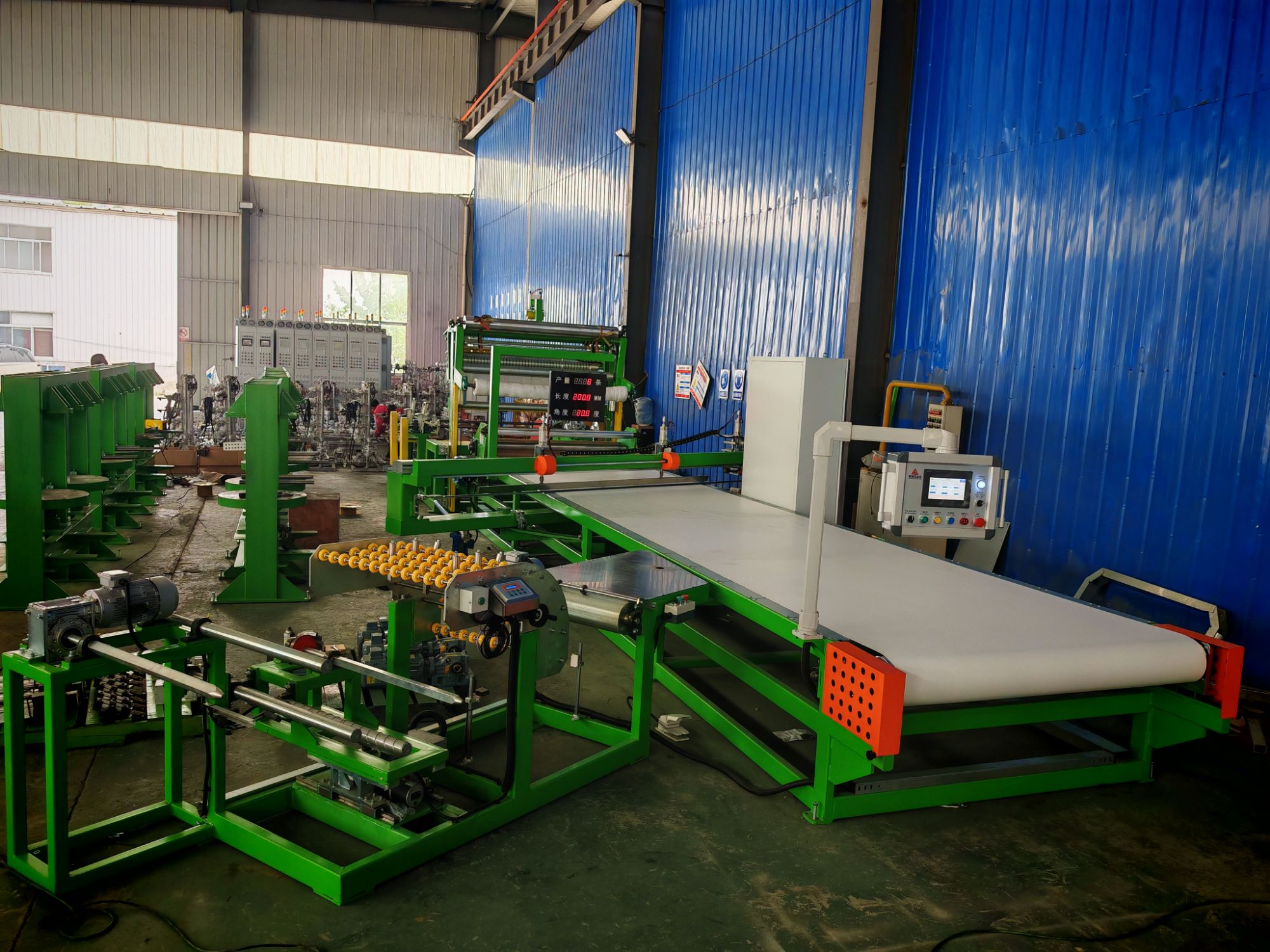
Stop guessing which bias cutter vendor will actually deliver. We've all burned hours wrestling with inconsistent cuts and flimsy machines. That's why we're sharing the exact vendor selection criteria that separate effortless fabric cutting from endless frustration. No sponsored fluff—just field-tested insights, including why AUGU AUTOMATION keeps earning repeat orders from serious workshops.
Look Beyond the Spec Sheet to See Real Cutting Performance
Numbers on a datasheet rarely survive contact with a real workpiece. Feed rates and spindle speeds look impressive in a brochure, but they don't tell you how a tool behaves when the material has hard spots, the coolant pressure dips, or the setup has a bit of chatter. Real cutting performance shows up in the feel of the first pass, the consistency of the chips, and whether the insert still has an edge after a shift of production. That's the difference between a spec that meets a benchmark and a cutter that earns its keep on the floor.
The honest test is not a single optimized cut but a messy week of mixed jobs. A tool that shines on a clean aluminum coupon can fall apart on stainless with interrupted cuts or a deep pocket. You need to watch how the edge wears over dozens of parts, not just the first one. Does it break down gradually and predictably? Does it tolerate a less-than-perfect operator who pushes the feed a little too hard? These are the qualities no spreadsheet column captures, and they only reveal themselves when you stop reading and start machining.
So before you trust the claimed metal removal rate, ask for a trial on your own parts, in your own machine, with your own coolant. Pay attention to the sound, the vibration, and the tool life per edge. Compare the cost per hole or per pocket, not the price per insert. That's how you find a cutter that delivers real cutting performance, not just a spec sheet that looks good in a slide deck.
Blade Quality That Actually Lasts Under Daily Use
A blade that survives daily use isn't about a single dramatic test—it's about how the edge behaves after the hundredth meal prep. The steel matters less than the heat treatment behind it. A well-hardened blade keeps its bite through repetitive contact with poly boards and acidic ingredients, where softer edges roll and overly brittle ones chip. The feel after two weeks is the real spec sheet.
Grind geometry does the quiet work that marketing numbers can't. A slightly convex edge with a clean apex will push-cut tomatoes long after a polished but fragile edge gives up. Daily drivers need that balance: enough thinness behind the edge to work without force, enough steel behind the thinness to resist micro-chipping. You notice it when the knife still catches paper after a month of breakfasts and dinners.
After-Sales Support Can Make or Break Your Investment
Plenty of buyers fixate on the upfront price, the spec sheet, or the sleek demo. But the real test of a purchase often arrives weeks or months later, when something doesn't work as expected and you need a human who can actually solve the problem. That's when you discover whether you bought from a vendor who stands behind their product or one who vanishes after the invoice is paid.
Strong after-sales support isn't just a nice extra—it changes how you use the product every day. Instead of dreading a software glitch or a hardware fault, you know there's a reliable path back to normal. That peace of mind means you can focus on your own work rather than becoming an unpaid troubleshooting expert. Over time, this quiet reliability compounds, saving hours of frustration and protecting the value of what you originally paid for.
On the other hand, weak support can turn a modest issue into a costly headache. Long wait times, scripted responses that ignore your actual question, or a refusal to honor the warranty can erode trust faster than any product flaw. A lower initial price may look smart until you're stuck with a broken tool and no one to call. In the long run, the quality of support often decides whether an investment feels like a bargain or a burden.
Why Ergonomics Matter More Than You Think for Cutting
Most people pick up a cutting tool and focus entirely on the blade—sharpness, angle, material. But your hands, wrists, and shoulders are doing the real work. A poorly angled handle forces your wrist into awkward positions, and over time that turns into tendon strain you won't notice until it's too late. Ergonomics isn't a luxury add-on; it's the difference between a clean cut and a long-term injury.
Think about the last time you spent an hour breaking down cardboard or trimming dense material. If your hand cramped or your forearm ached afterward, that wasn't just fatigue. It was your body compensating for a tool that fights your natural grip. Well-designed cutting tools align with the neutral position of your hand, letting the larger muscle groups do the heavy lifting instead of the delicate tendons in your fingers.
The hidden cost of ignoring ergonomics shows up in precision too. When you're fighting discomfort, your control suffers—cuts wander, pressure becomes uneven, and mistakes multiply. A tool that fits your hand naturally doesn't just feel better; it lets you hold a straighter line for longer without micro-adjustments. That extra stability is what separates a rough job from a professional finish.
Can the Vendor Handle Your Fabric’s Unique Quirks
Every fabric brings its own personality to the cutting table—some slip, some stretch, and a few seem to fight every pin you place. A vendor who only knows how to handle basic cottons will hit a wall when your design calls for a delicate silk chiffon or a heavily textured boucle. The real question isn’t whether they claim experience, but whether they can point to specific past projects where they tamed a challenging material without compromising the pattern’s integrity.
Ask about their approach before you commit. Do they adjust cutting techniques for bias-prone wovens? Can they stabilize knits without distorting the grain? A skilled vendor will discuss trade-offs openly—like how a heavy embellishment might affect drape—rather than promising perfection. You want someone who sees quirks as part of the craft, not as obstacles to rush through.
The best way to gauge this is by sending a swatch or a small test run. Pay attention to how they handle your fabric’s quirks in real time: Do they ask about your end use? Do they suggest seam finishes that suit the hand feel? A vendor who treats your fabric’s unique behavior as a collaboration point, not a complaint, will save you from costly surprises later.
Price Versus Long-Term Value Where Smart Buyers Draw the Line
Many shoppers fixate on sticker price and ignore what happens after the register. Smart buyers start with a different set of questions: How long will this actually last? What does routine upkeep cost? Will I still reach for it a year from now? A budget kitchen appliance might save $200 today but fail just outside the warranty, while a mid-range model with accessible parts runs quietly for a decade. The upfront number is only one frame in a much longer movie.
The line smart buyers draw isn’t between cheap and expensive. It’s between short-term savings and durable usefulness. Take footwear: a $60 pair that cracks after one winter costs $180 over three years, while a $180 pair that gets resoled twice lasts eight. The cheaper option isn’t cheaper—it’s just delayed spending. The same logic applies to tools, appliances, and even software subscriptions. A one-time rental for a weekend project often beats a low-cost drill that ends up gathering dust.
Long-term value also includes less obvious factors like repair support, material quality, and resale potential. A smart buyer checks whether replacement parts are easy to find, whether warranty claims are handled without friction, and whether the item holds any secondhand value. Price is a snapshot; value is a calculation of time, stress, and replacement cycles. That’s where the line gets drawn—not at the checkout, but months and years down the road.
FAQ
Look closely at the build materials and blade sharpness retention. A vendor that offers demonstration videos or lets you test with your own fabric can reveal more than spec sheets ever will.
Ask about their spare parts inventory and typical response time for technical support. A vendor who can ship common wear parts within a few days and has a real person answering support calls is a safer bet.
Yes, pay attention to the cutting table height, feed mechanism, and how easy it is to change blades. Ergonomic details like a foot pedal or automatic stop can make long cutting sessions much less tiring.
Find out if they offer adjustable guides or modular attachments, and whether there's an extra charge for non-standard setups. A good vendor will walk you through the modification process without making you feel rushed.
It matters more for shipping and service than for the machine itself. A nearby vendor can offer quicker onsite repairs, but a distant vendor with a strong courier network and clear remote troubleshooting can still be a solid choice.
Be wary of vendors who avoid giving a clear delivery timeline, don't have any customer references, or pressure you to pay in full before production. Vague answers about blade replacement costs are another warning sign.
Often yes, especially if you're buying multiple machines or can order during a slower season. Some vendors will offer a short trial or a discounted first order of replacement blades to build trust.
Add up the initial price, expected blade replacement frequency, electricity use, and the cost of spare parts over three to five years. A cheaper machine can end up costing more if blades dull quickly or parts are hard to find.
Conclusion
Bias cutters earn their place on the cutting table only when the blade glides through stacked layers without dragging, fraying, or producing that telltale wavy edge. A spec sheet might promise clean geometry, but you need to see a vendor demonstrate cuts on the exact fabrics you run daily—silks, heavy canvas, knits, or loosely woven tweeds. Watch how the machine handles bias grain, because that diagonal stretch exposes weaknesses in feeding, blade pressure, and guide stability. The blade itself should hold an edge through long shifts; ask for wear data or references from shops with similar volume. If the vendor cannot arrange a trial on your own material, treat that as a warning sign.
Support after the sale matters as much as the hardware. When a blade dulls mid-order or a feed roller slips, you need a supplier who answers quickly and stocks replacement parts locally—not one that routes every request through a distant call center. Pay attention to ergonomics too: a bias cutter that forces awkward hand positions or repeated bending will slow production and increase fatigue-related mistakes. Ask how the vendor deals with unique fabric quirks—slippery linings, spongy bouclés, or delicate sheers—because a machine tuned only for standard wovens rarely performs effortlessly across a full range. Finally, set price against long-term value: cheap cutters often cost more in blade replacements, downtime, and rejected pieces within the first year. Smart buyers compare total cost per clean cut, not just the sticker price.
Contact Us
Contact Person: Lareina
Email: [email protected]
Tel/WhatsApp: +86 17561696737
Website: https://www.auguauto.com/