

Best Spout Pouch for Effortless Drinking and Storage
2026-10-16
There's a reason spout pouches are popping up everywhere—from kids' lunchboxes to hiking backpacks. They're lightweight, resealable, and honestly, just plain fun to drink from. But not all spout pouches are created equal. If you've ever dealt with a leaky cap or a flimsy pouch that collapses mid-sip, you know the frustration. That's where Kody comes in. When it comes to the best spout pouch for effortless drinking and storage, Kody's design addresses those everyday annoyances head-on. Ready to see what makes them different? Let's dive in.
The Squeeze Test for a Pouch That Feels Natural to Drink From
Grip the pouch around its middle and give it a light squeeze, the way you would when taking the first sip. A well-designed pouch should cave in just enough under your fingers without collapsing completely or feeling stiff. If it resists at first and then suddenly buckles, the internal pressure isn't matching the shape your hand expects, and drinking will feel jerky. The material should rebound slowly rather than snapping back, which tells you the flow rate has room to breathe.
Try the same squeeze with one hand while tilting the spout toward your mouth. The pouch should settle into your palm, letting your fingers find a stable hold without having to reposition. If you have to grip harder near the nozzle to get liquid moving, the pouch is fighting you, and that tension shows up in the drinking rhythm. A natural feel comes from the whole package working together: the curve of the shoulder, the give of the film, and the way the spout angle stays put.
After a few squeezes, pay attention to how the pouch returns to its shape. It shouldn't feel like crinkled foil or stay dented in one spot. A smooth, even recovery means the layers and seals are doing their job, keeping the next sip as effortless as the first. That consistency is what separates a pouch you forget you're holding from one you keep adjusting.
Closures That Stay Shut Without a Second Thought
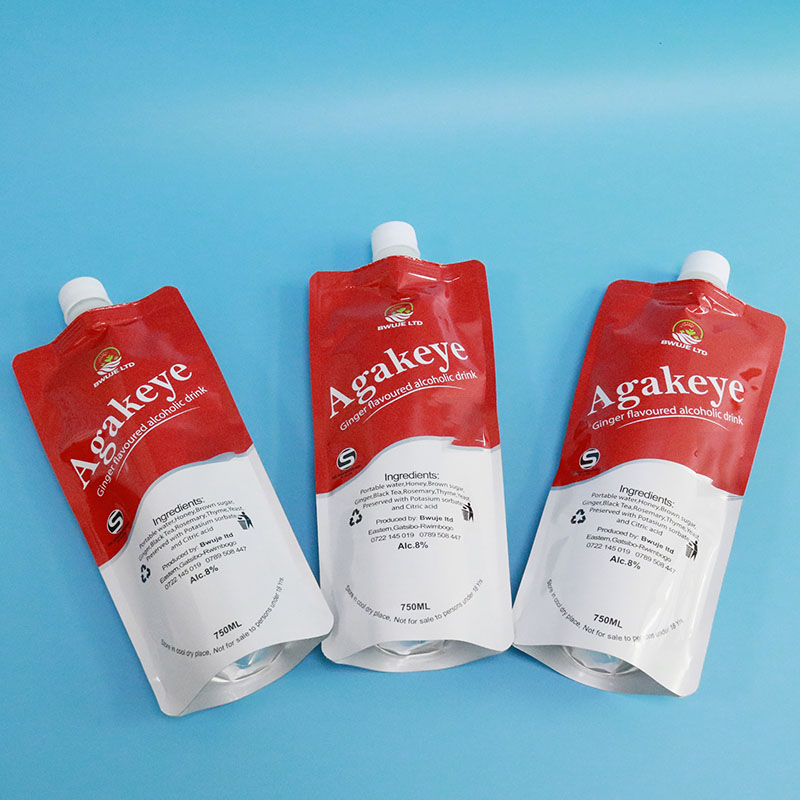
A good closure doesn't beg for attention. The lid drops and the latch catches with a soft, deliberate click, the kind you feel through your fingertips more than you hear. There's no second press, no wiggle to check if it really took. That confidence comes from the way the male and female components meet: a slight taper that guides them into alignment, then a rubber gasket that compresses just enough to create an airtight border without requiring brute force.
What separates a forgettable closure from one you never think about is the absence of micro-adjustments. The hinges are tuned so the top doesn't drift halfway when you let go; the catch point is wide enough to forgive a sloppy one-handed close. Even after thousands of cycles, the spring keeps its memory, and the latch doesn't develop that looseness that makes you press down twice out of habit.
The real test is the one you never notice. You toss it in a bag, it tumbles against keys and a water bottle, and later you open it to find everything exactly where it should be. No crumbs in the seam, no half-open gap. That's the point: a closure that stays shut is one you'll never have to think about, because the design already did.
Choosing a Pouch Size That Matches Your Daily Routine
Pouch size isn't just about how much you carry—it's about how your day actually flows. Start by listing what you reach for on a typical morning: phone, keys, card holder, lip balm, maybe a small notebook. If your essentials rarely change and you prefer hands-free ease, a compact pouch that slips into a crossbody bag or jacket pocket keeps things simple without extra bulk.
For days that stretch from work to a workout or a quick grocery run, a medium pouch gives you room for a charger, earbuds, a foldable tote, and a snack without turning into a second bag. The trick is to avoid sizing up “just in case.” Instead, watch what you actually transfer from one bag to another for a week—that pile is your real daily routine, and it rarely needs as much space as we think.
If your routine includes papers, a tablet, or a slim water bottle, a larger pouch with internal dividers can keep those flat items from sliding into chaos. But bigger only works if the pouch itself stays structured; otherwise it becomes a pit where small things disappear. Choose a size that matches the rhythm of your most ordinary day, not the exception, and you'll find yourself using it daily without adjusting what you carry.
Materials That Keep Water Tasting Like Water
The trick to water that tastes like water is choosing a bottle made from materials that don't add anything of their own. Glass sits at the top of that list—it's chemically inert, so nothing seeps into your drink whether it sits for an hour or a full day. High-quality stainless steel, especially food-grade 18/8 or 18/10, behaves much the same way once the inner surface is properly finished. A quick rinse is usually enough to keep it neutral.
Many plastics are the opposite: even when they're labeled BPA-free, the polymer base or added softeners can lend a faint chemical note, especially after repeated washes or sun exposure. If plastic works for your routine, look for polypropylene or Tritan rather than softer, more flexible bottles. And skip pine resin linings or uncoated aluminum—these are common culprits behind that odd aftertaste some people notice after a few sips.
Silicone seals and mouthpieces deserve a mention too. They rarely change the taste of water if they're cured properly, but cheap silicone can hold onto soap residue, which transfers back into every refill. A fast, unscented wash and occasional baking-soda soak go a long way toward keeping your bottle taste-free.
How to Clean a Spout Pouch Without Fancy Tools
Warm water and a drop of dish soap handle most spout pouch messes without any special gear. Fill the pouch halfway with warm water, add a small squirt of mild soap, seal it, and shake hard for thirty seconds. Then open the spout and rinse under running water until the suds run clear. If there is stuck-on pulp or sauce, toss in a teaspoon of uncooked rice or coarse salt before shaking—the grains knock loose residue from corners a sponge cannot reach.
For a sticky spout or cap, skip the sharp tools. A cotton swab or the tip of a folded paper towel can wipe around the opening and inside the cap threads. If the buildup is stubborn, soak the detached cap and spout in a bowl of warm soapy water for ten minutes, then rinse well. Let every part air dry fully before putting the pouch back together, or trapped moisture will leave a stale smell.
Can You Freeze Them? Heat Them? What Holds Up Over Time
Most sets claim to handle freezer and microwave duty, but real life is less forgiving than a spec sheet. Put them through a few cycles and the lid seal is usually the first casualty. Thin plastic warps after one reheated soup session, leaving gaps that leak sauce into your bag. Silicone-based lids hold up better, but even those can stretch if you yank them off while still cold.
Glass bases are the real workhorses. They survive freezer burn, tomato sauce stains, and reheating without picking up odors. The tradeoff is weight and breakage. If you drop one on tile, no amount of careful handling brings it back. For everyday lunches, a tempered glass container with a vented lid gives you the safest heat-and-freeze cycle, though the lids often need replacing long before the glass does.
Over months, what matters most is whether the closure stays snug. Snap-lock tabs get brittle in the freezer, and continuous microwave steam loosens their grip. Look for lids with a raised center or a one-way vent, because those tend to release pressure without letting the whole seal pop off. After a few dozen freeze-reheat rounds, you will know exactly which corners of your cabinet are earning their space.
FAQ
You'll want a wide enough opening for easy filling, a cap that stays attached so it doesn't get lost, and a spout that opens smoothly with one hand. The pouch itself should stand up without tipping when you set it down, and the material shouldn't feel flimsy or leave a plastic taste.
Look for a spout with a silicone valve or a twist cap with a good seal. Before packing, squeeze the pouch gently while the cap is closed to check for air escaping. Also, avoid overfilling—leave about an inch of headspace so the seal isn't under pressure when the pouch gets squeezed.
Yes, if you choose pouches made from food-grade, BPA-free materials and avoid ones with small removable parts that could be a choking hazard. A softer spout with a bite valve is easier for younger kids, while older children usually handle a standard twist cap fine. Always supervise toddlers during use.
It depends on the pouch's temperature rating. Many are designed for cold or room-temperature drinks only, and hot liquid can weaken the seams or release off-flavors. If you need hot drinks, look for a pouch explicitly labeled heat-safe up to at least 180°F, and avoid tightening the cap until the liquid cools slightly.
Rinse it right after use with warm soapy water, then use a small bottle brush to scrub the inside and the spout threads. Let it air dry upside down on a rack. For deeper cleaning, fill it halfway with warm water and a drop of dish soap, cap it, shake hard, and rinse thoroughly until the water runs clear.
Yes, most spout pouches can go in the freezer if you don't fill them past the maximum line and leave room for expansion. Lay them flat while freezing so the spout doesn't get blocked, and thaw in the fridge overnight. Avoid squeezing a frozen pouch to speed thawing—it can crack the material.
A multi-layer construction with an inner food-grade polyethylene liner and an outer nylon or polyester layer gives good puncture resistance. Thicker pouches feel sturdier but can be harder to squeeze. If you plan to reuse it often, check that the spout is welded firmly to the pouch rather than glued.
With regular hand washing, a quality pouch can last anywhere from 20 to 50 uses. Watch for signs like the spout not sealing tightly, the pouch developing crease leaks, or the inner layer peeling. If you notice any sour smell that won't wash out, it's time to swap it.
Conclusion
A spout pouch only earns a permanent spot in your bag when drinking from it feels effortless. The squeeze test tells you more than a spec sheet: a good pouch yields under light pressure and delivers a steady, controlled stream without collapsing in your hand. The closure matters just as much. Twist caps and flip tops that click into place, and stay shut after being tossed into a backpack, save you from the slow disaster of a leaking lunch bag. Size is not a one-size-fits-all decision either. If you refill at work, a 16-ounce pouch feels light enough to carry. If you hike or commute long hours, a 32-ounce version means fewer stops. The right size disappears into your routine instead of forcing you to plan around it.
Plastic and silicone linings can leave a faint chemical aftertaste, especially after a few washes. Look for food-grade, BPA-free materials that don't hold onto odors or flavors. Rinse with warm water and a drop of dish soap, shake, and rinse again—no bottle brush required. For stubborn residue, a teaspoon of baking soda and water left overnight works better than aggressive scrubbing. As for temperature, most spout pouches handle cold drinks and a short stint in the freezer, but not boiling water or direct heat. Check the manufacturer's guidance. Freezing with the pouch only two-thirds full prevents seam stress. Over time, the weak point is usually the spout gasket, not the body. If the cap still seals after dozens of freezes and thaws, you have found a pouch that actually lasts.
Contact Us
Contact Person: Cindy Lee
Email: [email protected]
Tel/WhatsApp: 8613622669331
Website: https://www.dgkody.com