

Baby Diaper Machine Guide: Cost-Effective Manufacturing Solutions for Modern Production
2026-02-26
In today's competitive world of baby product manufacturing, achieving cost-effective production without compromising quality is the ultimate goal. For businesses looking to streamline diaper manufacturing, the right machinery can make all the difference. This guide dives into innovative solutions that modern production demands, offering insights into how smart equipment choices can boost efficiency and reduce costs. At Womeng, we specialize in cutting-edge diaper machines designed to meet these challenges head-on, helping manufacturers stay ahead in a fast-paced market. Curious about how to transform your production line? Let's explore the key strategies and technologies that can set your operation apart.
Key Considerations for Buying a Cost-Effective Baby Diaper Machine
When you're in the market for a baby diaper machine, it's easy to get overwhelmed by flashy features or brand names. But if you're aiming for cost-effectiveness, the real game-changer is understanding production capacity and flexibility. A machine that can handle a range of diaper sizes or absorbencies might have a higher initial price tag, but it saves you from needing multiple machines down the line. Look for models that allow quick adjustments for different products—this adaptability reduces downtime and lets you respond to market trends without extra investment.
Energy efficiency is another major factor that impacts long-term costs. Modern machines often come with advanced motors and heating systems that cut electricity usage significantly. It's worth checking certifications or energy ratings; sometimes, a slightly more expensive machine pays for itself in a couple of years through lower utility bills. Don't forget to inquire about maintenance requirements too—machines with easy access to parts or self-diagnostic features can slash repair costs and keep your production smooth.
Lastly, consider the total cost of ownership beyond the purchase price. This includes things like supply chain reliability for spare parts, warranty coverage, and the manufacturer's reputation for support. A cheap machine from a less-known brand might seem like a steal initially, but if it breaks often and you can't get timely repairs, it ends up costing more in lost production. Ask for references or case studies to see how similar machines perform in real-world settings, ensuring you're investing in durability and consistent output.
Streamlining Production with Modern Automation Features
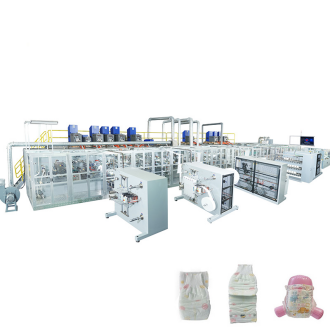
In today's fast-paced industrial landscape, streamlining production isn't just about cutting costs—it's about boosting agility and precision on the floor. Modern automation features, such as robotic process automation (RPA) and AI-driven analytics, empower manufacturers to seamlessly integrate tasks from assembly to quality control. By minimizing manual interventions, these tools reduce bottlenecks and enhance throughput, allowing businesses to respond swiftly to fluctuating market demands without compromising on consistency.
One standout aspect is how these advancements foster real-time adaptability, enabling production lines to self-adjust based on sensor data and predictive models. Unlike rigid, older systems, contemporary solutions like smart conveyor belts or collaborative robots (cobots) learn from operational patterns, optimizing resource allocation and reducing waste. This dynamic approach not only slashes downtime but also cultivates a safer, more efficient workplace where human workers can focus on complex, value-added tasks rather than repetitive chores.
Ultimately, embracing these innovations transforms production into a more resilient and customer-centric process. With features such as IoT connectivity and cloud-based monitoring, companies gain deeper visibility into their operations, facilitating proactive maintenance and faster decision-making. This shift isn't merely about automation for its own sake—it's about crafting a leaner, more responsive framework that drives long-term growth and innovation in an increasingly competitive global market.
Maximizing Efficiency Through Smart Material Usage
When we talk about smart material usage, we're diving into the art of selecting and applying materials not just based on cost or availability, but with a keen eye toward their lifecycle impact. This approach moves beyond traditional procurement, focusing on materials that enhance durability, reduce waste, and streamline production processes. For instance, using lightweight composites in manufacturing can cut down energy consumption during transportation and operations, while bio-based alternatives might offer renewable options that minimize environmental footprint. It's all about creating a ripple effect—where every choice, from raw sourcing to end-of-life recycling, contributes to smoother, faster, and more sustainable workflows. By integrating predictive analytics and real-time data, teams can anticipate material needs and optimize usage on the fly, preventing shortages and excess inventory that bog down efficiency.
In practice, maximizing efficiency through smart material usage often hinges on cross-disciplinary collaboration and innovative thinking. Imagine a scenario where engineers, designers, and supply chain managers come together to brainstorm solutions. They might explore modular designs that allow for easy repairs with interchangeable parts, reducing downtime and extending product lifecycles. Alternatively, leveraging advanced coatings or treatments can enhance material performance under harsh conditions, minimizing the need for frequent replacements. This hands-on, problem-solving mindset encourages a culture of continuous improvement, where materials are seen as dynamic assets rather than static components. It's this shift in perspective that can lead to breakthroughs in cost savings and operational agility, setting organizations apart in competitive markets.
Ultimately, the goal is to create systems where smart material usage becomes second nature, embedded into everyday decision-making. This might involve adopting circular economy principles, where materials are kept in use for as long as possible through reuse, remanufacturing, or recycling. By embracing such strategies, companies can not only boost their bottom line but also build resilience against supply chain disruptions and regulatory changes. Think of it as weaving efficiency into the fabric of operations—every material choice is an opportunity to innovate, reduce overhead, and deliver value to customers more effectively. As industries evolve, those who master this balanced approach will likely lead the way in sustainable growth and long-term success.
Customization Options to Meet Diverse Market Demands
In a world where consumer preferences shift as quickly as trends, offering customization isn't just a feature—it's a necessity for staying relevant. Whether you're targeting tech-savvy millennials or value-conscious families, the ability to tailor products and services allows brands to connect on a personal level, transforming ordinary purchases into unique experiences. This approach goes beyond superficial tweaks; it involves deep insights into customer behavior and a flexible system that can adapt to local tastes, seasonal demands, and even niche markets without compromising core quality.
What really sets customization apart is how it empowers users to co-create solutions that fit their exact needs. Picture a software platform where businesses can pick and choose modules based on their workflow, or a fashion brand that lets customers mix and match fabrics and designs. This not only boosts satisfaction but also reduces returns and waste, as people are more likely to cherish items they've had a hand in designing. By integrating real-time feedback loops, companies can refine offerings continuously, ensuring they evolve in step with emerging trends and cultural shifts.
Ultimately, embracing customization means moving from a one-size-fits-all model to a dynamic ecosystem that thrives on diversity. It's about building resilience by catering to varied demographics, from urban professionals seeking sleek, efficient tools to rural communities needing durable, practical solutions. When done right, this strategy fosters loyalty and word-of-mouth advocacy, turning customers into brand ambassadors who appreciate the thoughtful, adaptable approach. In essence, it's a competitive edge that blends innovation with empathy, proving that meeting diverse demands isn't just possible—it's the key to sustainable growth in today's fast-paced markets.
Maintenance and Downtime Reduction Strategies
In today's fast-paced industrial landscape, reducing maintenance-related downtime isn't just about fixing things when they break—it's about preempting issues before they escalate. By adopting predictive maintenance techniques, such as vibration analysis and thermal imaging, teams can spot anomalies early, schedule repairs during off-peak hours, and keep operations humming without unexpected halts. This proactive stance not only slashes downtime but also extends equipment lifespan, turning potential crises into manageable tasks.
Another effective tactic involves streamlining maintenance workflows through digital tools. Instead of relying on paper checklists or disjointed communication, implementing integrated platforms allows technicians to access real-time data, update statuses on the go, and collaborate seamlessly. This reduces the time spent on administrative tasks and ensures that repairs are completed faster, minimizing the window of inactivity. It’s a shift from reactive patching to a synchronized, efficient process that keeps productivity on track.
Beyond technology, fostering a culture of continuous improvement among staff can make a significant impact. Encouraging operators to report minor glitches and suggest tweaks creates a feedback loop that catches small problems before they snowball. Combined with regular training on new equipment and best practices, this approach empowers teams to handle maintenance swiftly and independently, cutting down on delays and boosting overall operational resilience.
Sustainability and Eco-Friendly Practices in Diaper Manufacturing
Today's diaper manufacturers are embracing innovative methods to reduce environmental footprints, moving beyond traditional models by integrating biodegradable materials like bamboo and cornstarch into their products. These efforts aim to address concerns over waste and resource consumption, with many brands now prioritizing closed-loop systems that reuse materials throughout the production cycle.
Advanced manufacturing techniques also play a crucial role, such as using water-based adhesives and energy-efficient machinery to cut down on emissions and chemical usage. Companies are increasingly adopting certifications that verify their commitment to sustainability, ensuring transparency for environmentally conscious consumers seeking reliable options in the market.
Beyond materials and production, the focus extends to packaging solutions—like minimalistic designs made from recycled cardboard—and community initiatives that support reforestation or waste reduction programs. This holistic approach not only lessens environmental impact but also fosters a culture of responsibility, encouraging parents to make eco-friendly choices without compromising on quality or convenience.
FAQ
Modern production integrates automated systems and high-speed machinery to reduce labor costs, while using energy-efficient designs and bulk material purchasing to cut operational expenses.
It offers practical strategies for selecting equipment that minimizes waste, improving machine uptime through preventive maintenance, and streamlining workflow for faster output without compromising quality.
Yes, it covers scalable options like modular machines that allow gradual expansion, and tips for sourcing affordable, reliable components to fit tighter budgets.
Focus on machines with flexibility for different diaper sizes and materials, user-friendly controls for quick changeovers, and robust safety features to meet regulatory standards efficiently.
Absolutely—it details techniques like precision cutting systems, adhesive application optimization, and recycling scrap materials to lower waste and material costs significantly.
It provides schedules for routine checks, troubleshooting common issues early, and training staff on proper machine handling to prevent costly breakdowns and extend equipment life.
Yes, it explores eco-friendly materials and processes that can reduce disposal fees and appeal to green-conscious consumers, balancing sustainability with profitability.
Many overlook the impact of inefficient layout; this guide advises on optimizing factory floor plans to reduce movement and bottlenecks, boosting overall productivity.
Conclusion
In today's competitive baby diaper market, selecting the right manufacturing equipment is crucial for success, as highlighted in the guide 'Baby Diaper Machine Guide: Cost-Effective Manufacturing Solutions for Modern Production.' Key considerations for purchasing such a machine include evaluating upfront costs against long-term efficiency gains, ensuring the machine can handle varying production scales without compromising quality. By integrating modern automation features, manufacturers can streamline operations significantly, reducing labor costs and human error while boosting output consistency and speed. This automation often pairs with smart material usage strategies, such as precise control over absorbent cores and outer layers, which minimize waste and maximize performance per unit. Together, these elements form a foundation for cost-effective production that adapts to evolving industry demands without hefty reinvestments.
Beyond initial setup, the guide emphasizes customization options to meet diverse market needs, allowing producers to offer tailored products like eco-friendly diapers or specialized sizes without major retooling. Maintenance and downtime reduction strategies play a vital role in sustaining these benefits; regular servicing and predictive analytics help prevent breakdowns, ensuring continuous operation and protecting investments. Moreover, sustainability and eco-friendly practices are increasingly important, with modern machines facilitating the use of biodegradable materials and energy-efficient processes that appeal to environmentally conscious consumers. By balancing all these facets—from automation and efficiency to customization and green initiatives—manufacturers can achieve a robust, forward-thinking approach that stands out in a crowded marketplace, turning cost-saving measures into long-term competitive advantages.
Contact Us
Contact Person: Jessie Lai
Email: [email protected]
Tel/WhatsApp: 86-188594442931
Website: https://www.womengmachines.com