

Aluminum Intake Manifold Manufacturing: Inside a Modern Factory
2026-08-07
Step inside a modern factory where raw aluminum is transformed into high-performance intake manifolds with striking precision. From automated casting to computer-controlled machining, every stage reveals a blend of cutting-edge technology and engineering finesse. At the heart of this process, DDR pushes the boundaries of what's possible, delivering components that redefine efficiency and durability. Curious how it all comes together? Let’s dive into the world of aluminum intake manifold manufacturing.
From Billet to Batch: Melting and Alloying
The journey begins with carefully selected metal billets, each chosen for its purity and structural integrity. These raw forms are fed into high-temperature furnaces where controlled melting unlocks their fundamental character. Precise heat management is paramount—too aggressive, and you risk burning essential elements; too gentle, and the melt remains sluggish and uneven. The art lies in coaxing the metal into a fluid state without compromising its intrinsic properties.
Alloying transforms a simple melt into a sophisticated material tailored for specific performance demands. Master craftsmen introduce measured quantities of companion elements—chromium for hardness, nickel for corrosion resistance, or manganese for strength—directly into the liquid bath. The timing and sequence of these additions are critical, often guarded as proprietary techniques. Stirring mechanisms ensure homogeneous distribution, while real-time spectrometry confirms that the chemistry meets exacting specifications before the batch is approved for the next stage.
Under Pressure: The Die Casting Cell
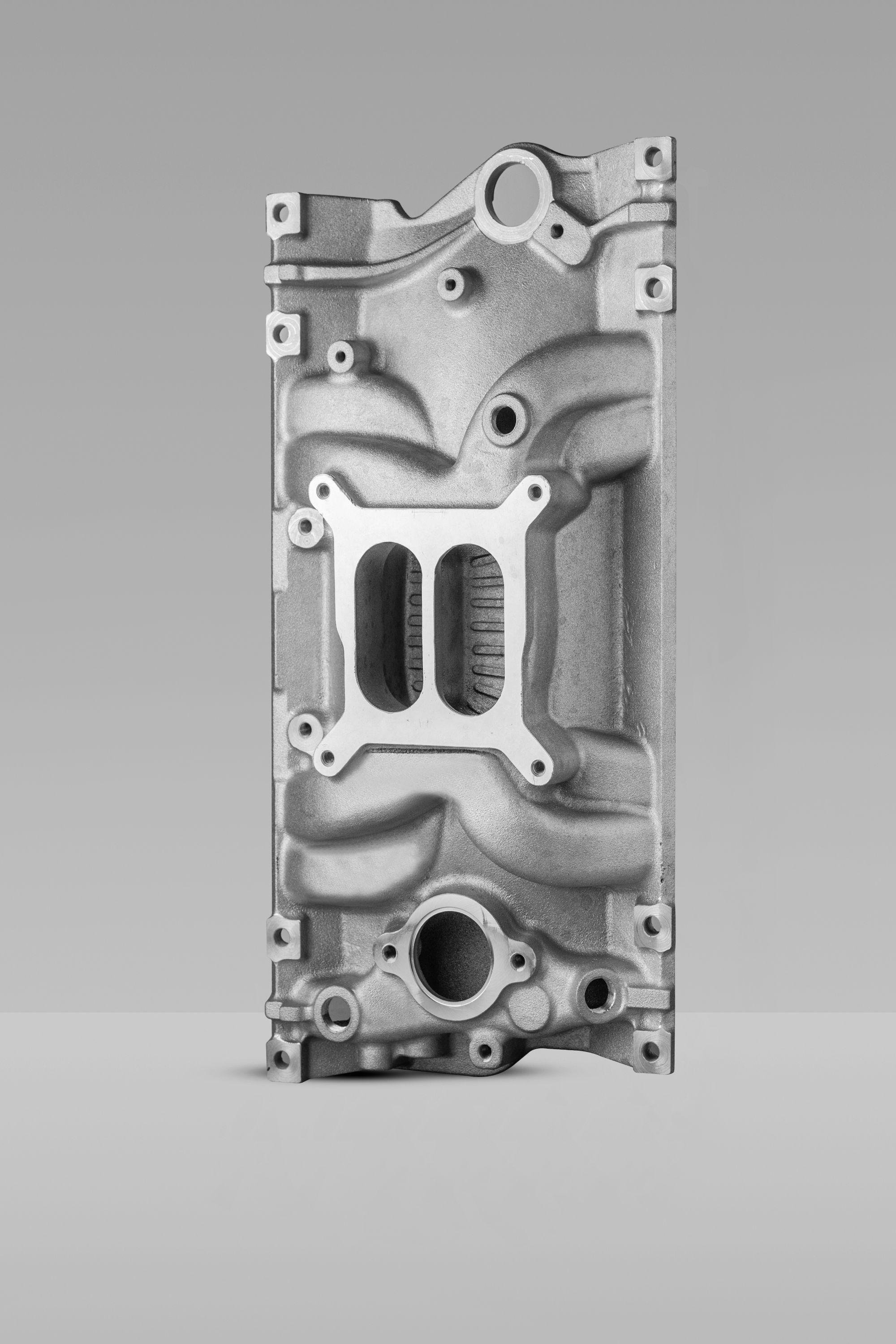
The die casting cell is a hive of orchestrated pressure, where molten metal meets precision engineering. At its heart, the interplay between injection speed and clamping force dictates every outcome—too little, and cavities form; too much, and flash escapes. It’s a dance of tolerance, measured in milliseconds and microns, where the machine’s hydraulics sing a constant, high-tension melody.
Beyond the brute force, temperature becomes a silent architect. The die itself cycles through extremes, swollen by heat then cooled just enough to release its captured shape. Operators learn to read the subtle signs—a change in tone, a slight shudder—adjusting spray patterns and dwell times like a barista perfecting an espresso shot, only the stakes are structural integrity and a flawless skin.
But pressure here isn’t just physical. It’s the economic squeeze of cycle times, the weight of scrap rates, and the relentless push for lighter, stronger parts. Every second shaved from the process echoes through the supply chain, and the hum of the cell becomes a barometer of profitability. In this world, mastery means keeping your cool when every gauge is climbing.
Machining Marvels: CNC Precision at Work
In modern manufacturing, precision isn't just a goal—it's the baseline. CNC machining turns digital blueprints into physical parts with an accuracy that routinely stays within microns. Every spindle rotation, every tool path adjustment is calculated to eliminate variation, making sure the first part and the thousandth are virtually identical.
What sets today's CNC marvels apart is their ability to handle geometries that would have been impossible a decade ago. Five-axis machines dance around a workpiece, reaching undercuts and complex curves without repositioning. Toolpaths are optimized not just for speed, but for surface finish, using trochoidal milling to maintain constant tool engagement and prevent chatter. The result is parts that emerge with mirror-like surfaces straight off the machine, ready for critical applications.
This level of precision finds its home in fields where failure isn't an option. Medical implants, aerospace turbine blades, and optical housings all rely on CNC machining to hit tolerances that ensure safety and performance. Every piece is measured against the digital twin, with in-process probing catching deviations in real time. It's not hyperbole to say that lives depend on these machines doing exactly what they're programmed to do, every single time.
Beyond the Surface: Leak Checks and Dimensional Audits
Peeling back the layers of a finished product often tells a story no surface scan can capture. Leak checks aren't just about spotting drips—they're a quiet interrogation of seal integrity, weld consistency, and material behavior under stress. When we pressurize a chamber or trace helium through minuscule pathways, we're really asking: did the fusion hold, does the gasket seat evenly, and will this containment last beyond the lab? These tests translate microscopic flaws into actionable data, forming a baseline for reliability that no visual inspection can match.
Dimensional audits take that scrutiny further by mapping reality against design intent. It's one thing to have a CAD model with perfect tolerances; it's another to hold a physical part and measure how thermal expansion, tool wear, or subtle shifts in production rhythm have altered its geometry. Using coordinate measuring machines and laser scanners, we capture deviations invisible to the naked eye—wall thicknesses varying by microns, an angle off by a fraction of a degree. These audits aren't passive recordings; they feed back into the build process, tightening parameters and recalibrating expectations before a batch goes sideways.
Together, these evaluations forge a feedback loop that separates one-off success from serial confidence. A part that passes a leak test but drifts dimensionally is a ticking risk; a dimensionally perfect assembly that fails under pressure misses the point entirely. Marrying the two disciplines means we don't just verify—we understand the conversation between form and function. This dual focus turns quality control from a checkpoint into a continuous dialogue, ensuring that what lies beneath the surface holds up under every realistic demand.
Hands-Free Assembly: How Robots Build Manifolds
On modern assembly lines, robots piece together intricate manifolds without a single human hand touching the components. Vision systems and force-torque sensors let these machines identify parts, align them within micron tolerances, and snap or fasten them into place—all while adapting to slight variations in part geometry or position. It’s a far cry from traditional automation, where jigs and fixtures dictated every motion; today’s articulate arms make decisions in real time, eliminating the need for manual intervention.
A typical cycle begins with a 3D camera scanning an incoming tray of valves, sensors, and fittings. The robot’s software maps each item, plans a collision-free path, and selects the appropriate gripper or tool from a quick-change magazine. A pneumatic manifold that once required a technician to thread fittings and torque bolts is now assembled entirely by a cobot that can feel when a seal is seated correctly—adjusting pressure and angle on the fly. The result is a sealed, tested unit emerging from the cell with no fingerprints, no cross-threading, and cycle times that stay consistent hour after hour.
What makes hands-free assembly truly transformative is not just speed but the ability to handle low-volume, high-mix production without reprogramming. The same cell that built a four-station manifold in the morning can switch to a twelve-station variant by lunch, pulling new part data from a digital twin instead of relying on an engineer to write fresh code. This agility changes the economics of manifold manufacturing, making it practical to automate even custom or short-run orders that were previously left to manual labor.
Finishing Touches: Coating, Packing, and Beyond
The final stage is where raw metal transforms into a product that's ready for the real world. Coating isn't just about color—it's a defense system. A precise layer of powder coating or electroplating seals the surface against moisture, abrasion, and UV damage. Each piece is inspected under calibrated lights to catch even micron-level inconsistencies, because a flawless finish starts long before the spray gun touches the metal.
Packing, often overlooked, is an art in itself. Custom foam inserts, anti-static films, and vapor-inhibiting wraps are selected not just for protection, but for longevity during transit. Every box is mapped against the product's contours; nothing rattles, nothing shifts. For overseas shipments, humidity indicators are slipped between layers, silent guardians that ensure the coating's integrity remains intact from factory to final destination.
Beyond the expected, there's a final, deliberate pause. A last human glance scans for fingerprints, alignment, and the quiet feel of a well-made thing. Sometimes a clean, lint-free cloth passes over the surface, removing dust that no machine noticed. It's that extra, unspoken step that turns a coated and packed object into something that feels finished—not just manufactured.
FAQ
The process typically starts with a detailed 3D model, which guides the creation of sand molds using a pattern. Molten aluminum is poured into these molds and left to solidify. After cooling, the casting is removed, excess material is trimmed, and it undergoes machining for precise surfaces, bolt holes, and runner finishing. Finally, it's cleaned, inspected, and sometimes anodized or coated before assembly.
Precision is achieved through tightly controlled sand mold making, often automated with high-speed core shooters that pack sand evenly. Temperature of the molten aluminum is carefully monitored, and casting simulations help predict flow and solidification. After casting, CNC machining centers finish critical areas to micron-level tolerances, ensuring consistent fit and airflow.
Quality control starts with material certification. During casting, random samples undergo x-ray or CT scanning to check for internal voids. Leak testing is performed on every unit using pressurized air or helium. Dimensional checks are done with coordinate measuring machines (CMM), and surface finish is visually inspected. Finally, flow bench testing verifies that the manifold meets performance specifications.
Aluminum offers an excellent balance of lightness, strength, and thermal conductivity. It dissipates heat quickly, helping to keep intake air cooler, which can improve combustion efficiency. It's also highly recyclable and can be cast into complex shapes with thin walls, reducing weight without sacrificing durability compared to plastic or iron alternatives.
Automation reduces variability and boosts output. Robots handle everything from mold assembly to pouring and extraction, minimizing human error. Automated guided vehicles move castings between stations, and machine tending robots keep CNC machines running unattended overnight. Data analytics track production in real time, flagging anomalies instantly to prevent defects before they reach the next stage.
Beyond leak and dimensional tests, manifolds may undergo thermal cycling to simulate engine heat soak, vibration testing to replicate road conditions, and pressure pulsation tests to confirm structural integrity under boost. Some manufacturers also perform dyno testing on sample parts to validate that horsepower and torque targets are met, ensuring the part will survive years of real-world use.
Conclusion
The process begins with raw aluminum billets being transformed into precisely alloyed batches. In the melting and alloying stage, scrap and primary aluminum are carefully blended with elements like silicon and magnesium to enhance strength and thermal characteristics. Once the molten metal meets strict composition targets, it moves to the die casting cell, where it is injected under high pressure into reusable steel molds. This rapid solidification forms the manifold's basic shape with remarkable consistency, capturing intricate internal passages in a single shot. The marriage of metallurgy and high-speed casting sets the foundation for a component that must withstand intense thermal cycling and vibration.
After casting, the rough manifolds progress to CNC machining centers, where multi-axis tools carve out mounting surfaces, sensor ports, and critical sealing faces with micron-level accuracy. Even the smallest deviation could lead to leaks or misfit, so every unit endures rigorous leak checks and dimensional audits using automated vision systems and pressure-decay tests. Only then do the parts move to a hands-free assembly line, where robots install internal flaps, actuators, and fasteners with unerring repetition. Finally, a protective coating is applied to resist corrosion, and each manifold is packed with precision for its journey to the engine assembly plant. This seamless fusion of automation and quality control ensures that modern aluminum intake manifolds deliver optimal airflow and durability.
Contact Us
Contact Person: Shelly
Email: [email protected]
Tel/WhatsApp: 8613967667688
Website: https://www.yongyu.com/